Blog
AdvocacyCustomer LoyaltyRefer-a-Friend Examples
How to Stoke the Referral Impulse
Chris Duskin

Products
Enterprise platform
Platform features
Acquisition programs
Retention programs
Learn
Resources
Developers
Documentation
SDKs & GitHub
Blog
Chris Duskin
In this age of constant connectedness, we've all seen people buried in their phones texting or composing that next Tweet. It almost seems like people need to share with each other as much as they need food and water. While that sounds like a bad joke, it's actually true. According to psychologists, every time we send a message or get a like on one of our posts, it triggers a dopamine release in our brain the same way eating or drinking does. Online sharing has become a powerful biological impulse. Your referral program can satisfy that impulse just as well as social media. A referral is part of the online conversation between friends, like a wall post or an @ mention. The only difference is that it is a recommendation of your product. It's not just about getting new customers. It's about social influence too. If your referral program fulfills your customers' need to share, you have a unique chance to shape the way people talk about your brand. Let's break down the three referral steps you need customers to complete and see how you can nurture the impulses that power each one.
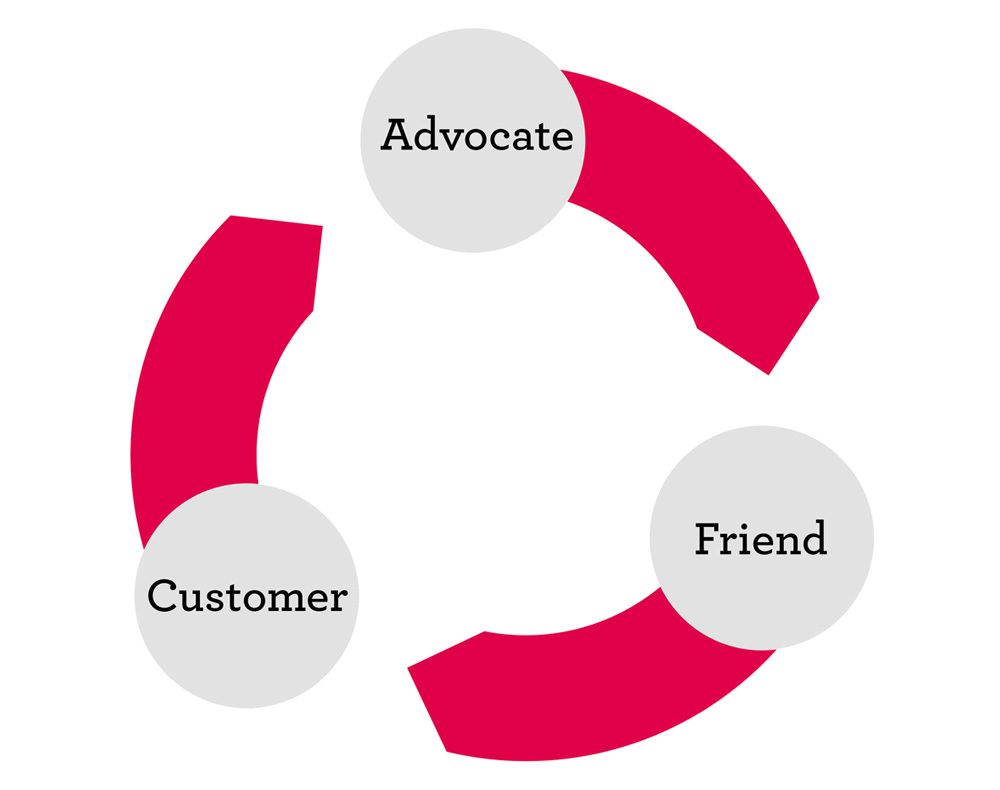
To get the referrals flowing, it's not enough to just put your program on your site. You need to actively seek out the customers who are most likely to refer, hit them with special messaging around your program, and show them that sharing a referral isn't just about getting a reward or helping your company—it's also a way to deepen their connections with their friends. This is especially important when your referral program is first getting started. Your customers will share, need to share - you just have to make it possible. It's a simple, three-step process:
2.** Cross-section with your biggest sharers.** Next, find the overlap between those avid customers and the ones who are most active on social media, since that suggests they get joy out of sharing with friends. Your referral program software can pull in social media data for all your customers, so you can see which ones are most active online and have the widest reach.
 ****
These steps let you pinpoint your most likely advocates and position referral as an irresistible way to satisfy their sharing impulse.
Texts and Facebook likes trigger powerful enough emotions to become addictive because they're socially validating. They confirm that your friends like you and want to interact with you. Everyone feels a bit giddy when their phone vibrates—it's a reminder that someone out there cares about them. You can evoke those same feelings with your referral messages. When someone looks at a referral message from one of your advocates, it should feel like a personal message that came from a friend so that they're excited to respond. It shouldn't look like a bland piece of marketing copy. Here are three ways to build referral messages that turn buying your product into an itch recipients need to scratch:
Following these tactics makes your referral messages as exciting as any message from a friend, which makes that excitement easy to act on.
 Your referred customers are more than 5x as likely to share their own referrals as the average customer. That's why the referral flywheel effect is so powerful. It creates a positive feedback loop in which advocates are constantly referring new customers, who become advocates themselves, which leads to even more new customers. In order to get the full benefits of that flywheel, you need to go out of your way to further heighten the referral impulse in those newly-referred customers. The key is to reinforce what a great friend-to-friend experience they had when they were first referred, and show them how sharing a referral of their own is the best way to recreate that experience. Consider these three ideas:
The referral impulse is already strong in your referred customers, and these tactics ensure you capitalize on the opportunity.
Referral marketing is the only marketing tactic that can so perfectly give today's customers something they badly want—the ability to share awesome stuff with their friends. But that doesn't just happen on its own. You need to be deliberate about how you help them scratch that itch at each stage of the referral journey. But if you can do that, your customers won't be able to stop themselves from referring any more than they can stop themselves from checking Facebook every five minutes.
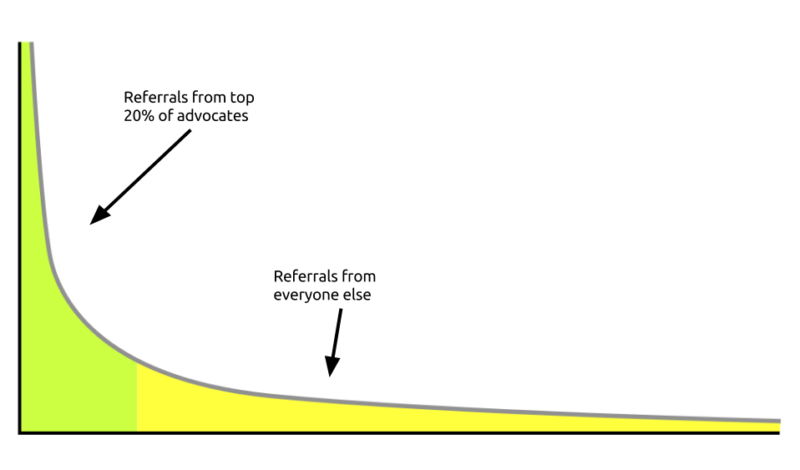
Some brands treat their referral program like a Wild West bounty—as if they can just put up a sign reading, “Wanted: New Customers,” offer a reward, and let someone else bring…
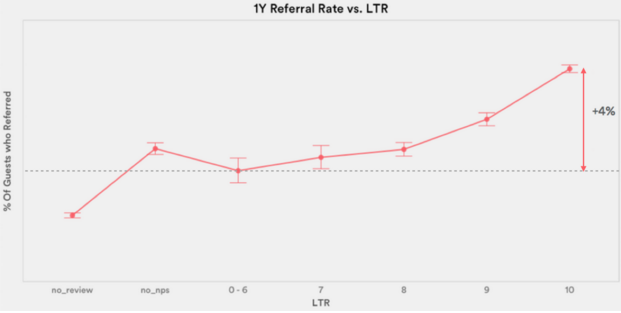
Successful companies are already using NPS to sniff out the customers most likely to refer friends. Here's how they're doing it, and how you can go a step further and use NPS data to make your referral program more effective.
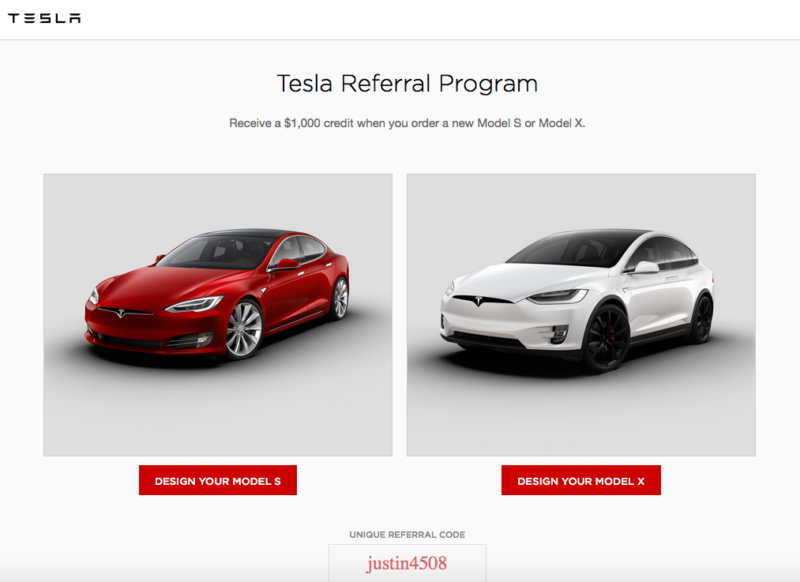
In a lot of ways, it seems crazy that Tesla can even compete in the auto market without the billion dollar ad budgets, dealership networks, and manufacturing scale of its…