Blog
AdvocacyAudience TargetingCustomer AcquisitionRefer-a-Friend ExamplesReferral Marketing ConceptsReferral Program Ideas
14 A/B Marketing Tests to Optimize The Referral Funnel
Chris Duskin


Products
Enterprise platform
Platform features
Acquisition programs
Retention programs
Learn
Resources
Developers
Documentation
SDKs & GitHub
Blog
Chris Duskin
Running an A/B test is deceptively simple. You just send half your users to Variation A and half to Variation B. The one that drives more conversions wins.
But it's easy for A/B testing to go off the rails. Without knowing what you want customers to do, why they're not currently doing it, and options to improve the outcome in the future - your A/B testing isn't performing at capacity.
This is particularly true in referral marketing, where there are a lot of moving pieces and multiple consumers involved. Optimizing your referral process through A/B testing means breaking down each step of the referral funnel and running specific tests on each component.
We'll walk you through how to get the best results from an A/B test and how to choose the right metrics for testing. We also have 14 examples to guide you as you set up an effective referral-funnel A/B test.
A/B testing, sometimes called split testing, is a method for comparing two variants of the same thing to see which one users prefer. To do an A/B test, you simply create two versions of the same asset and expose them to two separate test groups. You then track the number of conversions in each group to determine which version of the asset was more effective.
Since its invention by Google in 2000, A/B testing has become an important part of smart website design. Digital marketers use A/B testing to create more effective conversion funnels by optimizing their emails, calls to action, and website designs.
A/B testing is a simple way to drive more conversions while making only small changes to your program. You don't have to re-invent the wheel with each new A/B test; you just need to focus on one variable at a time.
Referral marketers can use A/B tests to learn which CTAs perform better, write more persuasive emails to entice friends to visit their site, and build more persuasive sales pages to convert those potential customers.
To use A/B tests to optimize your referral funnel, remember these guidelines:
Now that you understand how to get the most from an A/B, it's time to decide what to test.
When deciding which elements are suitable for A/B testing, consider the refer-a-friend funnel below.
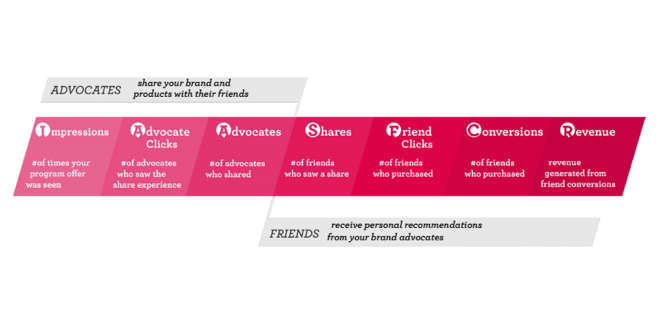
These are the steps that customers need to complete along the referral journey. Within this journey, there are four crucial metrics. Each metric is measurable and directly related to your referral program's success, which makes them the perfect numbers to A/B test for:
By getting granular and breaking refer-a-friend down into those core numbers, you can stay focused and quickly test even the smallest variations to improve them. That enables you to learn quickly, iterate often, and keep the program constantly improving.
Now let's look at some of the specific A/B tests you could run to optimize the referral journey using real-world examples.
These tests compare variables that will help entice potential product advocates to check out your referral program.
1. Referral Call-to-Action Location on Home Page
[caption id="attachment_12766" align="alignnone" width="790"]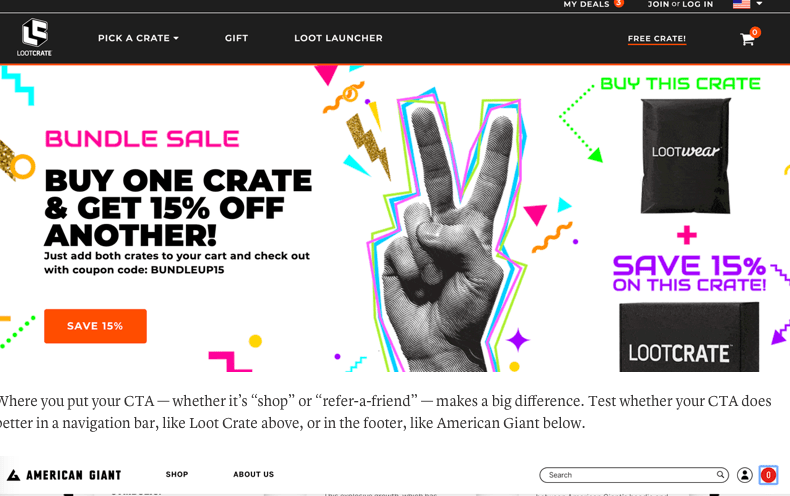 Referral Call-to-Action Location on Home Page[/caption]
Where you put your CTA - whether it's "shop" or "refer-a-friend" - makes a big difference. Test whether your CTA does better in a navigation bar, like Loot Crate above, or in the footer, like American Giant below.
2. Referral CTA Button Color
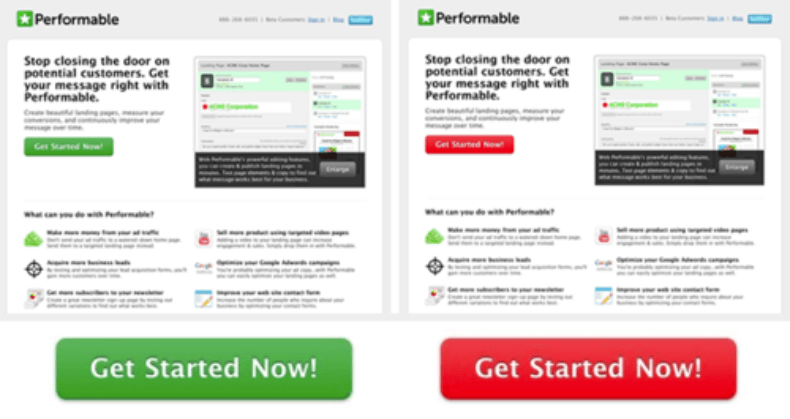
Image source
Test out different colors on your referral CTA. Evidence suggests that this simple change can have big repercussions. HubSpot was able to drive 21% more conversions for one of their clients by changing their free trial CTA button from green to red.
3. Email Subject Lines
Test different subject lines for emails touting your referral program. Many Extole users have experimented with subject line variations that don't mention their brand by name versus ones that do. Also, try some more substantial tests with subject lines that have entirely different messages.
4. Offline Referral Promotion

Physical ads tap into everyday advocacy, which is a crucial referral marketing concept. A/B test physical referral ads by placing your ads in different areas and seeing which ones generate more traffic. Direct customers in different locations to a referral landing page with a different URL so that you can discern which ad reeled them in.
When a customer chooses to take part in your referral program, they become a product advocate. You can use A/B testing to fine-tune variations that increase the probability of conversion.
5. Reward Size and Type
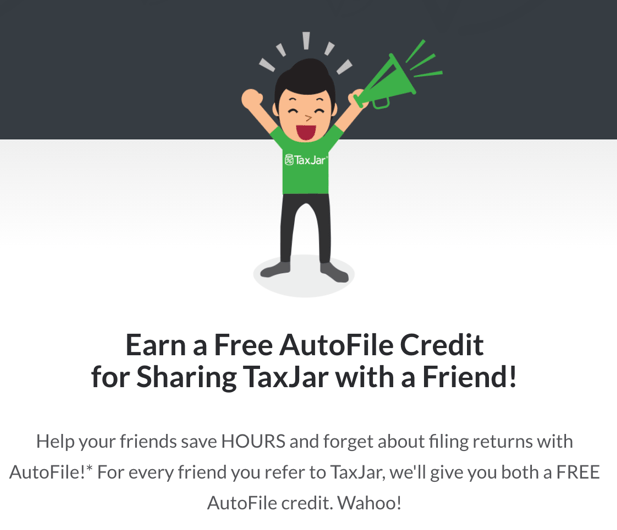
Test out different sizes and types of rewards to see which incentivize more people to become advocates.
TaxJar's referral program offers free filing credits to both the referrer and the referee. They could test to see if this is more effective than offering a cash reward.
6. Landing Page Copy
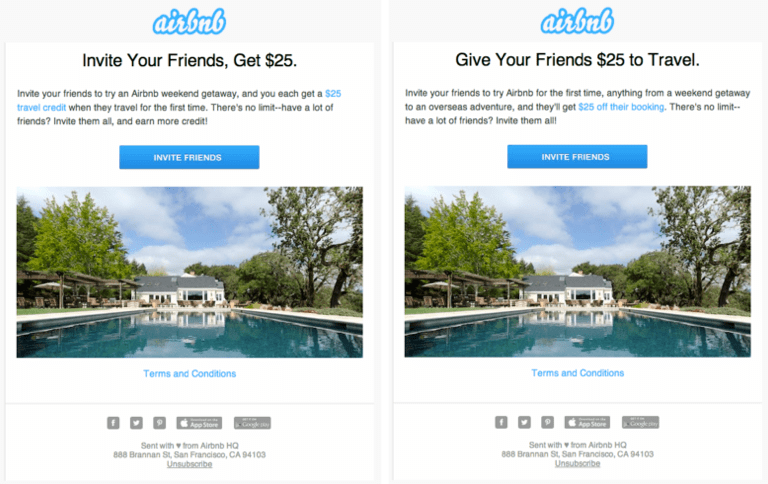
Image source
The way you frame a referral can have a huge impact on how many of your targets become advocates. Try out different kinds of copy on your referral landing page.
Airbnb ran a test on the copy in emails they sent their customers promoting referrals. They ran a double-sided program in which both advocates and their friends receive $25 in credit. For the test, half their customers received an email emphasizing their reward, and the other half got one emphasizing the friend's reward. They found that the more altruistic option won out.
Written by veteran referral marketers, this guide will help you optimize your referral marketing program and supercharge growth.
7. Images on Referral Landing Page
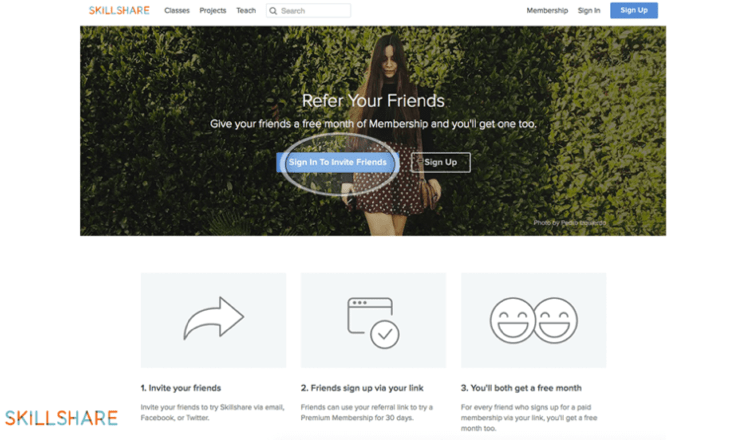
Try different images on your referral program's landing page.
Skillshare opted to make the background a picture of a woman. Alternatively, they could test an image that more concretely connects the referral program to Skillshare's value proposition, such as one of somebody taking a Skillshare class.
8. The Number of Ways to Share
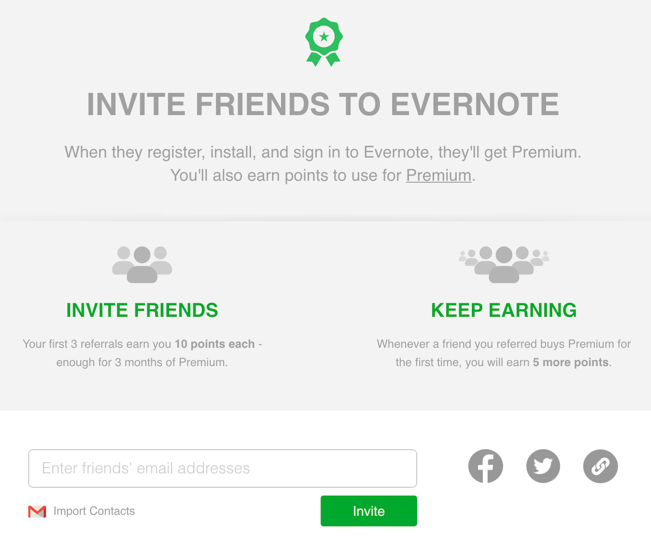
Between email, SMS, and social media, you can offer advocates many different ways to share a referral. A/B test offering different ways to share to see which one gets the most shares out of your advocates.
Kamo Asatryan, who's grown several mobile apps through referrals, says that most apps offer users too many options. That overwhelms users and takes up valuable real estate on the screen. He's found that on mobile, no more than two channels typically drive 80% of invites. Once you've figured those out, pour all your efforts into making them convert as much as possible.
Referrals from a friend can be very persuasive, but not every potential customer will click through to see your valuable offer. Use A/B testing to learn what entices people to click through.
9. Images in the Referral Share
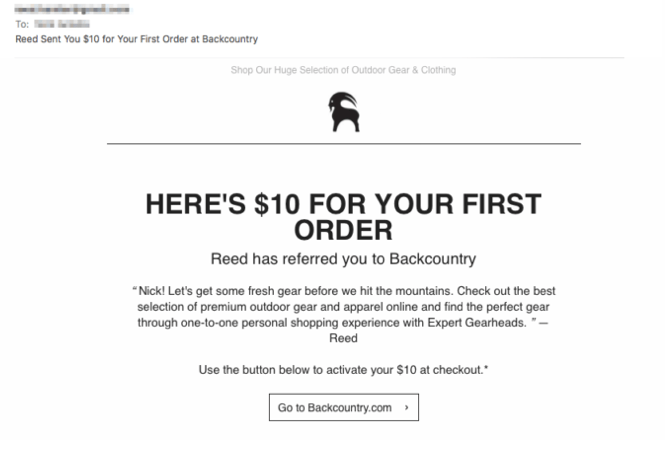
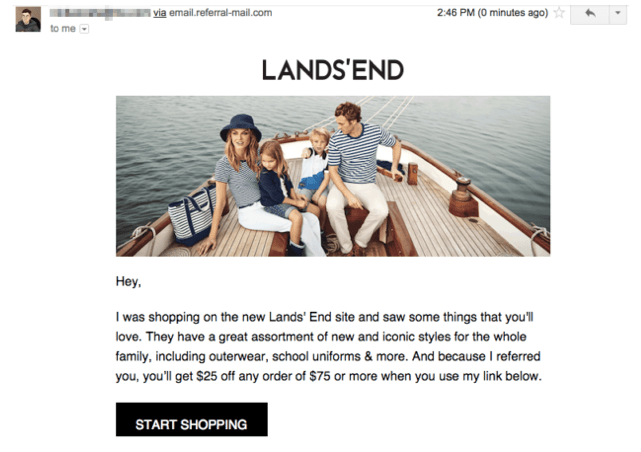
Consider the effectiveness of images. Some companies, like Backcountry, have opted for a simple referral message that uses mostly text. Others, like Lands' End, lead off with an image. Test which one resonates most with your brand. This could also apply to other sharing channels like SMS and social media.
10. Amount of Information in the Referral Share Message
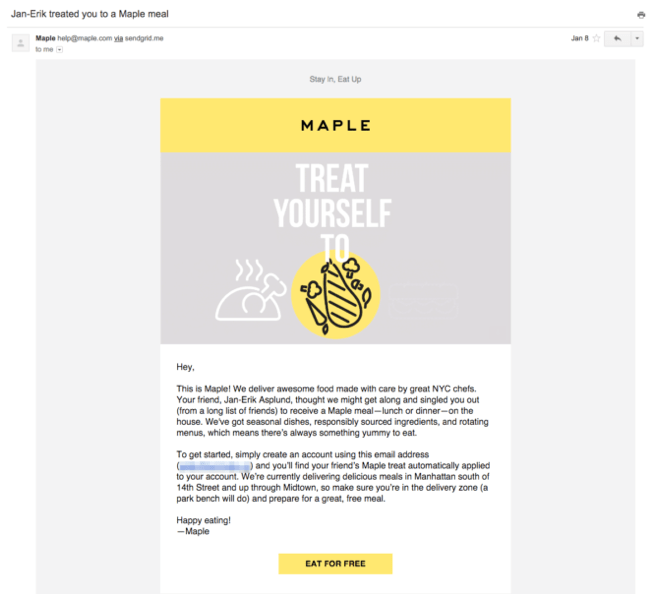
Similarly, you'll also want to test how much you say about your product in your referral share. Check out the referral email above from NYC food delivery service Maple. It talks about their rotating menus and convenience. They could test an email that provides more information about where they source their ingredients from since that is one of their key differentiators from the competition.
It's not enough for referrals to click through to your website. For the referral to be a success, they need to both accept the referral and purchase a product. A/B testing helps you determine the best way to guide prospective customers through the conversion funnel.
11. Autocomplete
Test what kind of conversion lift you get from autofilling any forms with as much of the friend's information as you have versus having them fill the entire thing out.
12. Guide New Customers Toward Specific Products
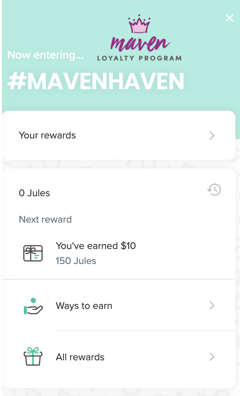
Test adding steps to the referral process that helps customers find specific products they'll like. Some brands immediately guide incoming customers towards curated product recommendations instead of letting them loose without any direction.
Makeup provider Julep offers a Maven program through which participants can get a customized box of beauty products each month. When customers accept a referral to the program, they're asked to fill out a quiz to help them find the best products for their beauty box in order to get the reward. To optimize their program, Julep could try only offering the quiz to half of the referees. The resulting effect on conversion rates would tell them whether referees see the quiz as a value-add or as an extra hoop to jump through.
13. Referral Code
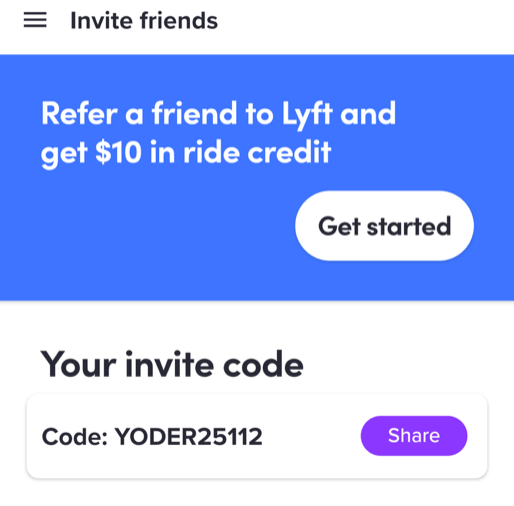
See what happens if you make half of your referees put in a referral code on your website, and let the other half automatically access their reward by clicking a link. It's possible that a referral code using the advocate's name, like Lyft does, would drive more conversions by reminding the new customer that the referral is a favor from a friend.
14. Something Only You Can Provide
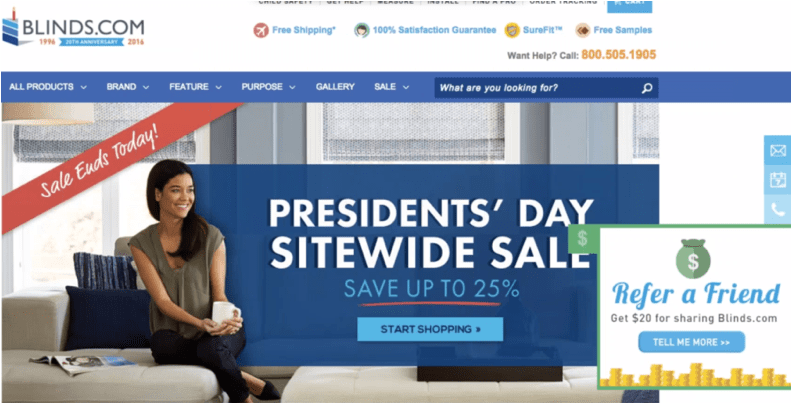
Many of our clients have won big with A/B tests that don't fit neatly into a category applicable to every business but instead tap into a unique offering or service that they offer.
A big part of the Blinds.com experience is working with one of their design consultants to find the perfect shades for any room. They A/B tested a version of the referral program in which advocates referred their friends to the specific consultant they worked with. The new program outpaced the old one by a mile, posting an 82% conversion rate.
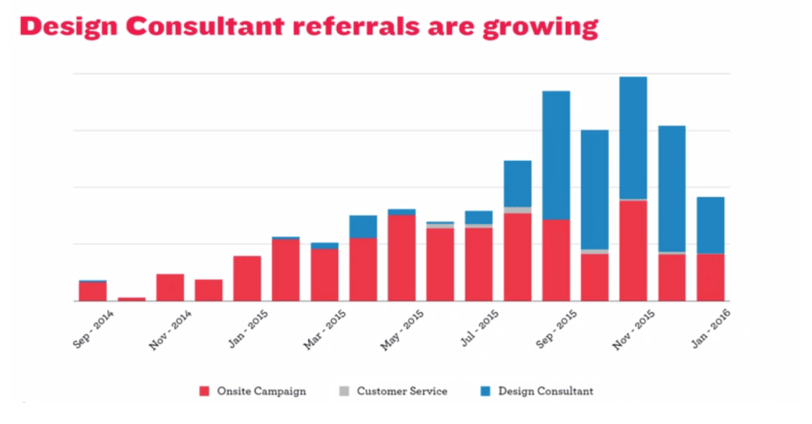
Look for ways you can incorporate your unique brand and offerings into your referral marketing program, and then test them against a more conventional alternative.
At the outset, referral marketing might seem intimidating because so much needs to happen for each referral to be successful. You need two people to complete multiple steps, and there are plenty of opportunities for them to give up.
By breaking down the process into individual, measurable parts, you can optimize each one. Test everything. Keep testing and iterating to ensure that your referral program is continuously improving and converting at a higher rate.

Brands that understand the underlying dynamics of WOM are creating armies of advocates and mountains of revenue in the process.

Utilize these key takeaways in your referral emails to create a program that’s both desirable and easy for customers to participate in.
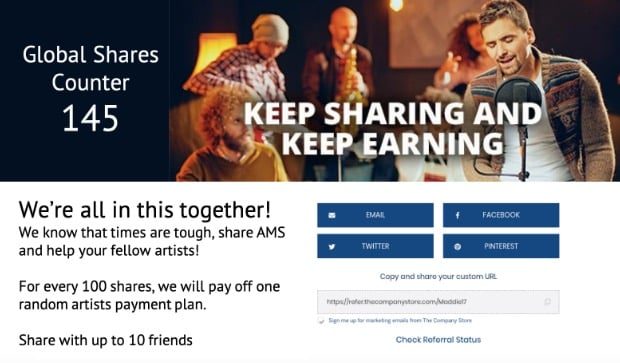
We are all trying to understand the impact of the Covid-19 crisis on our businesses and on the consumers who power them. You've likely been spending significant time looking at…