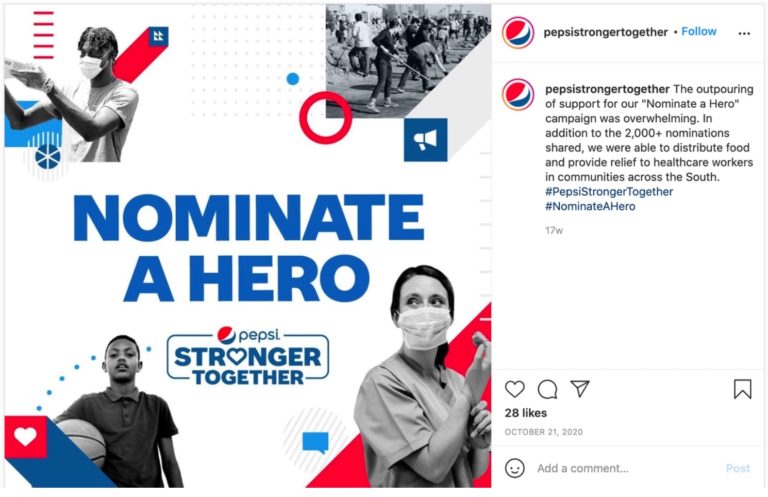
6 Examples of Nominate-A-Friend Programs That Connected with Customers
Everyone likes getting gifts, but sometimes giving them can be just as rewarding. That’s what nominate-a-friend programs do: put your customers in the position to

Everyone likes getting gifts, but sometimes giving them can be just as rewarding. That’s what nominate-a-friend programs do: put your customers in the position to
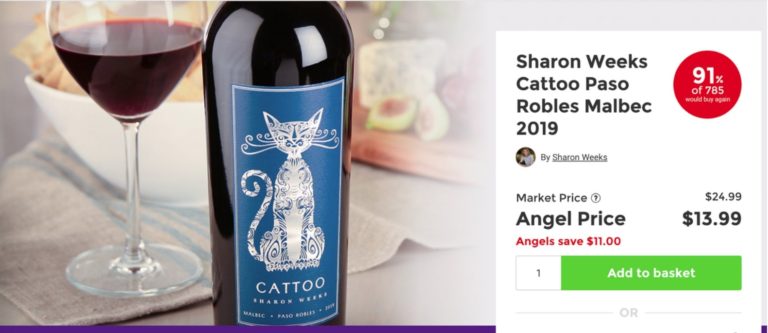
2020 was an excellent year for drinking at home. With restaurants and bars shut down, wine direct sales shot up by $222 million last year.
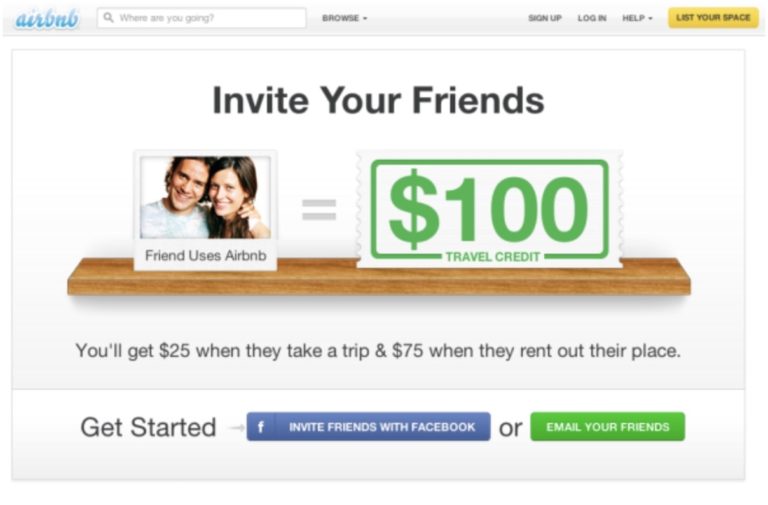
The Airbnb story has become a well-documented piece of startup lore over the years. Many people already know about how the vacation-rental unicorn began in

When it comes to the services and products that matter most, consumers often look to the people they trust for recommendations: their friends and family.
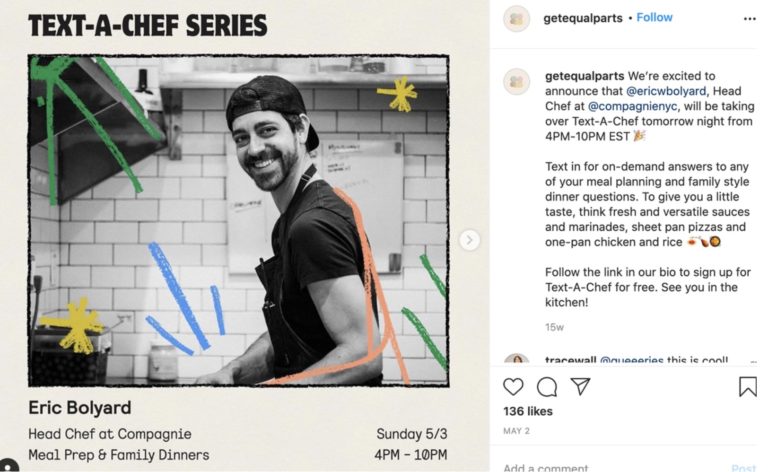
A decade ago, internet ads were cheap, and direct to consumer companies grew like weeds. Now the advertising landscape has become significantly more expensive, and
In order to keep future consumers engaged, you need to maintain brand flexibility and change initiatives when new online consumer habits arise.

If you want to build lasting relationships with consumers, you need to find new and inventive ways to entice them. Using different behavioral economics principles can help you do that.

D2C marketers can still learn a lot from HelloFresh’s rise to glory: the importance of tracking and analytics and the power of influencers both big and small.

How to get the best results from an A/B test and how to choose the right metrics for testing.