
If you want to build lasting relationships with consumers, you need to find new and inventive ways to entice them. Using different behavioral economics principles can help you do that.

D2C marketers can still learn a lot from HelloFresh’s rise to glory: the importance of tracking and analytics and the power of influencers both big and small.

How to get the best results from an A/B test and how to choose the right metrics for testing.
Brands that understand the underlying dynamics of WOM are creating armies of advocates and mountains of revenue in the process.

Utilize these key takeaways in your referral emails to create a program that’s both desirable and easy for customers to participate in.
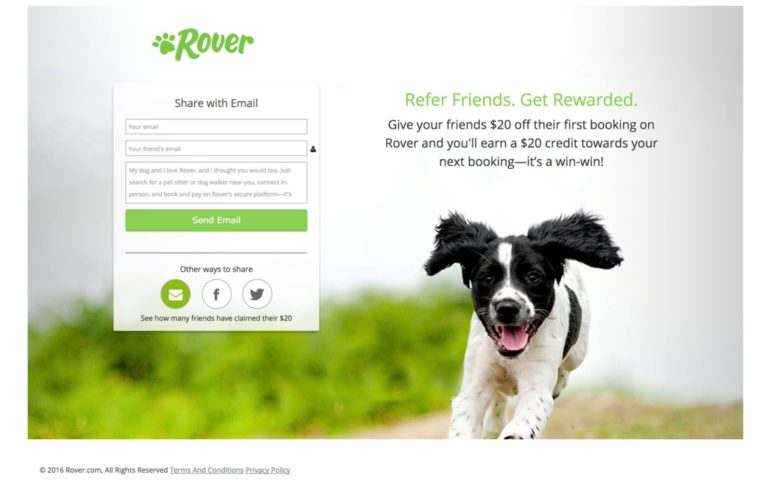
Don’t blow up your ecommerce referral program just yet. Experiment with different approaches to find the one that gets you more customer engagement. Depending on what matters to your customers—recognition or deep discounts—adjust your program accordingly.
This post focuses on customers in the last three stages of the customer journey: purchase, retention, and advocacy. These are customers who’ve purchased something, experienced value, and are the most likely to share referral links within their networks.