
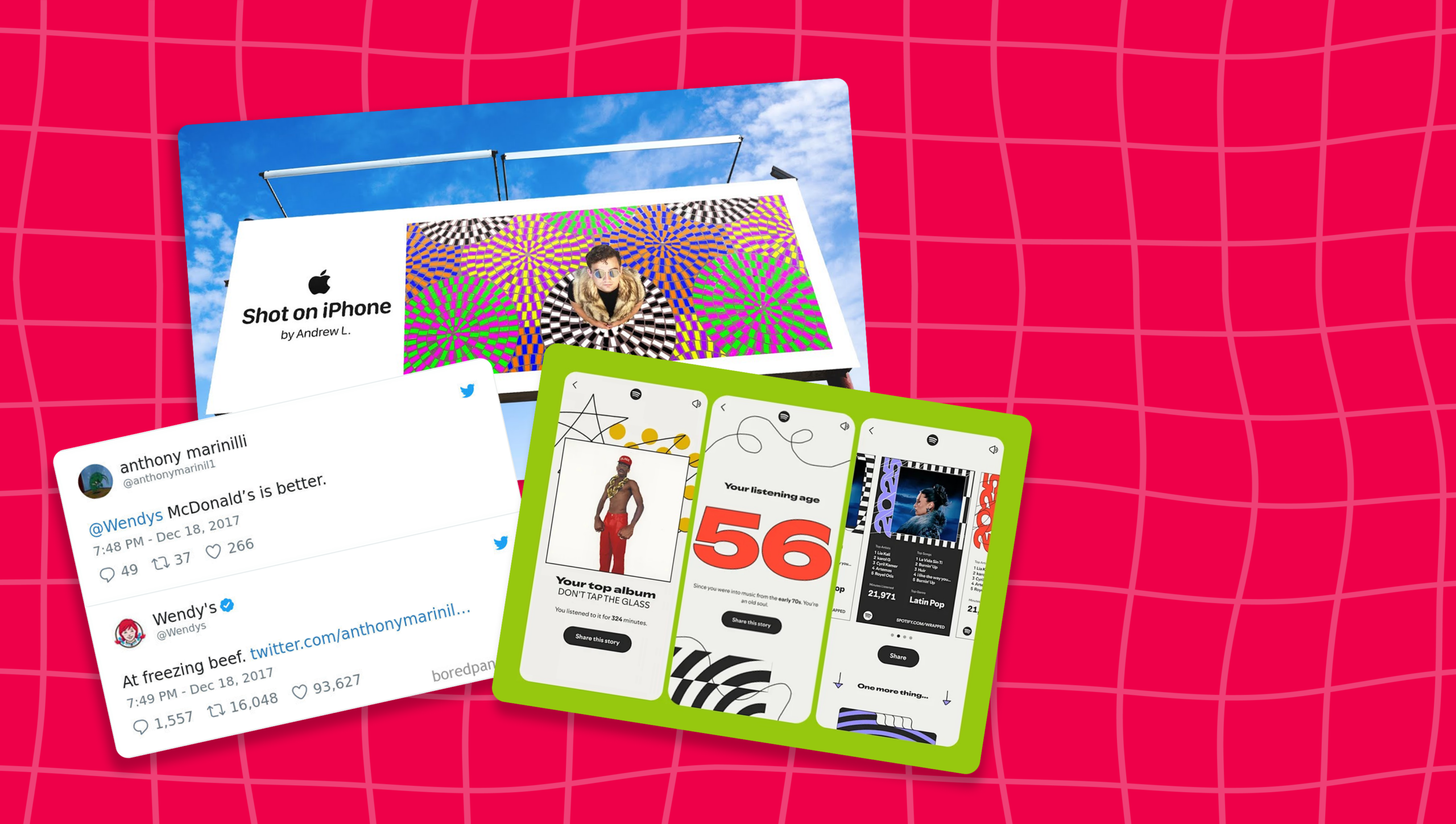

14 Social Marketing Campaign Examples Every Marketer Should Study
An effective social marketing campaign does more than capture attention—it also influences behavior. That’s the core principle behind social marketing, a methodology that applies commercial marketing techniques to influence social actions that build community around the brand and its values.
This article breaks down 14 campaigns that demonstrate what works, from Spotify Wrapped to Dove Real Beauty, and distills the patterns that make them successful. You’ll also find a practical framework for building campaigns that turn audiences into advocates.
What Is a Social Marketing Campaign
A social marketing campaign applies commercial marketing principles to influence behavior change for the benefit of individuals and society. The approach differs from traditional advertising because it focuses on a specific behavioral outcome rather than product sales. Five core elements define effective social marketing: a clearly defined target audience, a measurable behavioral focus (not just awareness), the exchange principle where audiences receive value for changing behavior, evidence-based messaging that appeals to emotions, and built-in evaluation to measure impact.
Here’s a distinction worth clarifying early: social marketing and social media marketing are not the same thing.
- Social marketing is a methodology for driving action
- Social media marketing is simply one channel that can support it.
A campaign encouraging people to recycle, for instance, is social marketing because it aims to change behavior. Running that campaign on Instagram makes social media a tool within the broader strategy.
The campaigns that work best make the desired action simple, social, and emotionally resonant.
How Referral Marketing Uses Social Marketing Principles
The goal of social marketing is to build a community around more than just a brand name. An impactful social marketing campaign makes customers feel like they are a part of something bigger; it leaves a lasting positive impression even on those who don’t convert to buyers right away.
Referral marketing adheres to the same core principle as social marketing: Community and social connection, more broadly, are much more powerful drivers of action than any other form of marketing. When you combine a high-impact social marketing effort with a referral CTA, you tap into an engine that turns authentic brand affinity into self-sustaining growth. When executed well, social marketing creates lasting behavior change and turns passive audiences into active advocates.
14 Social Marketing Campaign Examples Every Marketer Should Study
The following examples span industries and demonstrate different approaches to driving audience engagement and action. Each one offers a lesson in what makes social marketing work.
1. Spotify Wrapped Turns Listeners Into Storytellers
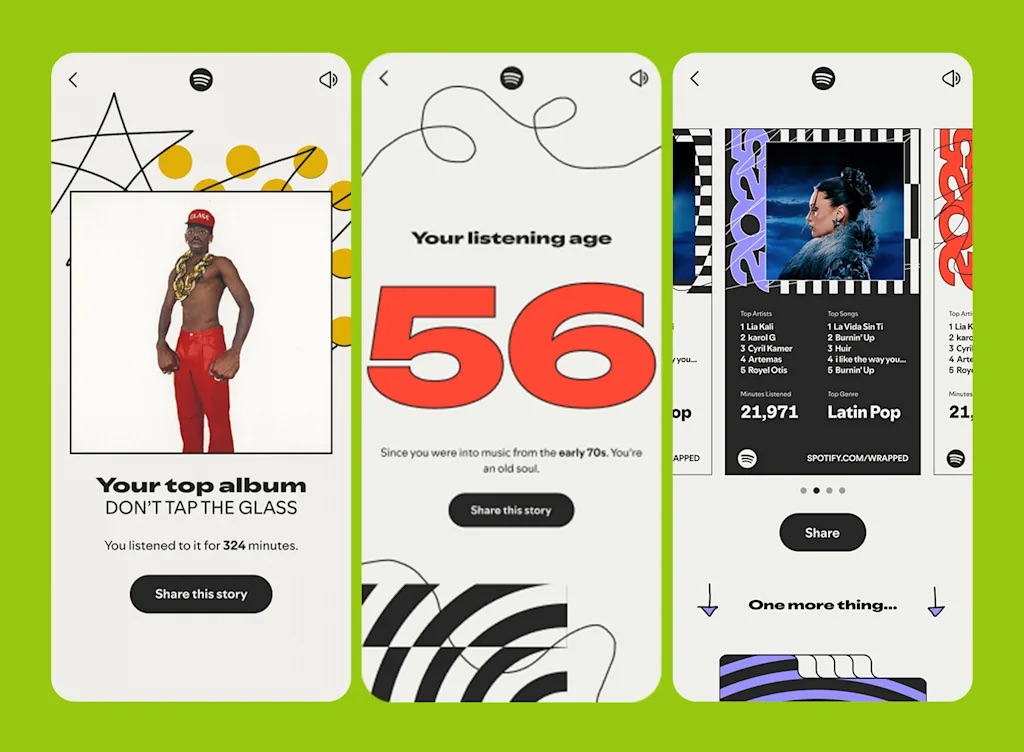
Every December, Spotify delivers personalized listening data that users eagerly share across social channels—Wrapped 2025 drew over 200 million engaged users in its first day alone. The campaign works because it makes listeners feel seen and gives them social currency—a reason to post that reflects something meaningful about who they are.
Key takeaway: Personalization drives organic sharing when it reflects something meaningful about the individual.
2. Coca-Cola Share a Coke
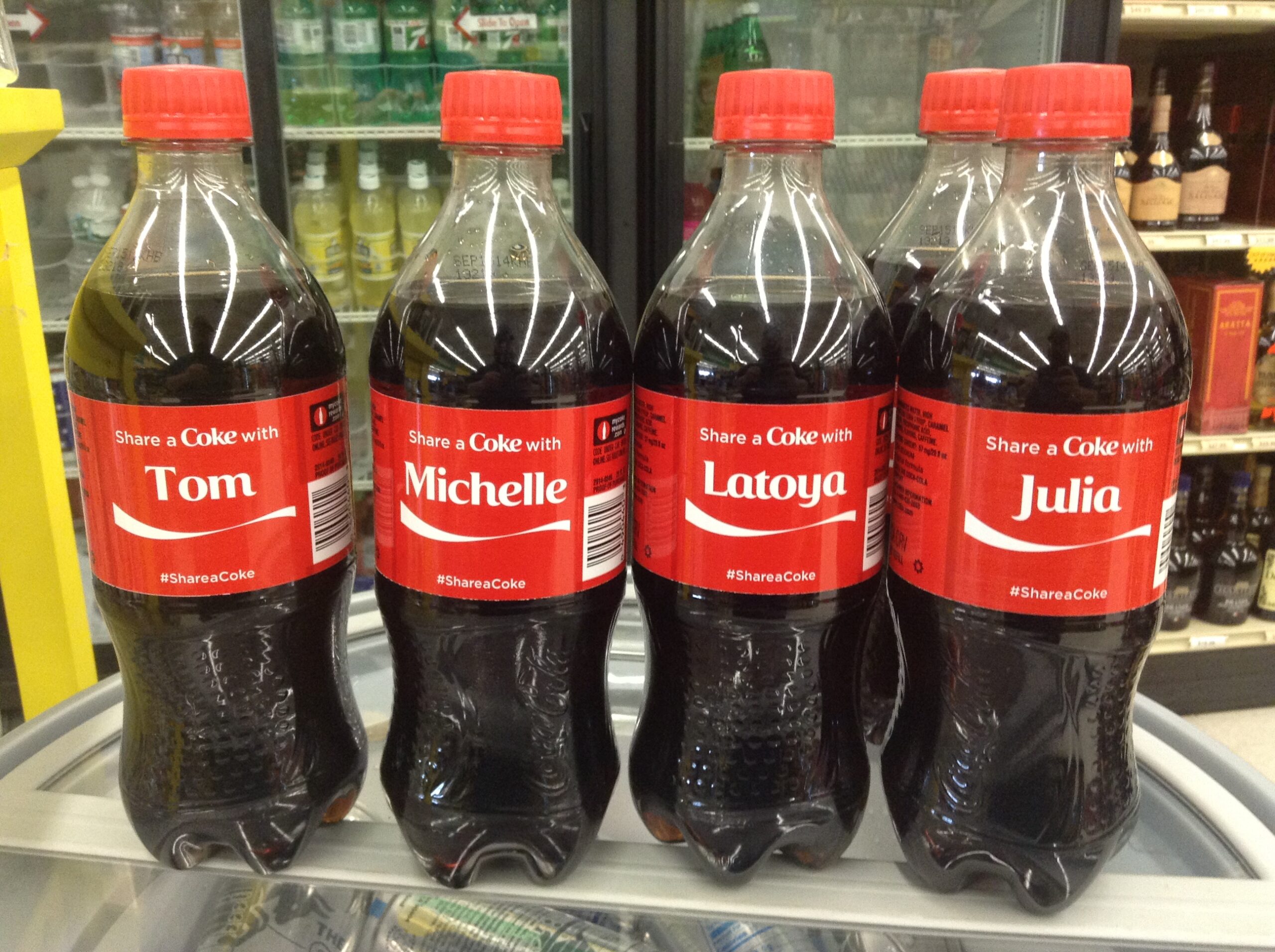
Coca-Cola replaced its iconic logo with common first names, prompting customers to hunt for bottles featuring their name or a friend’s. The simple swap turned product discovery into a social activity, with people photographing and sharing their finds.
Key takeaway: Personalization at scale creates emotional connection and word-of-mouth without requiring complex technology.
3. Dove Real Beauty
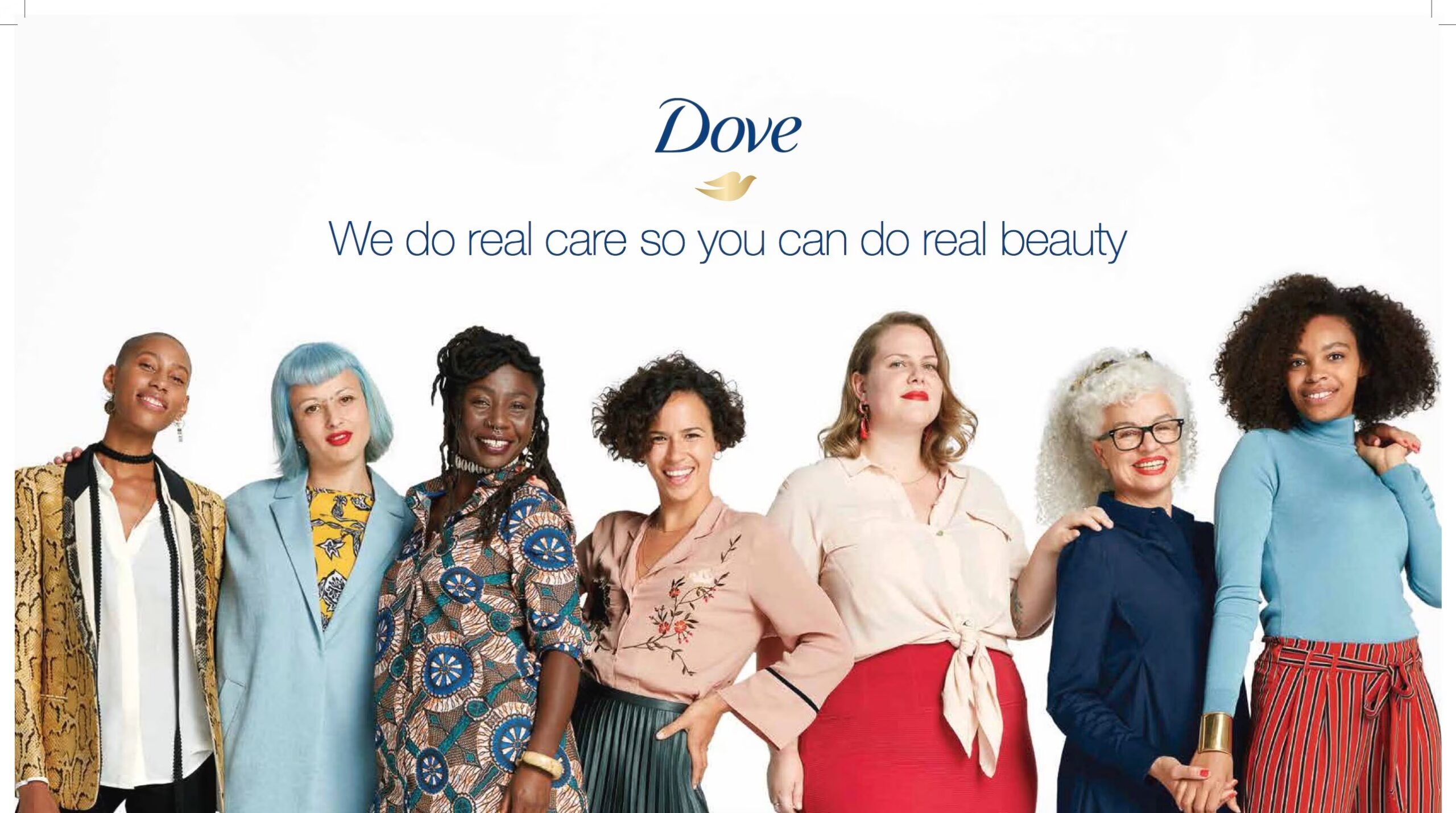
Dove challenged conventional beauty standards by featuring real women instead of models in its advertising. The campaign sparked conversations about self-image and built brand loyalty through values alignment. What made it work was authenticity—Dove committed to the message across years, not just a single ad cycle.
Key takeaway: Mission-driven campaigns resonate deeply when they reflect genuine brand beliefs.
4. Apple Shot on iPhone
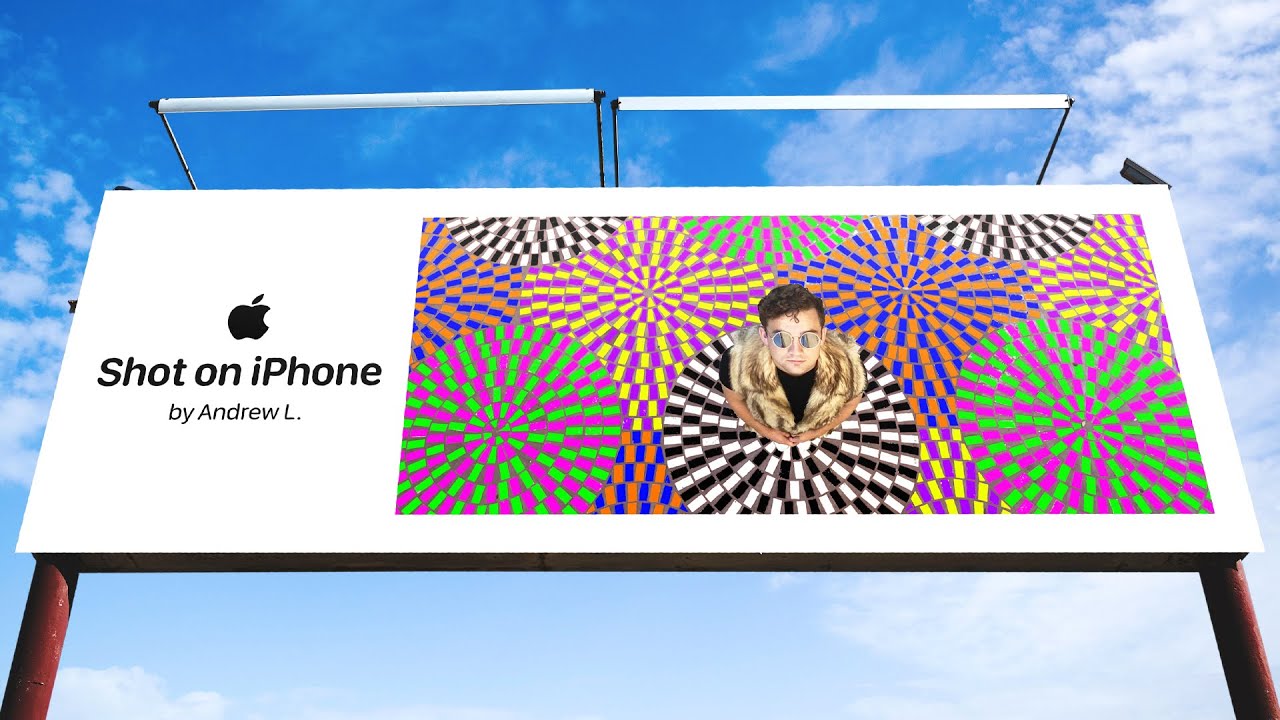
Apple showcased stunning photography created by everyday iPhone users, turning customers into brand ambassadors. Rather than focusing on technical specs, the campaign celebrated what people could create with the product in their pocket. Prospective customers can appreciate the product’s power, while existing iPhone users who encounter the ads might be inspired to realize their own artistic vision.
Key takeaway: Empowering customers to participate builds community and trust more effectively than traditional advertising—93% of marketers report that UGC outperforms traditional branded content.
5. National Geographic Photo Community

National Geographic invited photographers worldwide to contribute to a shared community space on Facebook. This created a sense of belonging and transformed passive followers into active contributors who felt ownership over the brand experience.
Key takeaway: Community-building turns audiences into participants who feel invested in the brand.
6. Disney Share Your Ears
Disney asked fans to post photos wearing Mickey ears, pledging to donate to Make-A-Wish for each post. The campaign combined user participation with social good, generating millions of posts and significant charitable contributions.
Key takeaway: Cause marketing paired with simple, shareable actions drives massive participation.
7. Lay’s Do Us a Flavor
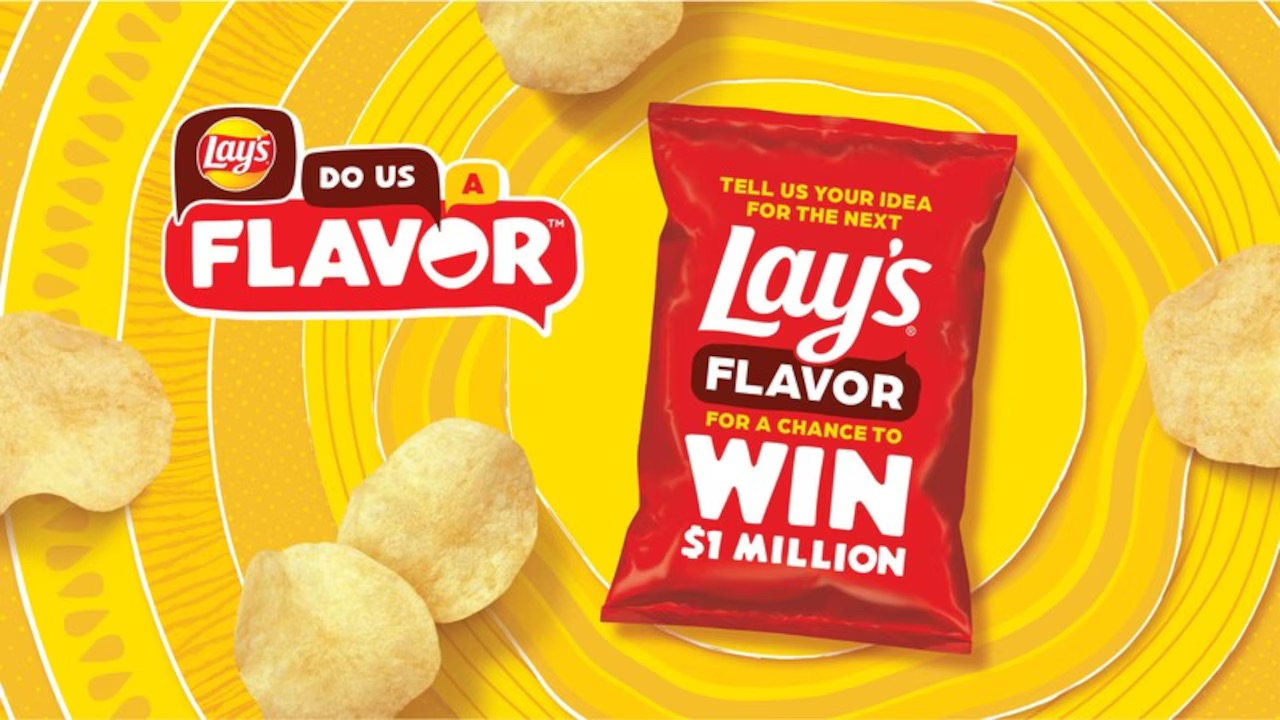
Lay’s crowdsourced new chip flavors directly from customers, making them feel invested in product development. The campaign generated engagement while simultaneously producing viable product ideas that the company actually brought to market.
Key takeaway: Co-creation campaigns deliver dual value—audience engagement and actionable insights.
8. Barbie Movie Pink Takeover

Warner Bros. launched an AI selfie generator that let fans insert themselves into Barbie-themed images ahead of the film’s release. The tool was frictionless to use and highly shareable, fueling viral spread across social platforms.
Key takeaway: Interactive tools that let audiences see themselves in the brand spark organic sharing.
9. Dunkin DunKings With Ben Affleck
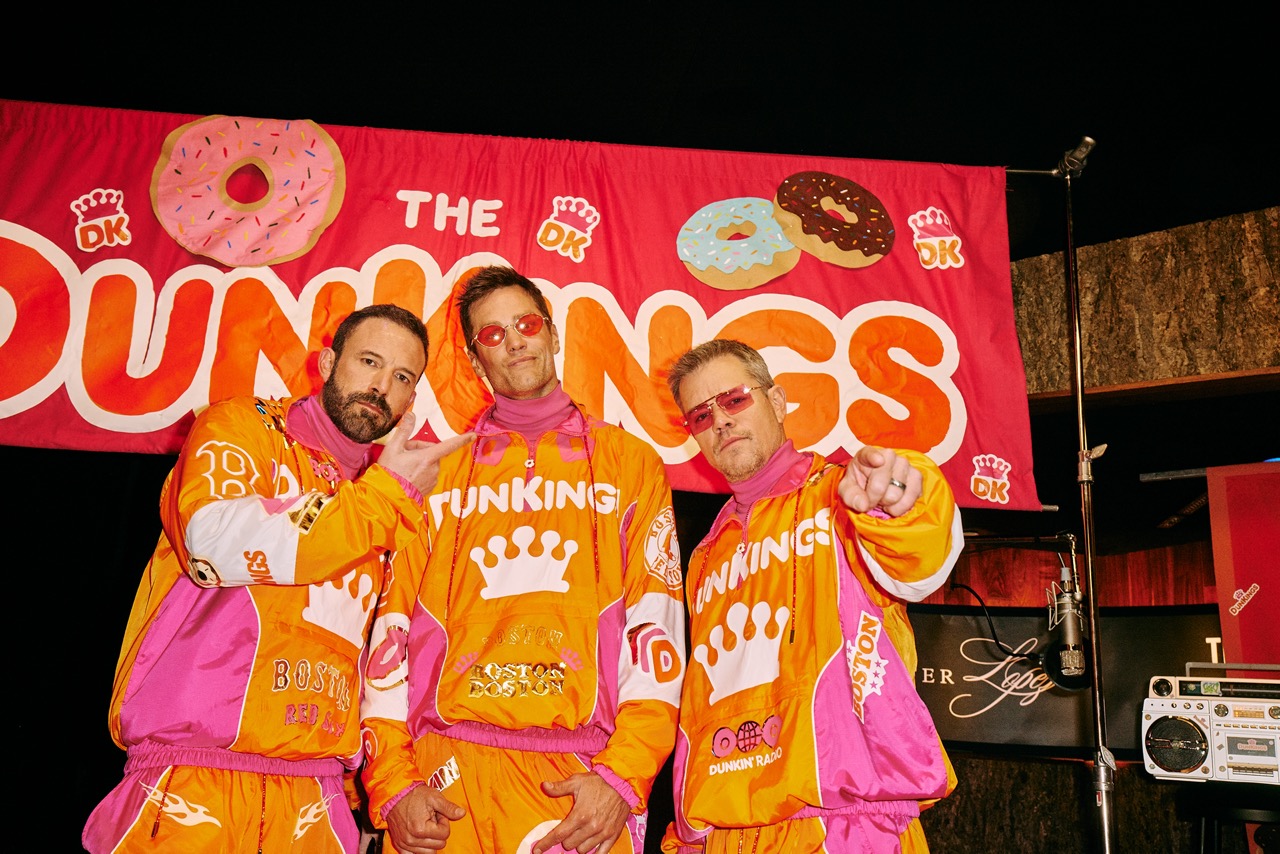
Dunkin’ partnered with Ben Affleck for a Super Bowl campaign that leaned into humor and internet culture. The collaboration felt authentic because it played on Affleck’s well-documented love for the brand, which had already become a meme.
Key takeaway: Celebrity campaigns work best when they feel self-aware and genuinely on-brand.
10. Netflix Fan-First TikTok

Netflix engages with fans as peers rather than as a corporation, using memes, comments, and trending sounds. This approach builds genuine community rather than broadcasting messages from a distance.
Key takeaway: Meeting audiences where they are with the right tone creates loyalty that traditional marketing struggles to replicate.
11. Wendy’s Twitter/X Clapbacks
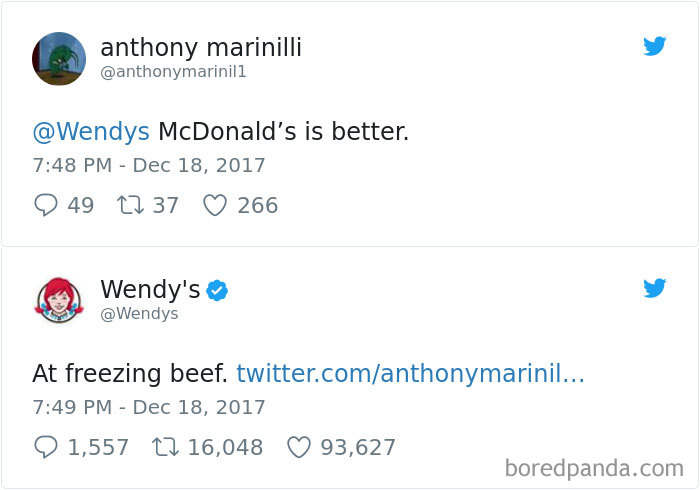
Wendy’s developed a distinctive brand voice that embraces humor and direct engagement with followers. The approach differentiates through personality and makes the brand memorable in a crowded fast-food landscape.
Key takeaway: A consistent, distinctive voice makes a brand shareable and builds affinity over time.
12. Lush Activist Storefronts
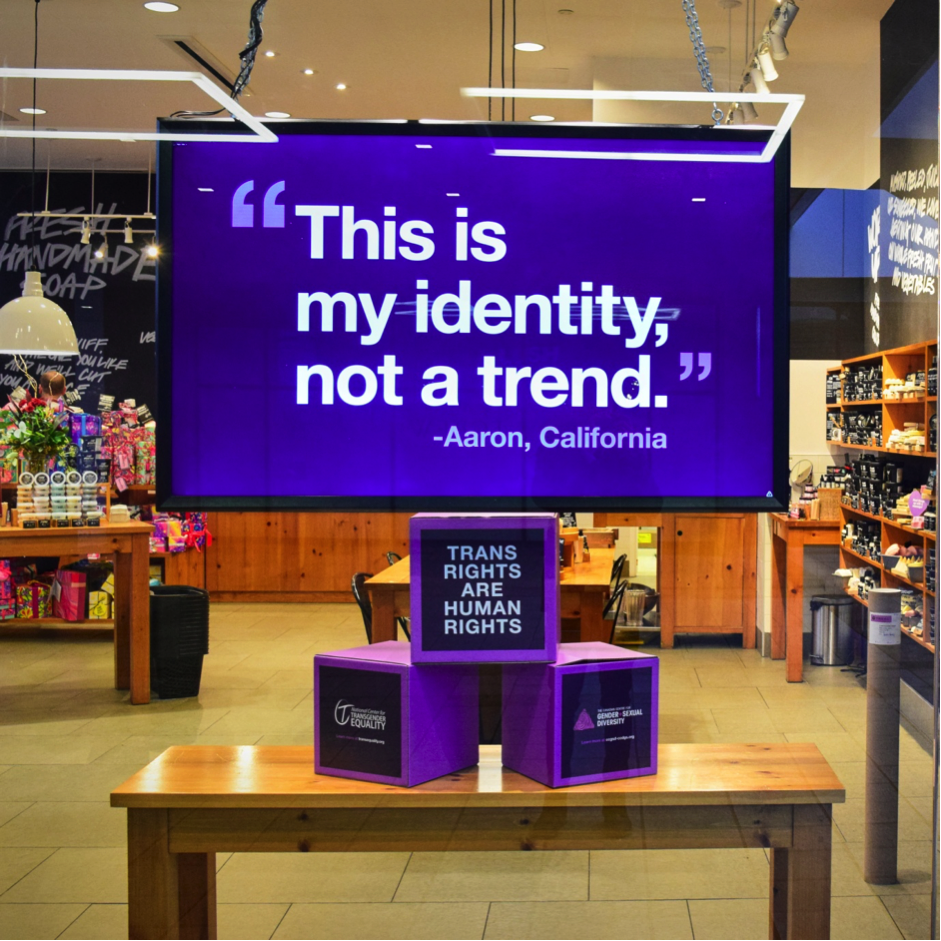
Lush uses both physical stores and digital spaces to champion causes its customers care about, from environmental protection to animal rights. This values-led marketing invites action, not just awareness.
Key takeaway: Standing for something attracts values-aligned customers who become advocates.
13. WWF Earth Hour

Earth Hour asks people to turn off their lights for one hour—a simple, symbolic action with global scale. The low barrier to entry and high visibility make participation feel meaningful without requiring significant effort.
Key takeaway: Simple, symbolic actions can unite massive audiences around a shared cause.
14. Airbnb We Accept
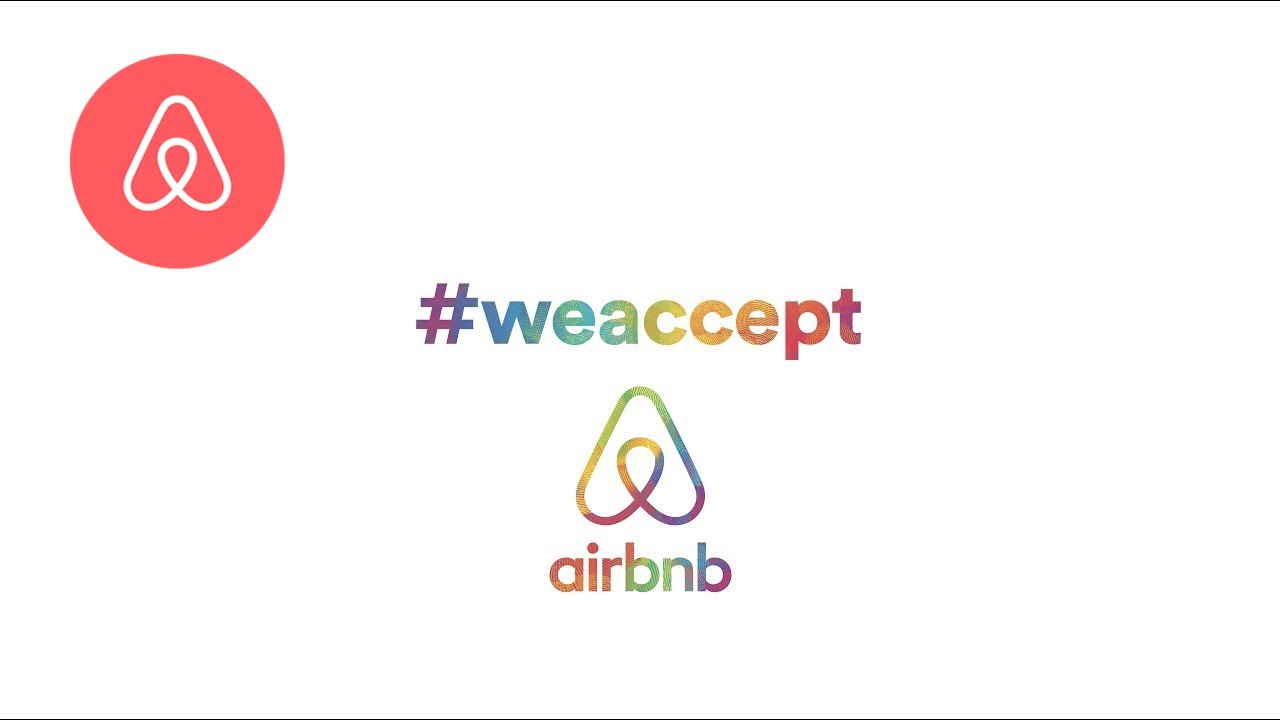
Following a moment of social tension, Airbnb responded with a clear values statement and a commitment to the community. The campaign took a stand aligned with brand identity and resonated with its audience because it felt genuine rather than opportunistic.
Key takeaway: Timely values-driven messaging builds trust when it reflects authentic brand beliefs.
What Successful Social Marketing Campaigns Have in Common
Looking across the examples above, clear patterns emerge. The most effective campaigns share several characteristics that turn audiences into advocates. Understanding brand advocacy helps explain why these patterns work:
- Simple, shareable actions: The ask is clear and easy to complete—post a photo, share a link, turn off a light.
- Emotional resonance: Appeals to identity, belonging, or values create deeper engagement than product features alone.
- Participation over passive consumption: Audiences contribute rather than simply observe, creating investment in the outcome.
- Built-in social proof: Sharing feels natural and rewarding, not forced or transactional.
- Measurable behaviors: Clear actions that can be tracked allow for optimization and ROI measurement.
| Campaign Type | Examples | Primary Driver |
|---|---|---|
| Personalization | Spotify Wrapped, Share a Coke | Individual recognition |
| User-Generated Content | Shot on iPhone, Share Your Ears | Customer empowerment |
| Co-Creation | Do Us a Flavor, Barbie Selfie Generator | Audience participation |
| Cause Marketing | TOMS, Earth Hour, We Accept | Values alignment |
| Community Building | Nat Geo, Netflix TikTok | Belonging and identity |
How to Build a Social Marketing Campaign That Drives Growth
The following steps align with proven social marketing methodology and tie back to the exchange principle—giving audiences something valuable in return for the behavior you want.
Step 1. Define the audience and the action you want to drive
Getting specific about who you’re reaching and what single behavior you want them to take is the foundation of any effective campaign. Vague goals like “increase awareness” are difficult to measure and optimize. Concrete actions work better: shares, sign-ups, referrals, or purchases.
Segmentation matters here. A campaign targeting Gen Z college students will look different from one aimed at suburban parents, even if the underlying product is the same.
Step 2. Craft a message worth sharing
The message itself is what travels. It works best when it appeals to emotions, tells a story, and gives audiences social currency—something that makes them look good, feel good, or belong to something larger when they share it.
A/B testing before full launch often reveals insights that improve performance at scale. What resonates with a focus group or small segment can inform the broader rollout.
Step 3. Choose the right channels, incentives, and creators
Meeting audiences where they already spend time is essential. A campaign built for TikTok won’t translate directly to LinkedIn, and vice versa.
The right referral incentives can amplify reach significantly. Referral programs, for instance, reward customers who share with friends—formalizing word-of-mouth into a measurable channel. The exchange principle applies here: minimize friction and maximize perceived value for participants.
Step 4. Launch, test, and optimize in real time
Social marketing is iterative. Collecting data from launch, measuring against objectives, and refining continuously separates campaigns that perform well over time from those that fade quickly.
Real-time event tracking helps teams understand what’s working and adjust quickly. Platforms designed for referral and engagement programs provide this visibility out of the box.
How to Measure the Success of a Social Marketing Campaign
Focusing on behavior-based metrics rather than vanity metrics reveals whether a campaign is actually driving the action you want. Likes and impressions tell you about reach, but they don’t reveal impact.
- Behavioral outcomes: Track the specific action you defined—shares, sign-ups, referrals, or purchases.
- Engagement quality: Comments, saves, and shares indicate deeper engagement than likes alone.
- Referral and advocacy metrics: Measure how many new customers came from existing advocates and what those customers are worth over time.
- Program ROI: Compare cost per acquisition to other channels to understand relative efficiency.
Platforms like Extole provide real-time event tracking and performance analytics specifically designed to measure referral and advocacy program outcomes. This visibility helps teams optimize with confidence rather than guessing.
Turning Social Marketing Campaigns Into a Customer-Led Growth Engine
The best social marketing campaigns don’t just generate buzz—they build systems for ongoing customer advocacy. When you turn one-time participants into repeat advocates, you create a customer-led growth engine that compounds over time.
This is where referral and engagement platforms become valuable. They help brands operationalize word-of-mouth, moving from ad hoc campaigns to strategic, data-driven programs. With the right infrastructure, every satisfied customer becomes a potential source of new acquisition.
The examples in this article share a common thread: they made participation easy, rewarding, and worth sharing. That same principle applies whether you’re running a global brand campaign or a targeted referral program.
See how Extole helps brands turn customers into advocates—book a demo.
Frequently Asked Questions About Social Marketing Campaigns
What is the difference between social marketing and social media marketing?
Social marketing is a methodology for driving behavior change using commercial marketing principles. Social media marketing is a channel or tool that can be used within a social marketing campaign. You can run a social marketing campaign without social media, and you can use social media for purposes other than behavior change.
What is the 5-5-5 rule for social media?
The 5-5-5 rule suggests posting five pieces of content from others, five from your brand, and five personal or behind-the-scenes posts to maintain a balanced, engaging feed. It’s a guideline for content mix rather than a strict formula.
What is the 3-3-3 rule in marketing?
The 3-3-3 rule recommends grabbing attention in the first three seconds, delivering key value in three minutes, and following up within three days to maximize campaign impact. It’s particularly relevant for video content and lead nurturing.
How long does a social marketing campaign typically run?
Campaign length depends on goals and complexity. Most effective campaigns run long enough to test, optimize, and build momentum—often several weeks to months for meaningful behavior change. Short bursts can work for awareness, but sustained behavior change requires sustained effort.
How do referral programs fit into a social marketing campaign?
Referral programs formalize word-of-mouth by rewarding customers who share with friends. They turn organic advocacy into a measurable, scalable growth channel within a broader social marketing strategy—applying the exchange principle by giving advocates something valuable in return for their participation.