Blog
Offer Management
The 10 Best Offer Management Software Solutions for 2026
Courtenay Roche


Products
Enterprise platform
Platform features
Acquisition programs
Retention programs
Learn
Resources
Developers
Documentation
SDKs & GitHub
Blog
Courtenay Roche
Most brands manage referrals in one tool, loyalty in another, and promotions in a third—then wonder why their incentive programs feel disconnected and hard to optimize. Offer management software consolidates these programs into one infrastructure layer, giving teams a single place to create, personalize, and deliver incentives across the customer lifecycle. This guide breaks down what offer management software actually does, compares the top platforms for 2026, and walks through how to evaluate which solution fits your business.
Offer management software is a platform that helps businesses create, personalize, deliver, and track incentive programs throughout the customer lifecycle—part of a $17.38 billion loyalty management market in 2026. Think of it as the infrastructure layer that decides who qualifies for an offer, what reward they receive, and how that reward actually gets to them. What makes offer management software different from a basic promo code tool or a standalone referral app? It treats the "offer" itself as the central building block. That means one platform can power referral programs, loyalty rewards, welcome offers, and promotional campaigns without requiring separate tools for each.
Marketing teams, product teams, and developers all interact with offer management software in different ways. Marketers build and launch programs. Product teams embed offers into apps and websites. Developers extend functionality through APIs and integrations.
The platforms below represent a range of approaches to offer management, from enterprise-grade infrastructure to simpler ecommerce-focused tools. Each serves a different type of organization and use case.
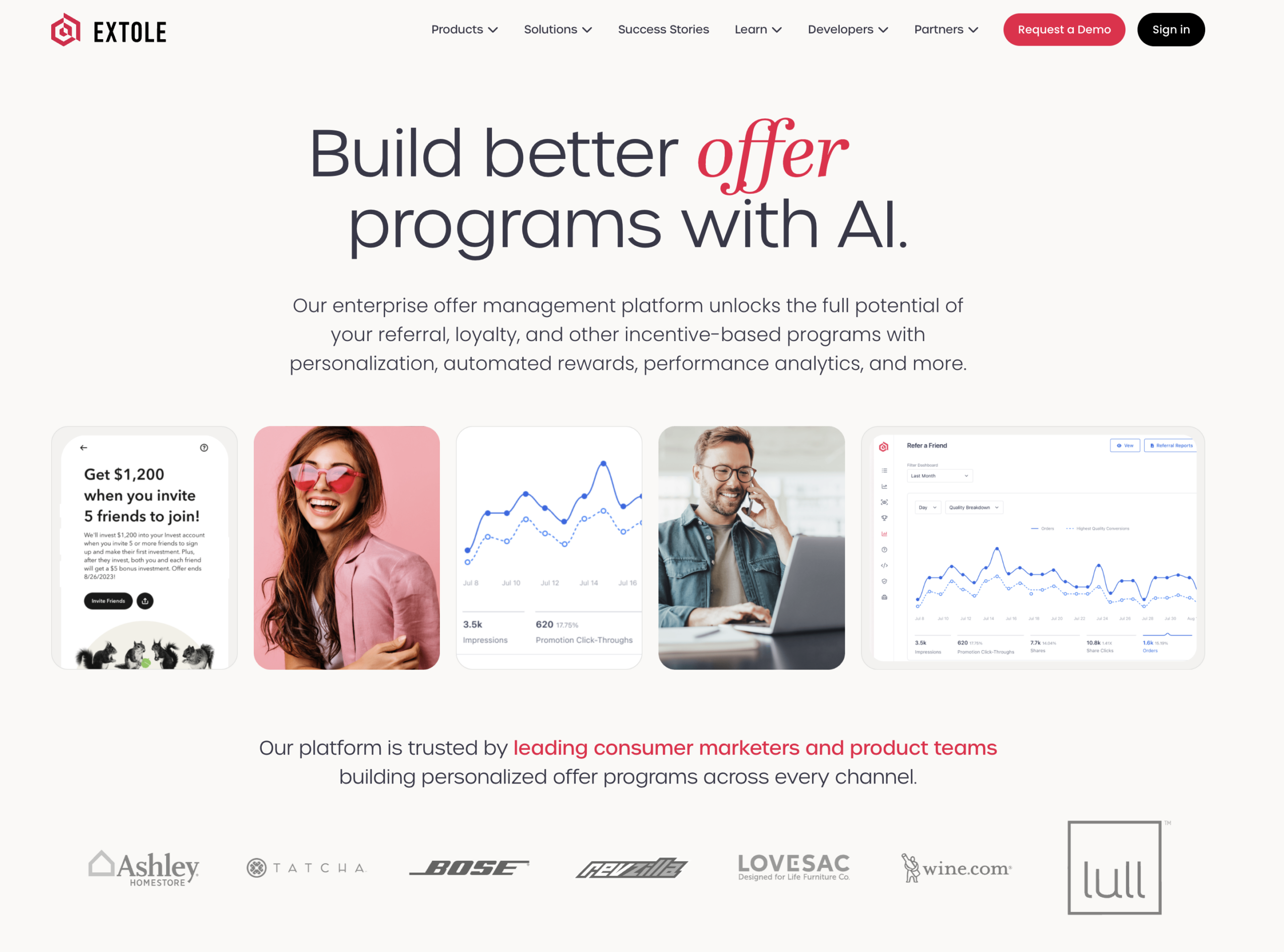 Extole is an enterprise offer management platform designed for personalized incentive programs across the full customer lifecycle. The platform handles referral, loyalty, ambassador, promotional, and reward-for-action programs within a single configurable system. Extole stands out for its AI accessibility via MCP and CLI, as well as enterprise-grade fraud prevention and automated reward fulfillment. Retail, financial services, and telecom brands typically choose Extole when template-based solutions no longer fit their program complexity.
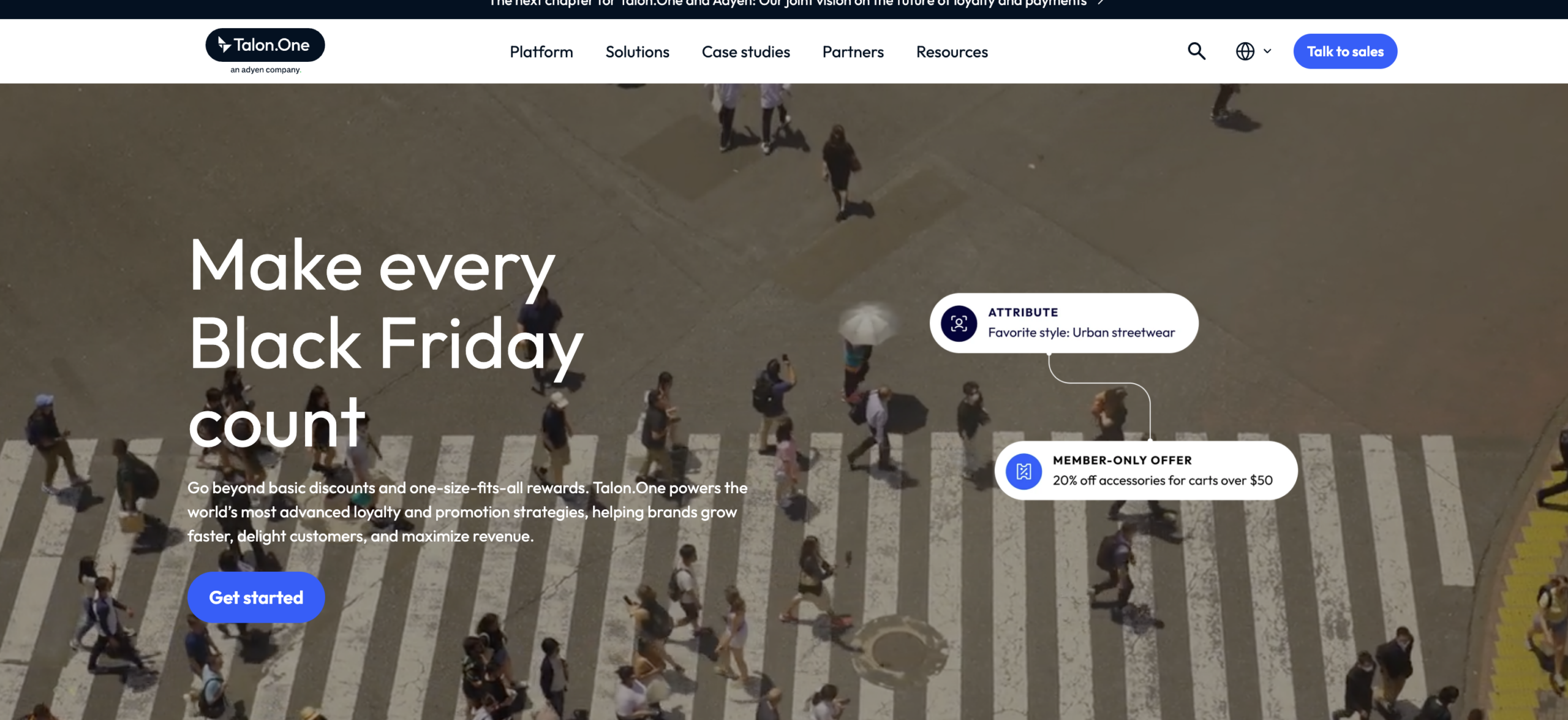 Talon.One works as a promotion engine centered on coupons, discounts, and loyalty points. The platform offers rule-based campaign management that appeals to ecommerce brands wanting detailed control over promotional logic.
 Voucherify takes an API-first approach to promotion and loyalty management. The platform gives developers flexibility for coupon and voucher programs, though implementation typically requires more technical resources than marketer-focused alternatives.
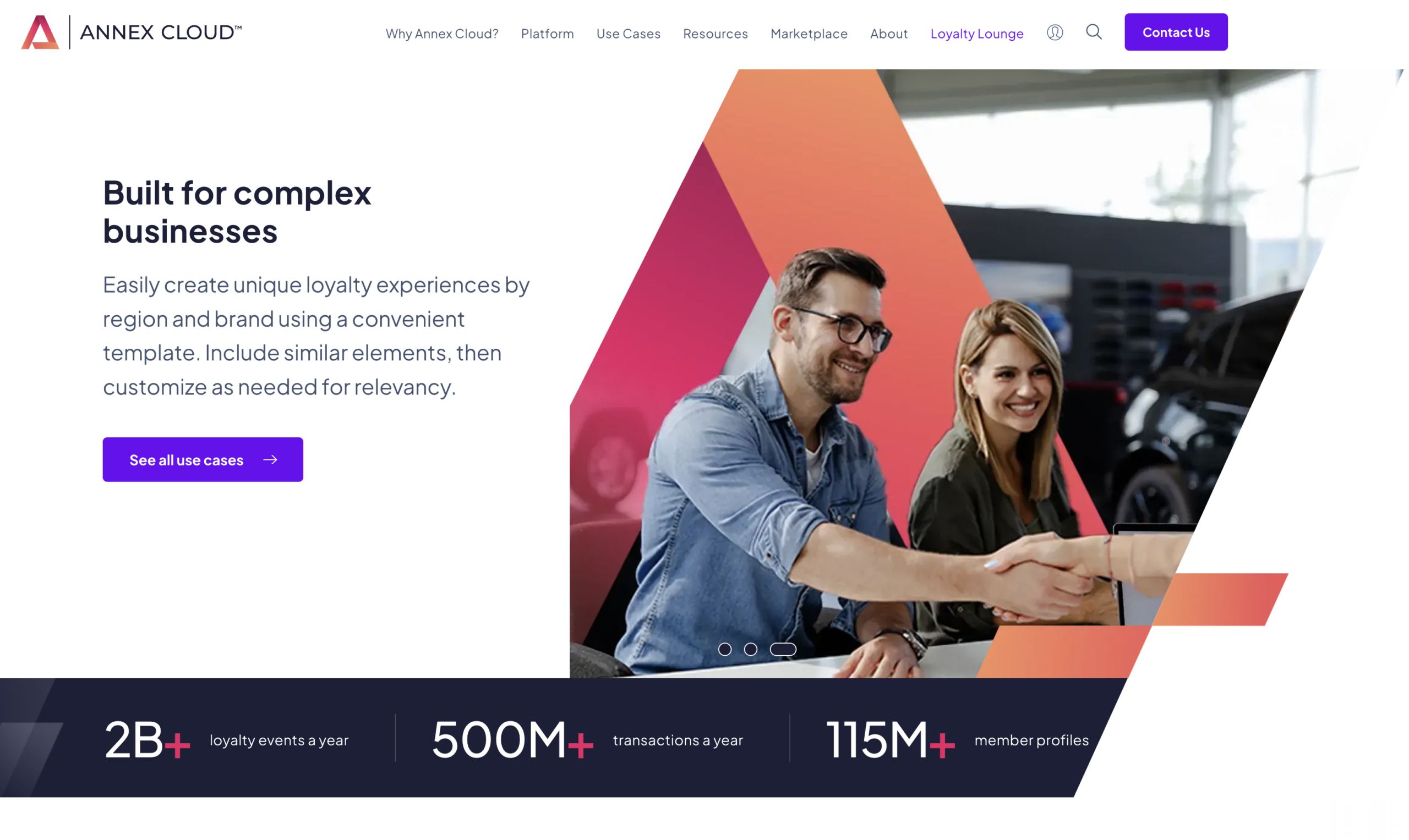 Annex Cloud focuses on points-based loyalty programs with referral features included. Enterprise brands looking for traditional loyalty management with member tiers and point accumulation often consider this platform.
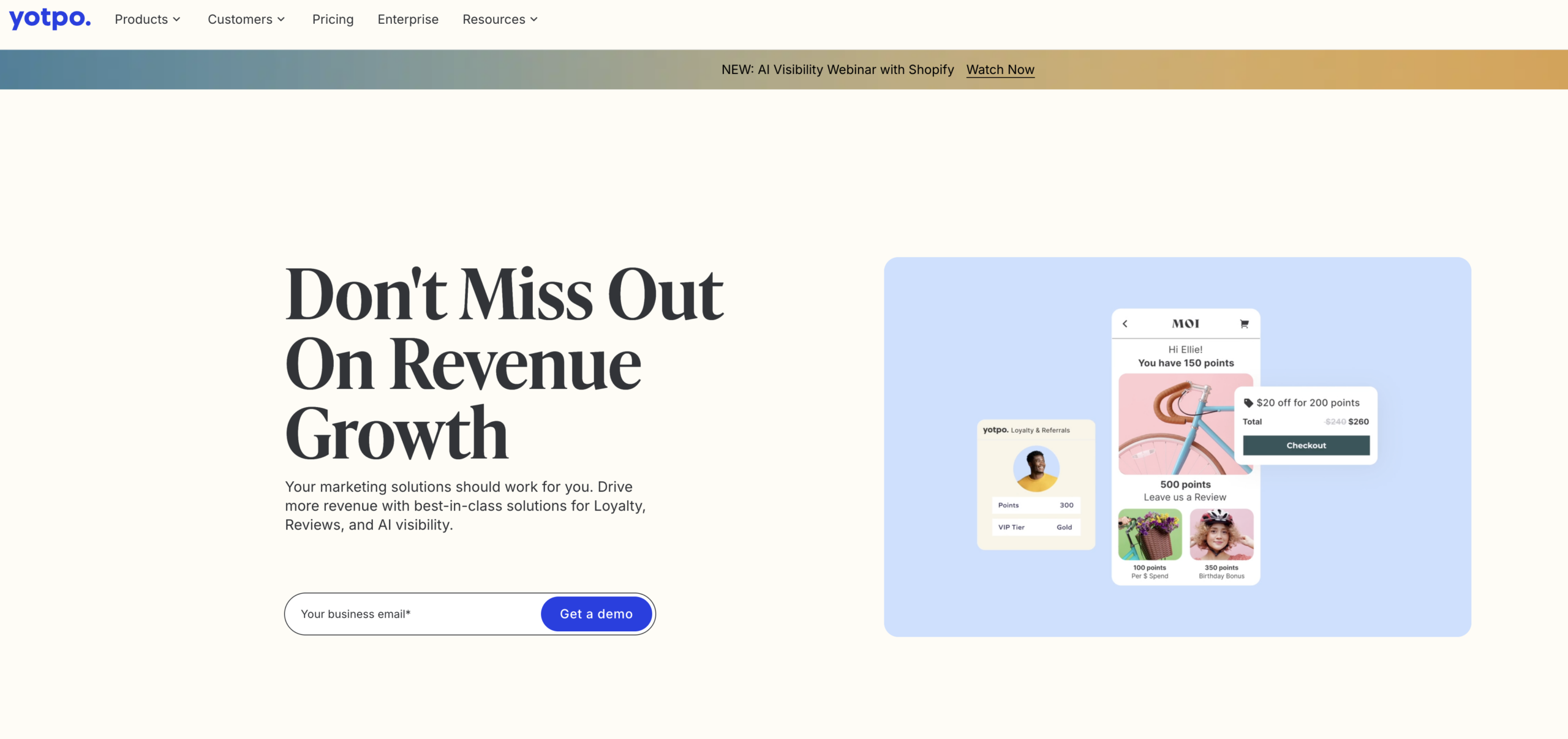 Yotpo provides loyalty and referral modules within a broader ecommerce marketing suite. The platform connects with reviews and SMS marketing, which works well for DTC brands consolidating their marketing tools.
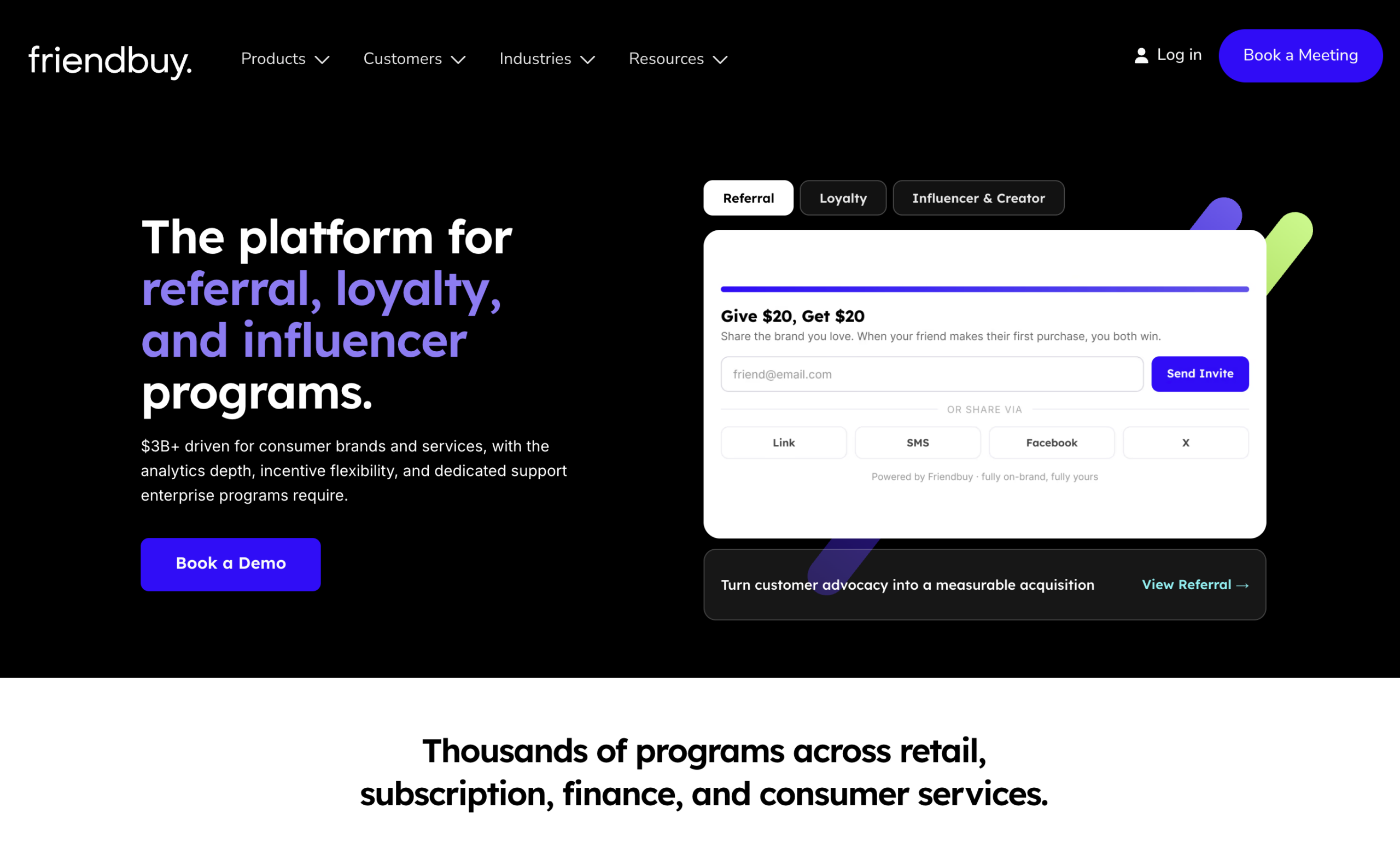 Friendbuy offers referral and loyalty programs for ecommerce and DTC brands through template-based setup. Teams that want quick deployment without extensive customization find the platform approachable.
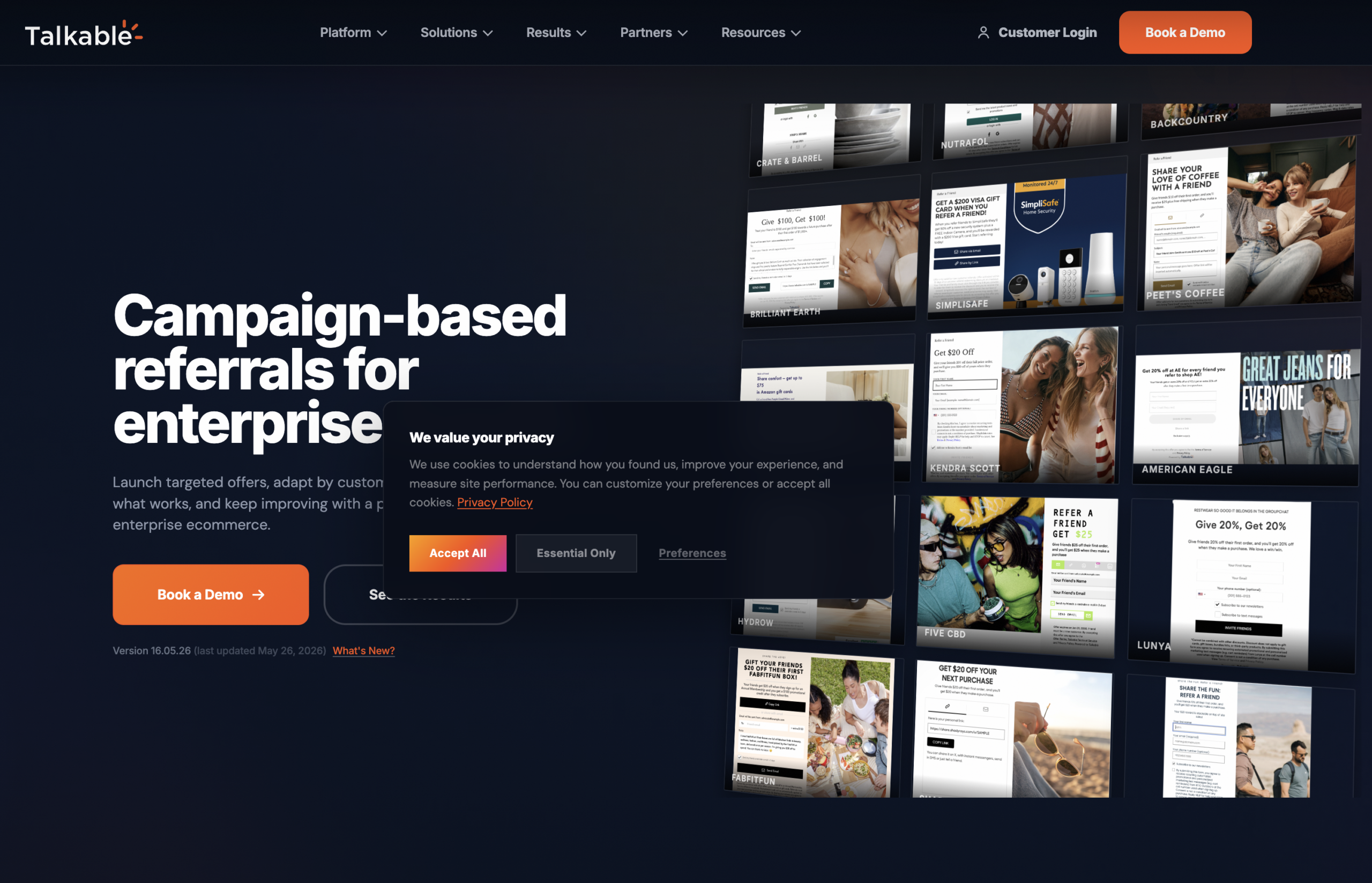 Talkable concentrates on referral marketing with built-in A/B testing. Ecommerce brands use the platform to experiment with referral messaging and offer structures.
 SaaSquatch supports both B2B and B2C referral and loyalty programs with points-based flexibility. SaaS companies and subscription businesses with recurring revenue models often explore this option.
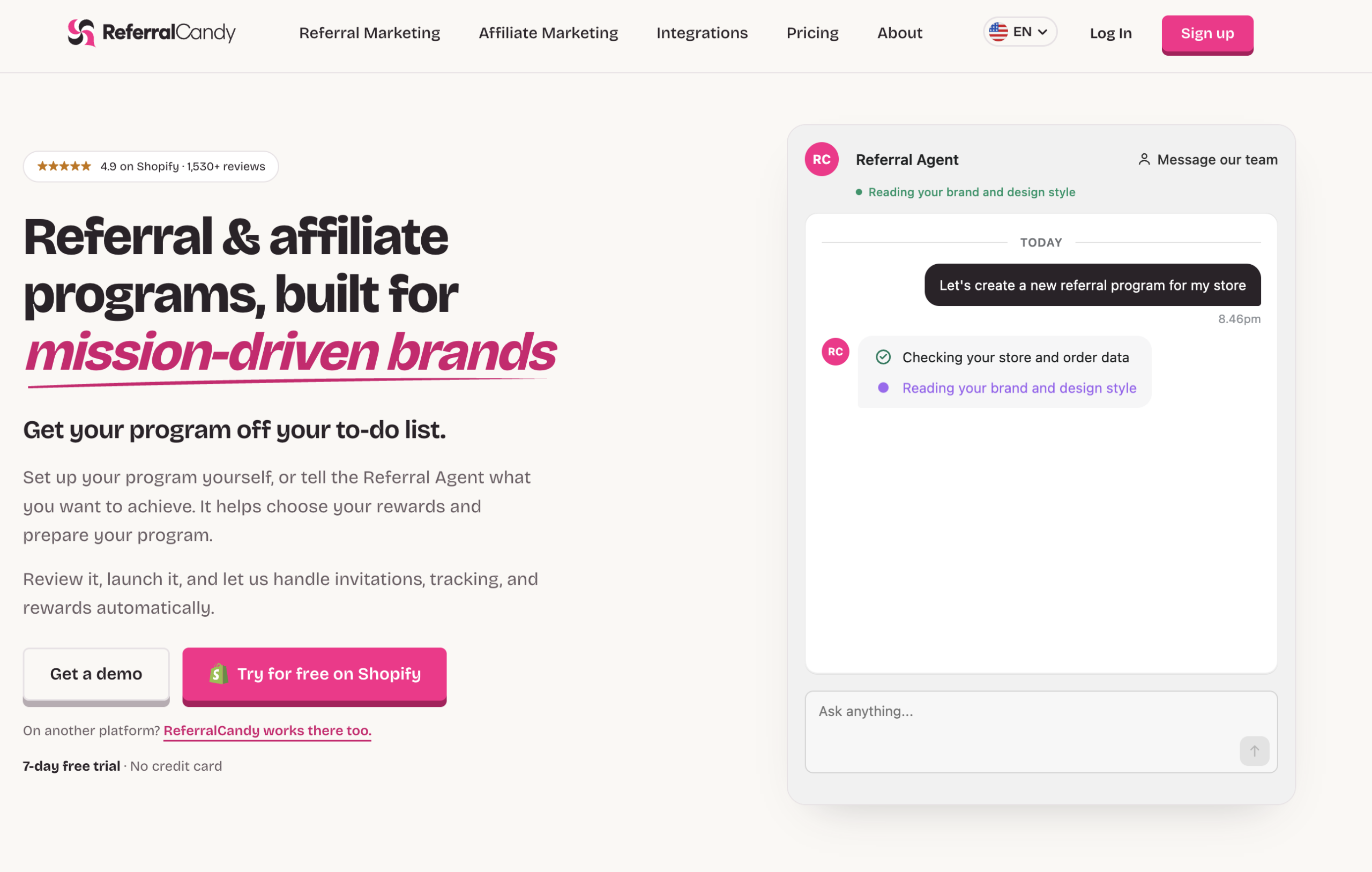 ReferralCandy provides a straightforward referral solution for small to mid-market ecommerce brands. The platform emphasizes ease of setup over advanced customization.
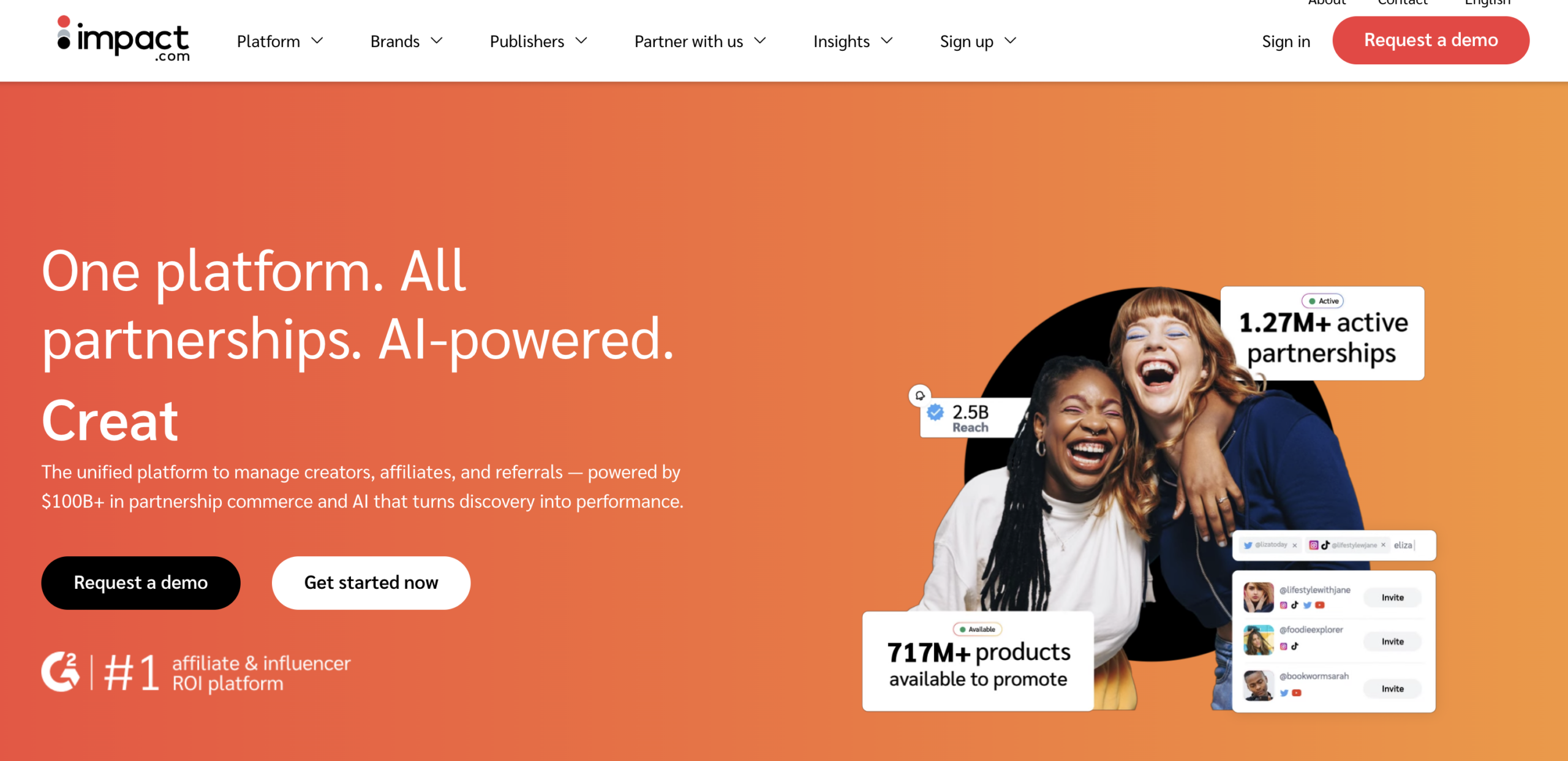 Impact manages partnerships and affiliate relationships with referral capabilities built in. Brands with complex partner ecosystems use the platform to track attribution across multiple relationship types.
| Platform | Primary Use Case | Best For | Key Differentiator | Developer Access |
|---|---|---|---|---|
| Extole | Full lifecycle offer management | Enterprise B2C | Configurability + AI accessibility | APIs, SDKs, MCP, CLI |
| Talon.One | Promotions and coupons | Mid-market ecommerce | Rule-based promotion engine | APIs |
| Voucherify | Voucher management | Developer-led teams | API-first architecture | Full API access |
| Annex Cloud | Points-based loyalty | Enterprise loyalty | Member tier management | Limited APIs |
| Yotpo | Ecommerce marketing suite | DTC brands | Integrated reviews + SMS | APIs |
| Friendbuy | Referral + loyalty | Ecommerce | Template-based setup | Basic APIs |
| Talkable | Referral optimization | Ecommerce | A/B testing | Limited APIs |
| SaaSquatch | B2B/B2C referral | SaaS companies | Points flexibility | APIs |
| ReferralCandy | Simple referral | SMB ecommerce | Easy setup | Basic APIs |
| Impact | Partnership management | Partner-heavy brands | Affiliate tracking | APIs |
Each platform was assessed across six dimensions that matter most when running incentive programs at scale.
Can the platform support custom program logic, or does it lock you into rigid templates? We looked at whether brands can define unique audiences, create multi-step eligibility rules, and build reward structures that match their specific business goals.
The ability to use customer data, behavior, and context to personalize offers affects how relevant each incentive feels—McKinsey research found that personalization leaders generate 40% more revenue than average performers. We evaluated real-time targeting options and segment-based offer variations.
How well does the platform connect to CRMs, CDPs, commerce platforms, and messaging tools? We reviewed both pre-built integrations and API flexibility for custom connections.
Built-in fraud detection, eligibility verification, and audit trails protect program economics. Enterprise brands benefit from platforms that catch abuse before rewards go out the door.
API depth, SDK availability, and documentation quality determine how easily technical teams can extend platform functionality. MCP access and CLI tools enable developers and AI agents to build on top of offer infrastructure.
High-volume programs require infrastructure that handles traffic spikes, maintains up-time, and provides governance features for compliance-conscious organizations.
When evaluating platforms, certain capabilities separate basic tools from enterprise-ready infrastructure.
The platform allows you to define custom rules for who qualifies, what they earn, and when rewards trigger. This flexibility means launching new program variations without rebuilding from scratch each time.
Targeting based on customer attributes, behaviors, purchase history, or real-time events enables more relevant offers. The depth of the platform's event system determines how granular your targeting can get.
Delivering offers across web, mobile app, email, SMS, and in-store experiences from one platform eliminates the fragmentation that comes from managing separate tools for each channel.
Automated reward authorization, delivery confirmation, and settlement tracking reduce manual work. Every promise to a customer gets fulfilled accurately and on time.
Visibility into program performance, customer behaviors, advocate relationships, and ROI helps teams optimize over time. The best platforms go beyond basic link tracking to show the full picture of what's working.
Programmatic access enables product teams to embed offers directly into customer experiences. This becomes essential as programs grow more sophisticated.
Different industries use incentive programs in distinct ways, and the right platform depends partly on sector-specific requirements.
Retail brands typically run referral programs, welcome offers, loyalty points, and reward-for-action programs that incentivize behaviors like leaving reviews or completing surveys. Speed to launch and A/B testing capabilities matter most in this space.
Banks, credit unions, and fintechs require secure, compliant programs for account acquisition and share-of-wallet growth. Integration with digital banking platforms like Q2, Candescent, and Jack Henry enables embedded referral experiences within mobile banking apps, so customers can share and earn without leaving the app.
Telecom companies run customer referral programs alongside upsell incentives and field employee programs. Mobile enablement, like the ability for field teams to capture referrals with personalized QR codes, extends program reach beyond digital channels.
Guest acquisition and loyalty programs in travel benefit from rich targeting based on booking history, membership status, and travel preferences. Configurable online and in-app programs adapt offers to each guest's context.
Pricing models vary significantly across platforms. Here are the most common structures:
Most enterprise platforms start with discovery calls to understand program requirements before providing pricing. Knowing your expected reward volume and integration complexity upfront helps with budget planning.
Start by mapping out whether you want simple template-based programs or highly configurable logic across multiple program types. Brands running only basic referral programs have different requirements than those managing referral, loyalty, and promotional offers simultaneously.
Document your existing tech stack, including your CRM, CDP, commerce platform, and messaging tools. Then confirm the platform connects to systems where customer data already lives. Integration gaps create manual work and limit personalization.
Weigh the engineering effort of building event handling, eligibility logic, fraud prevention, and fulfillment in-house versus buying proven infrastructure. Most enterprise brands find that buying saves significant development time and ongoing maintenance.
Test platforms with realistic use cases from your business. Evaluate both the marketer-facing interface and developer tools, since both teams will interact with the platform regularly.
Want to see configurable offer management in action? Request a demo to explore how enterprise brands build and optimize incentive programs at scale.
Offer management software covers the full lifecycle of incentives, including referral, loyalty, promotions, and welcome offers. Loyalty software typically focuses specifically on points-based programs and member rewards. The distinction matters when brands want to manage multiple program types from one platform rather than stitching together separate tools.
Enterprise offer management platforms connect to CRMs, CDPs, commerce systems, and messaging tools through APIs and pre-built integrations. This enables teams to use existing customer data for targeting and personalization without duplicating data infrastructure.
Platforms include fraud detection, eligibility verification, reward authorization controls, and audit trails. These safeguards ensure only legitimate actions trigger rewards, and every decision can be traced for compliance and financial accuracy.
Common reward types include discounts, cash back, gift cards, account credits, loyalty points, and custom rewards. Enterprise platforms handle fulfillment automatically, whether that means issuing a digital gift card or crediting a customer's account.
Marketers can often create and manage programs directly through platform interfaces. However, developer involvement enables deeper integrations, custom embedded experiences, and API-driven program logic for complex use cases. The best platforms serve both audiences effectively.
Implementation timelines range from weeks for standard setups to several months for enterprise deployments with extensive customization. Integration complexity and program requirements drive the timeline more than platform choice alone.

To add referral tracking to your checkout flow, connect the customer's referral link or code to their purchase, report the completed order to your referral system, and apply…

Your online store already has customers who love what you sell, and BigCommerce referral plugins can turn that goodwill into a repeatable acquisition channel—one where your…

Customer incentives work best when there is an actual strategy behind them. The difference shows up in conversion rates, customer lifetime value, and whether your rewards…