Blog
Refer-a-Friend Examples
The Best Referral Programs: 7 Examples Every B2C Brand Can Learn From
Courtenay Roche


Products
Enterprise platform
Platform features
Acquisition programs
Retention programs
Learn
Resources
Developers
Documentation
SDKs & GitHub
Blog
Courtenay Roche
For most B2C brands, lower customer acquisition costs and higher retention rates are the driving force behind every marketing decision. The best referral programs accomplish both goals, engaging loyal customers and turning them into a sustainable growth channel. This guide breaks down seven referral programs worth modeling, including their setup, reward structures, and key takeaways. You will also learn why referrals work across industries and how to choose the right approach for your brand.
The best referral programs share two simple attributes: They pair a valuable reward with a sharing experience that feels easy and on-brand. Outside that core structure, the best referral programs use a variety of approaches to brand advocacy, from gamification to creative promotional tactics. The seven examples below span SaaS, fintech, subscription, travel, and retail, so any B2C brand can find a model to emulate. Each entry lists the reward used and the takeaway that matters most.
 Dropbox launched in the mid-2000s with a famous referral program that helped the once-modest startup become a household name. It offered extra free storage—its core product offering—to both the advocate and the referred friend. The reward aligned with the product's main value proposition, so each referral made the service more useful to everyone. The program helped signups jump about 60% in 2010, as this Dropbox referral email teardown details. That viral referral growth drove 2.8 million new users in 30 days. Takeaway: Reward people with something built into your product, and show their progress so sharing feels rewarding.
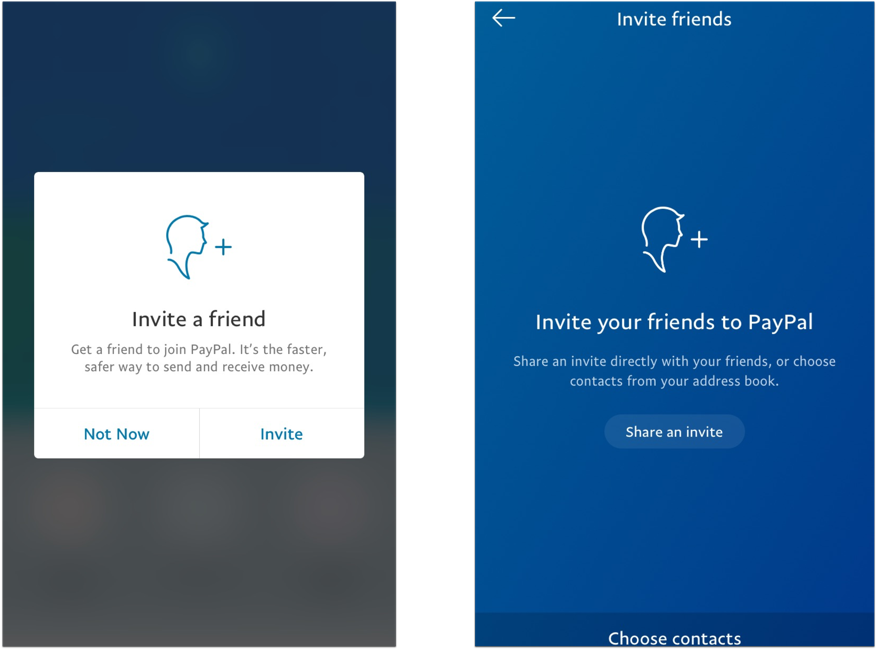 PayPal is known in the marketing industry as the original referral program. The fintech brand's highly successful referral campaign paid both the advocate and the new user cash, about $20 each in its early days, to join the app and transact. As this list of financial services referral programs details, that approach helped the platform grow from roughly 1 million to 5 million users, and every new member made the payment network more valuable. Takeaway: Cash works well when your product gains value as the network grows, and referrals can lower customer acquisition cost.
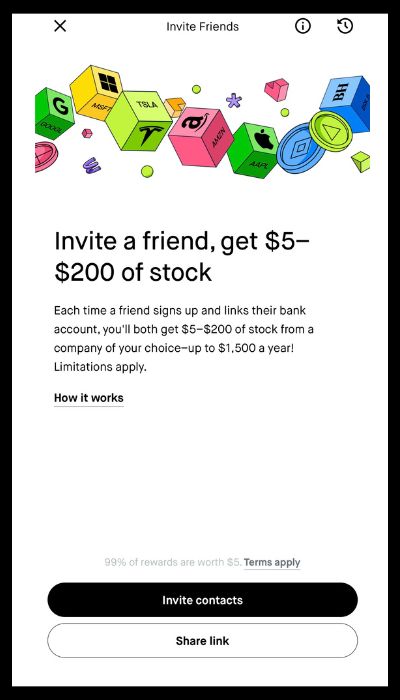 Robinhood rewards both parties with a free share of stock whose value varies. The element of surprise adds a bit of thrill that encourages people to keep sharing. Takeaway: A variable reward with a chance at a bigger prize can lift participation.
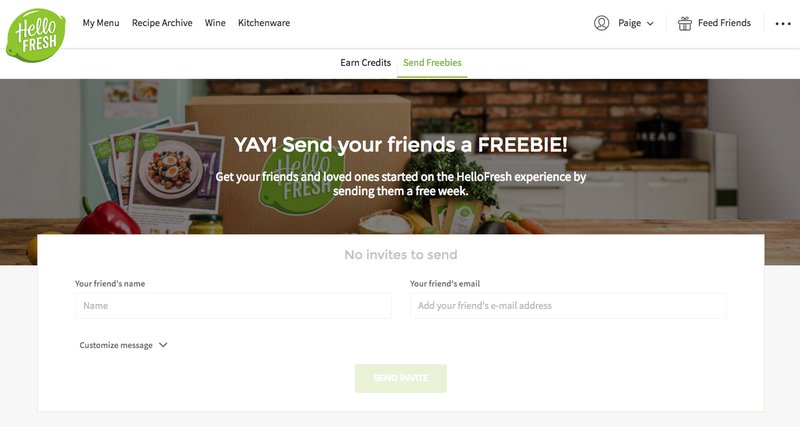 HelloFresh lets customers gift a free box or share a discount on a friend's first order. Giving people more than one way to share widens the program's reach. Takeaway: Offer a few sharing options so customers can pick the one that fits the moment.
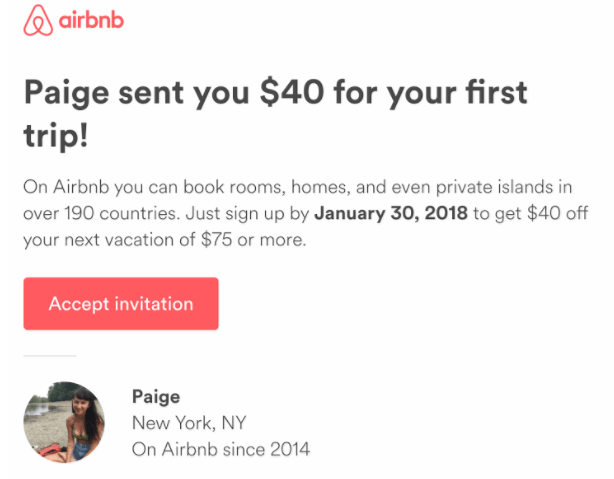 Airbnb gave friends credit toward a first trip and rewarded advocates after the friend actually traveled. Tying rewards to a real booking keeps the program healthy and aspirational. Takeaway: Reward on a genuine qualifying action, and make the reward feel worth sharing.
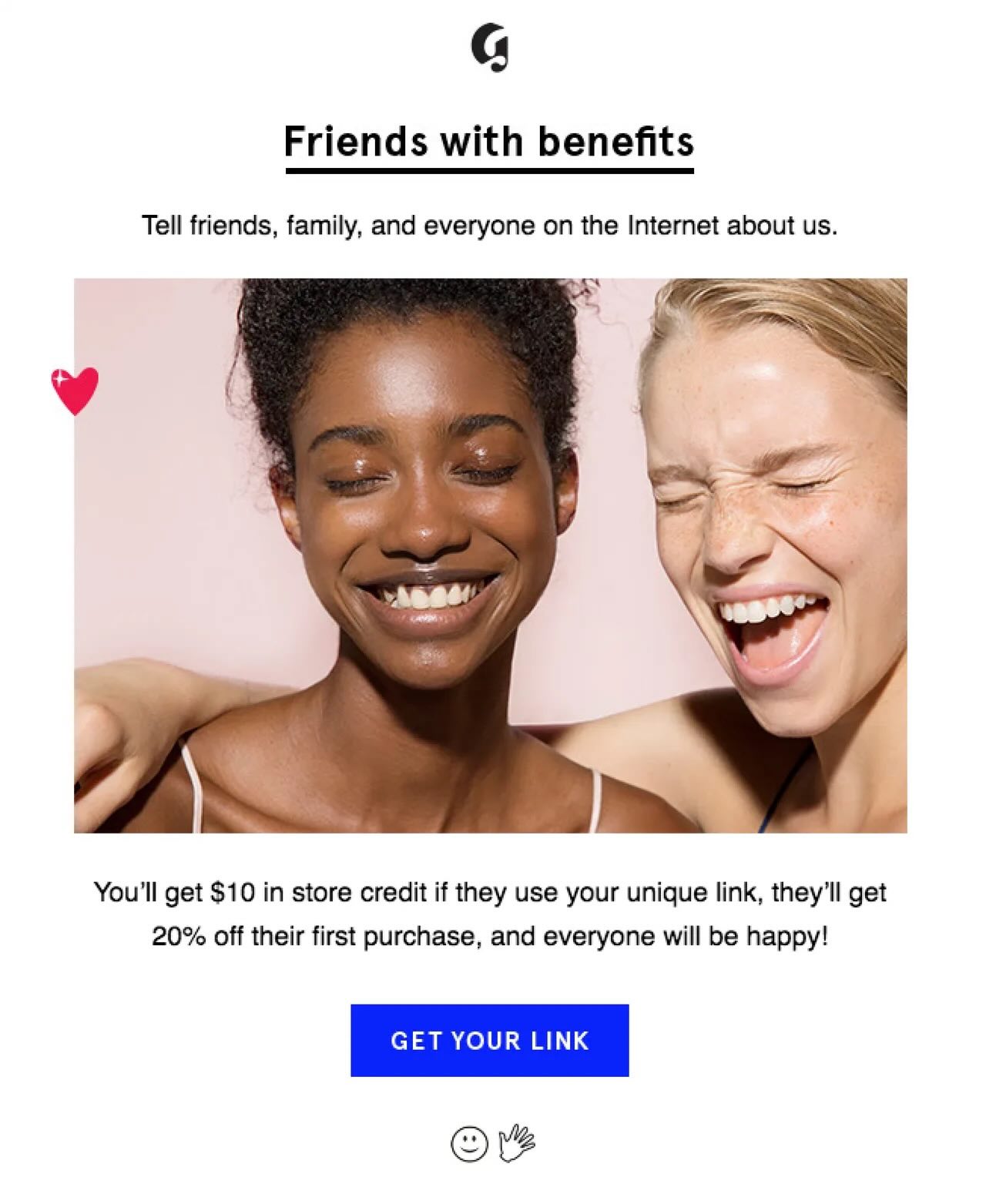 Glossier's referral program gave advocates store credit and offered referred friends a discount on their first purchase—the catch was that it had to be spent within a certain time window. Time-bound rewards add urgency while staying true to the brand's voice. The program helped Glossier become a staple among Gen Z and Millennial shoppers, as these referral program breakdowns show. Takeaway: A deadline encourages action, and an on-brand offer keeps the experience consistent.
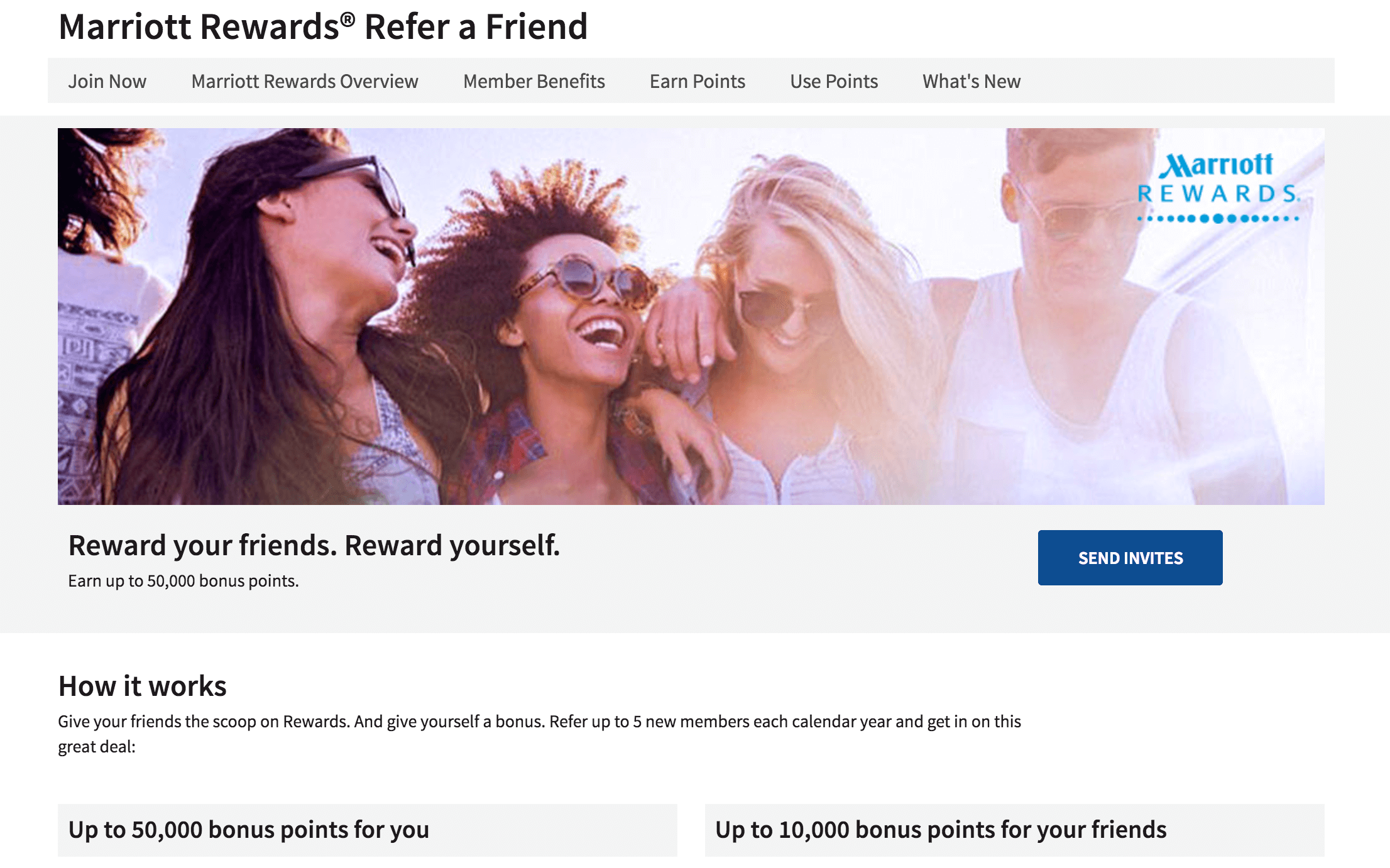 Marriott rewards referrals with loyalty points instead of discounts, linking the program to its broader loyalty ecosystem. Points encourage repeat stays and help protect margin. Takeaway: Points-based rewards can reinforce loyalty and preserve pricing.
Referral programs work because people trust people more than they trust paid advertisements—and there are decades of research backing this up. Nielsen's 2012 Global Trust in Advertising study found that consumers trust peer recommendations above all advertising, at 92%. Nielsen's 2021 study shows peer recommendations remain the most trusted channel, cited by 88% of consumers. McKinsey found that word-of-mouth drives purchases as the primary factor behind 20 to 50% of buying decisions. That influence is strongest for first-time and expensive purchases. Not only do referred customers cost less to acquire, but they also tend to spend more and stay longer. Research in the Journal of Marketing found that referred customers are more valuable: about 16% higher lifetime value and 18% lower churn at one German bank. The same Journal of Marketing study is directional, as its early margin edge faded within about 2.5 years while retention lasted. Extole's own platform data reinforces this pattern: based on a study of referral-funnel benchmarks from about 400 programs, the median advocacy rate for referred customers is 19%. Extole also finds that about 20% of advocates drive 80% of referrals—meaning nurturing top advocates matters just as much as engaging new ones.
Across these examples, a few shared traits stand out. The best programs tend to share five things:
| For teams weighing incentives, these personalized referral incentive ideas explain reward structures in depth, including why 78% of brands now use a two-sided model. Reward Type | Best-Fit Use Case |
|---|---|
| Cash | Fintech and high-value purchases |
| Store credit | Retail and ecommerce |
| Free product or service | Subscription and SaaS |
| Loyalty points | Travel, hospitality, and telecom |
| Gamified or variable | Apps that reward repeat sharing |
The right approach depends on your margins, audience, and goals. Use this four-step framework to start.
Extole is an enterprise offer management platform that powers referral, loyalty, and incentive programs. Its refer-a-friend software turns the tactics above into a running program you can personalize, target, and govern at scale. For example, Extole-powered referral results show that 60% of Policygenius referrals who had a free account went on to purchase a policy.
Together, these capabilities help teams launch faster, reward the right advocates, and protect margins as programs scale.
The best referral programs pair a valuable, on-brand reward with a sharing experience that feels effortless. Because referrals compound, a well-run program becomes a durable growth engine. Research in Harvard Business Review found referrals are contagious, with referred customers going on to refer 30 to 57% more new customers than others. Ready to build, optimize, or scale your program? Book a demo to see what you can create with Extole.
A successful referral program pairs a valuable, on-brand reward with a simple sharing experience. It also reaches the right advocates and pays out reliably on real actions.
A two-sided (or double-sided) incentive rewards both the advocate and the friend who accepts the referral. It is the structure most brands rely on today.
Match the reward to your margins and customer value so the payout stays profitable against your acquisition costs. Test a few amounts to find what motivates action.
Dropbox, PayPal, Robinhood, HelloFresh, Airbnb, Glossier, and Marriott each show a distinct reward model. Pick the one closest to your industry and margins.
Referrals can lower acquisition cost because your customers do the outreach instead of paid channels. Referred customers also tend to stay longer, which improves the economics.
Promote the program where customers already are, keep sharing simple, and remind them of the reward. Personalizing the offer to each audience also lifts participation.
They can, but the rewards do not have to match. Choose amounts that motivate each side while keeping the total profitable.
Referral programs fit retail, ecommerce, financial services, telecom, travel, and home services especially well. Any B2C brand with repeat customers is a good candidate.
Verify eligibility, confirm real qualifying actions, and use fraud controls before scaling. Reliable tracking keeps rewards accurate as volume grows. accurate as volume grows.

Credit unions are built on the trust of their member communities. As such, they are uniquely positioned to leverage the benefits of word-of-mouth growth by building an…

A referral channel is simply the pathway an existing customer uses to recommend your brand to a friend or family member. Each share channel behaves differently, and the most…

Referral tools reduce referral fraud by building security measures directly into their platform that identify and prevent suspicious activity at every stage of the referral…