
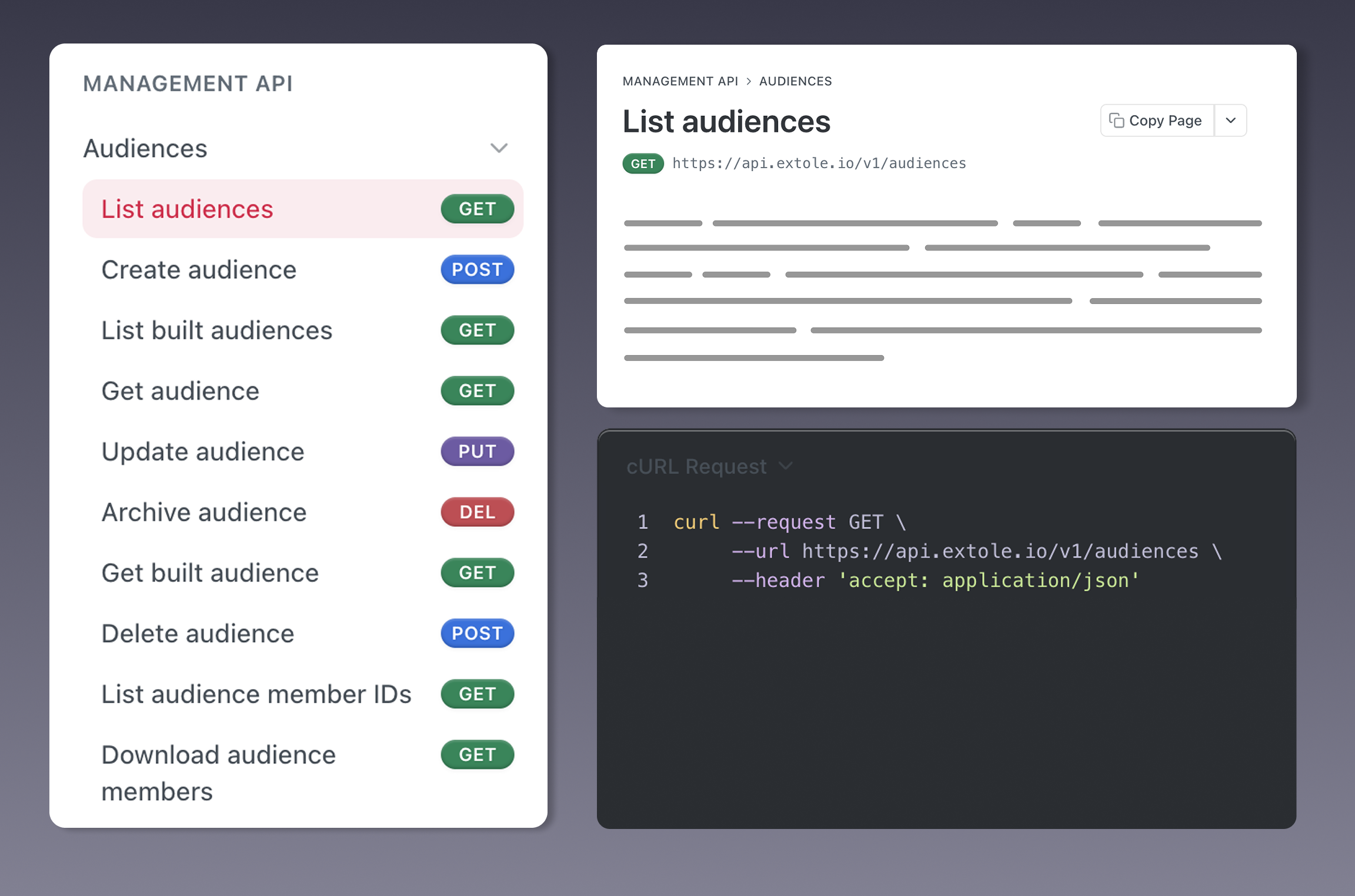

An offer program API is a programmatic interface that allows developers to build, manage, and automate customer offer and incentive programs directly within their own applications—handling everything from unique link generation to conversion tracking and reward distribution.
This guide covers Extole’s core API capabilities, authentication methods, integration patterns, and the developer tools that make referral, reward, incentive, and loyalty programs easier to implement and scale.
What is an offer program API
When you are running offer programs with Extole, the platform is handling a massive amount of data, events, and personas across a multitude of channels and systems. An API is the architecture that allows this information to flow between channels, triggering key program functions and providing valuable data for program management and optimization.
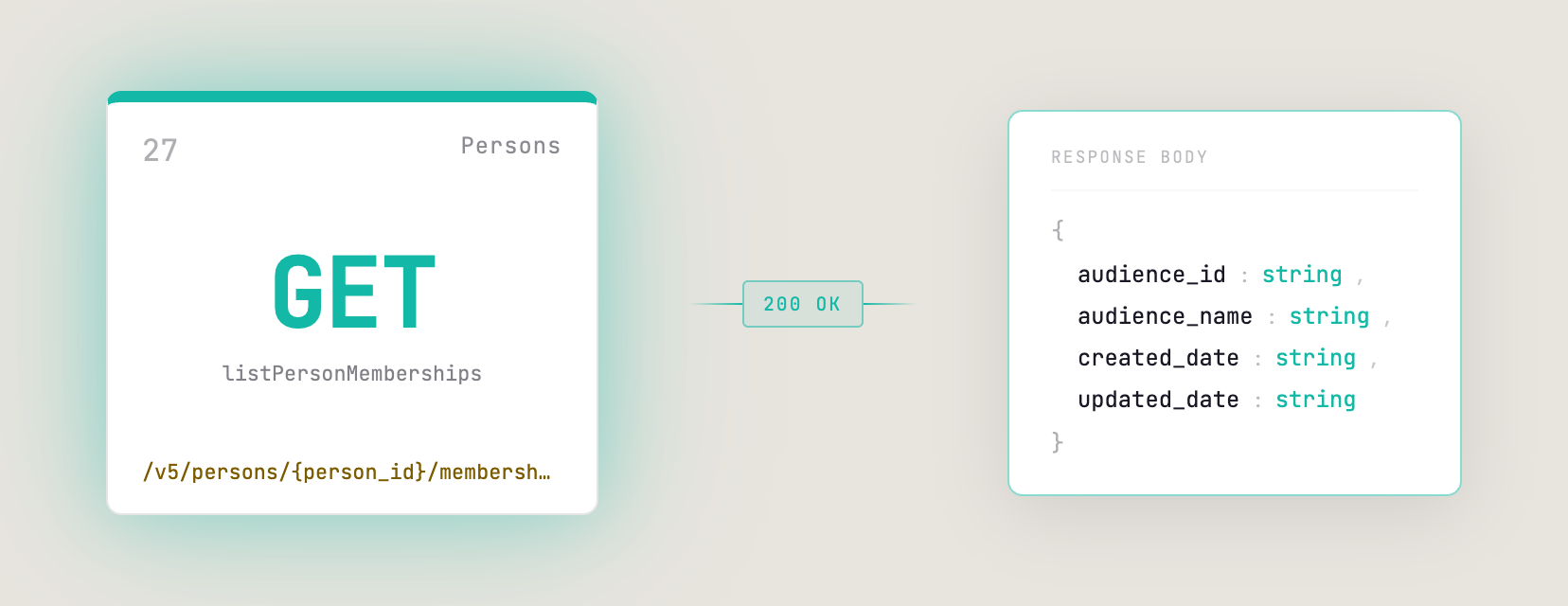
Think of it as the connective tissue between your product—your website, mobile app, or CRM—and an offer tracking engine. The API handles the heavy lifting: generating unique invite links, tracking when friends sign up or make purchases, and distributing rewards automatically.
What sets an API apart from a standalone marketing tool? Control. With direct API access, your team decides exactly how incentive functionality appears to customers, how data moves between systems, and when rewards get triggered. You’re not locked into someone else’s interface or workflow.
Here’s what an offer program API provides:
- Programmatic access: Your backend systems can create, update, and query referral data without anyone clicking buttons in a dashboard.
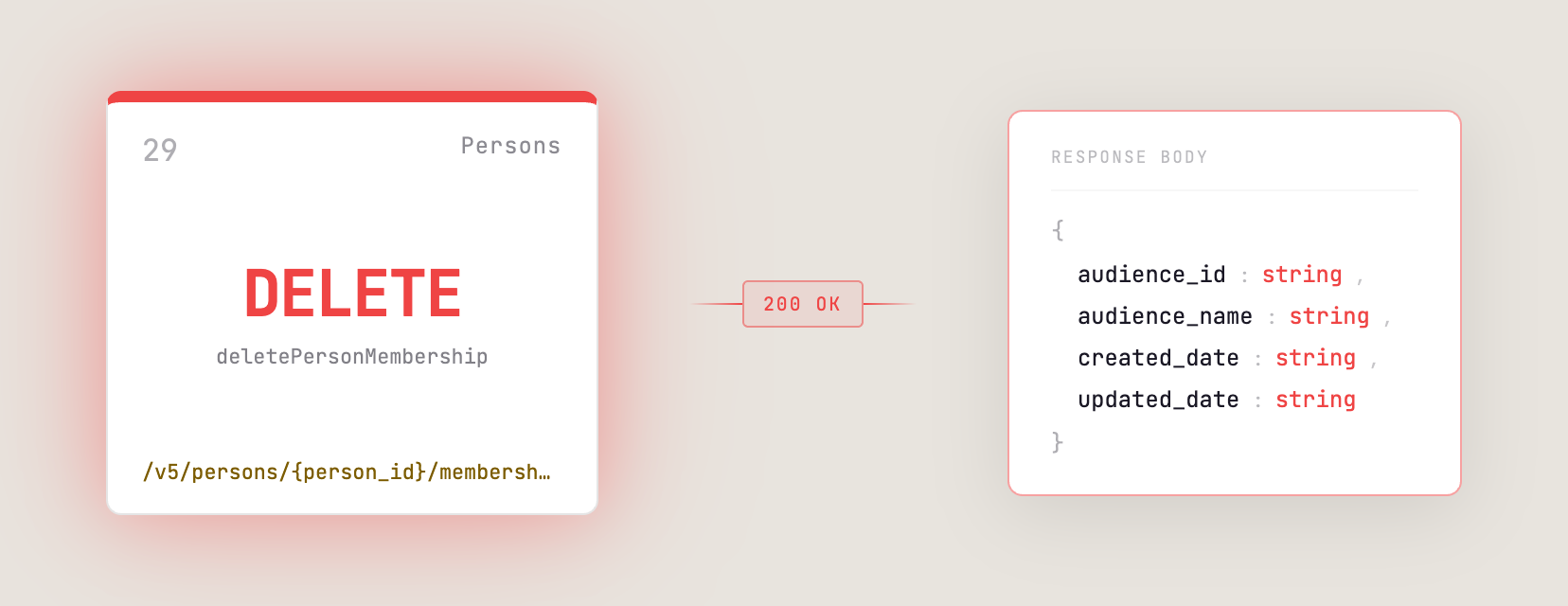
- Data retrieval: Pull information about advocates, customers, referred friends, reward statuses, and program performance whenever you want it.
- Automation: Trigger workflows instantly—like issuing a reward the moment a referred friend completes a purchase—rather than processing reward events by hand.
Core Extole API capabilities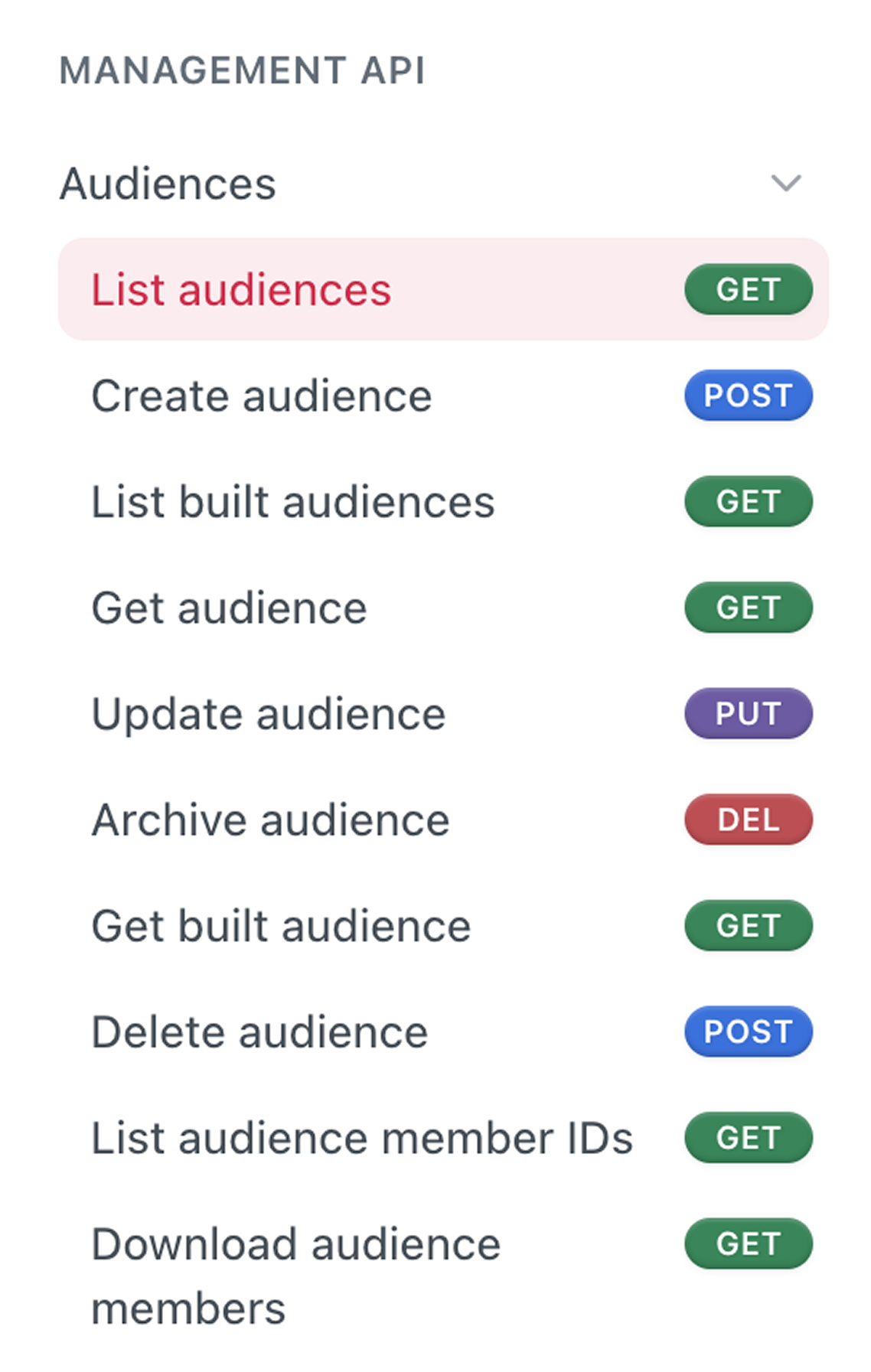
A well-designed offer program API gives your team the building blocks to create custom program logic. The capabilities below determine how much flexibility you have and how deeply your incentive programs can integrate with your existing systems.
Extole’s API capabilities are exposed across three REST APIs:
- Integration: Server to Extole. Called from a brand’s backend services, powering bulk data operations, person and reward management, event submission, and how offer programs render on the server-side.
- Integration: Consumer to Extole. Called from a brand’s website and native apps. Behind Extole JavaScript and mobile SDKs. It covers event submission, consumer profile/reward access, and zone rendering on the participant’s device
- Management API. For configuring the platform. Most operations available in the My Extole UI are also accessible here.
Events and triggers
Events are the customer actions that matter to your program: sharing a link, clicking through, signing up, or completing a purchase. Triggers are the rules that fire when those events occur, kicking off actions such as sending a notification or issuing a reward.
For example, when a referred friend makes their first purchase, that conversion event can automatically trigger a reward to the advocate who shared the link with no manual review or unwanted delay.
Audiences and segmentation
Extole’s management API powers audience segmentation so you can target specific customer groups with tailored offers.
Segmentation works for referred friends too. A first-time visitor might see a different welcome offer than someone who’s visited before but never converted.
Rewards and incentives
Through the API, you can configure reward types (gift cards, account credits, points), set conditional logic (earn $20 after your friend’s third purchase), and define delivery methods (email, in-app notification, direct deposit). This flexibility lets you design incentive structures that fit your business model rather than forcing your program into a rigid template.
Attribution and tracking
Offer program APIs attribute conversions to specific customer personas by tracking the customer journey from share to conversion. Unique referral codes or links persist across sessions and devices, so advocates get credit for the customers they bring in—even if the referred friend doesn’t convert right away.
Reporting and analytics
API endpoints for reporting let you pull performance data into your own dashboards and analytics tools. Common metrics include shares, clicks, conversions, reward costs, and program ROI. Having this data accessible via API means you can combine offer program performance with other business metrics for a complete picture.
Offer program API authentication
Secure access to your data starts with authentication. Different methods suit different use cases, and enterprise offer management platforms typically support several options.
API key authentication
An API key is a unique identifier passed with each request to verify that the caller has permission to access the API. This approach works well for server-side calls where the key stays secret. API keys are straightforward to implement, though anyone with the key has the same level of access.
Token-based access
OAuth or JWT (JSON Web Token) authentication provides more sophisticated access control. Tokens can be scoped to specific permissions and set to expire after a defined period. This approach is particularly useful when third-party systems or partners require limited access to your referral data.
Scoped permissions
Scoped permissions let you define exactly what each key or token can do: read-only access to reports, write access to create new advocates, or full administrative control. For enterprise teams managing multiple integrations, scoped permissions reduce risk by ensuring that each system accesses only what it requires.
Rate limits and scalability
Rate limiting controls how many API requests a client can make within a given time window. While this might sound restrictive, rate limits protect platform stability and ensure consistent performance for everyone.
- Thresholds: Limits like 100 requests per second or 10,000 requests per minute are common.
- Purpose: Rate limits prevent any single client from overwhelming the system and slowing things down for others.
- Designing for scale: Caching frequently accessed data, batching multiple operations into single requests, and building retry logic with exponential backoff all help you work within rate limits gracefully.
Enterprise-grade referral APIs are built to handle high-volume traffic—flash sales, viral campaigns—without performance issues.
Extole API rate limits
Extole applies two limits to the number of API requests a caller can make:
- 100 requests per minute per IP address or token.
- 10 requests per second per identified person.
For high volume event-ingesting, customers can use Extole’s asynchronous events endpoint which operates without rate limits.
Offer program API integration patterns
How you connect a referral API to your tech stack depends on your architecture and goals. Most teams use a combination of the patterns below.
Web and mobile applications
Embedding offer and incentive functionality directly into customer-facing experiences, like a “Share with friends” button in your app, creates a more seamless experience than pop-up windows. The API handles link generation and tracking behind the scenes while your UI stays consistent with your brand.
CRM and CDP connections
Syncing referral data with your customer relationship platform or customer data platform enriches customer profiles with advocacy behavior. You can see which customers are active referrers and factor that into segmentation and outreach.
Commerce and checkout systems
Integrating at the point of purchase allows referred friends to apply rewards automatically and ensures conversion events are captured accurately. This is especially valuable for ecommerce brands where the checkout experience directly impacts conversion rates.
Webhooks and real-time sync
Webhooks push data to your systems the moment an event occurs, rather than requiring you to poll the API for updates. This enables real-time notifications, instant reward fulfillment, and up-to-the-second reporting.
| Integration Type | Use Case | Data Flow |
|---|---|---|
| Web/Mobile | Embed sharing UI | Bidirectional |
| CRM/CDP | Enrich customer profiles | Referral → CRM |
| Commerce | Apply rewards at checkout | Bidirectional |
| Webhooks | Real-time event notifications | Referral → External |
Event tracking and real-time data
Extole’s APIs capture customer actions as events in real time, giving you immediate visibility into offer program activity. This is where the difference between basic link tracking and a true event system becomes clear.
Key event types include:
- Share events: When an advocate shares a referral link via email, social media, or direct message.
- Click events: When a friend engages with the link and lands on your site or app.
- Conversion events: When a referred friend completes a qualifying action—signing up, making a purchase, or activating an account.
Real-time event data lets you respond quickly, whether that means sending a thank-you message to an advocate or flagging unusual activity for review.
Rewards and fulfillment through the API
Managing the complete reward lifecycle through the API—from eligibility checks to delivery and audit—gives you control and transparency at every step.
Eligibility and authorization
Before issuing a reward, the API evaluates whether the participant qualifies based on your program rules. Did the referred friend meet the minimum purchase threshold? Is this the advocate’s first successful referral this month? These checks happen automatically.
Reward delivery and settlement
Once authorized, rewards are issued through your configured delivery method. This might mean generating a gift card code, crediting an account balance, or adding points to a loyalty program. Settlement workflows handle the financial side—reconciling reward costs and tracking payouts.
Audit trails and compliance
Every reward decision is logged, creating a complete audit trail. This transparency is essential for financial services, healthcare, and other regulated industries where compliance documentation is required.
Fraud prevention and program integrity
Referral fraud—self-referrals, fake accounts, coordinated abuse—can undermine program economics. A robust referral API includes built-in controls to detect and prevent fraudulent activity before it impacts your bottom line.
Common fraud prevention mechanisms include:
- Duplicate detection: Identifying when the same person attempts to participate multiple times under different identities.
- Velocity checks: Flagging unusual spikes in activity, like an advocate generating dozens of referrals in minutes.
- Device and identity signals: Verifying participant legitimacy through device fingerprinting, email validation, and behavioral analysis.
Extole’s platform includes fraud controls as part of its core infrastructure, protecting program integrity without requiring custom development.
SDKs and developer tools
While direct API access offers maximum flexibility, SDKs and developer tools simplify common tasks and speed up implementation.
Web and mobile SDKs
Pre-built components for embedding referral experiences—share buttons, reward displays, referral dashboards—reduce development time. SDKs handle authentication, error handling, and UI rendering so your team can focus on customization rather than plumbing.
CLI access
Command-line interface tools support local development, testing, and automation. Developers can create test advocates, simulate events, and validate integrations without touching production data.
AI-readable documentation
Structured documentation designed for both human developers and AI agents to parse makes it easier to build integrations quickly. This is increasingly important as teams adopt AI-assisted development workflows.
When to use an API platform to manage offer programs
Building offer and incentive program infrastructure from scratch is possible, but it requires significant investment in development, maintenance, and ongoing optimization. An offer program API platform makes sense in several scenarios:
- Complex eligibility rules: Your program involves multi-step or conditional reward logic that would be difficult to build and maintain internally.
- Enterprise integrations: You want programs connected across CRM, CDP, commerce, and analytics systems.
- Fraud and compliance requirements: You operate in an industry where built-in controls and audit trails are essential.
- Speed to market: You want to launch programs quickly without having to build infrastructure from scratch.
Extole’s platform addresses each of these scenarios with configurable, developer-ready infrastructure that scales with your program.
Getting started with Extole’s offer program API
Extole provides expanded APIs, SDKs, CLI tools, and AI-readable documentation designed for enterprise teams building sophisticated referral and incentive programs. The platform combines developer flexibility with marketer-friendly tools, so both technical and business teams can contribute to program success.
Whether you’re launching your first offer program or modernizing an existing one, Extole’s infrastructure supports deep integrations, real-time event tracking, and built-in fraud prevention.
Request a demo to see how Extole’s offer program API can support your customer-led growth strategy.
FAQs about offer program APIs
What data can I access through an offer program API?
A referral API typically provides access to participant profiles, referral relationships, event histories, reward statuses, and program performance metrics. The specific endpoints available depend on the platform, but most enterprise solutions offer comprehensive data access for reporting and integration purposes.
How do offer program APIs differ from affiliate tracking APIs?
Offer program APIs support a large range of customer incentive programs such as referrals, loyalty, rewards, ambassadors, and more. Affiliate APIs focus on managing relationships with external publishers and commission-based partnerships, which involve different tracking, attribution, and payout models.
Can I use an offer program API without an SDK?
Yes, you can make direct REST API calls without an SDK. SDKs simplify integration by handling authentication, error handling, and common workflows, but they’re optional. Teams with specific requirements or existing infrastructure often prefer direct API access.
How do APIs handle multi-touch attribution in offer programs?
Most APIs support configurable attribution models that credit the appropriate advocate when a referred friend interacts with multiple touchpoints before converting. You can typically choose between first-touch, last-touch, or custom attribution rules based on your program design.