


With Gen Z making up only 10% of all credit union members, capturing the attention–and business–of this young generation has become a top priority for credit unions as they consider long-term growth. The teens and young adults born between 1997 and 2012 are quickly becoming a very powerful generation of consumers; in fact, 2025 data from Nielsen projects that Gen Z spend will reach $12.6 trillion by 2030. Capturing this lucrative market means creating a banking experience that truly resonates with young people and their unique needs.
What Gen Z Wants from Their Credit Union Banking Experience
Gen Z wants banking experiences that are convenient and digital forward, with an authentic human touch that shows their financial institution understands them and their financial goals. Here’s what the research is saying about their financial habits:
Gen Z Thinks Differently from Their Parents
Even if they start out using the same bank as their parents, Gen Z is not afraid to shop around to find the best fit. According to new research from Velara, 60% of Gen Z believe they have a different approach to finances from their parents. Part of this is due to their perceived financial circumstances–the same study also found that an overwhelming majority of Gen Z (72%) believe they face challenges other generations did not, and that these challenges have directly impacted their finances.
Gen Z Looks to Influencers for Financial Advice
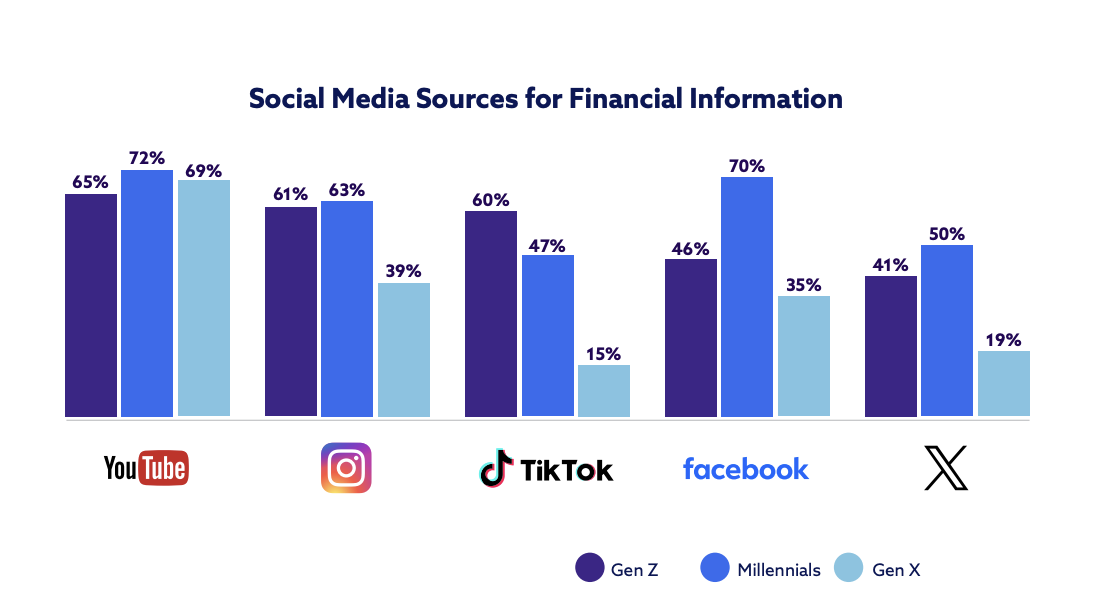
There is a notable willingness amongst Gen Z to seek out financial advice, particularly from real people who they believe can empathize with the struggles many young people face. Just as online influencers have taken over the fashion, music, and social media industries, “finance” or “money” influencers are increasingly dominating the financial conversations young people are having. On YouTube, TikTok, and Instagram, internet personalities like Graham Stephan have amassed millions of followers by producing content about budgeting, investing, the economy, and more. Velara’s study revealed that over 60% of Gen Z respondents had been to social media for financial advice, a trend that is tied to that generation’s desire for authenticity and “realness.”
Gen Z Wants Digital Experiences but Human Support
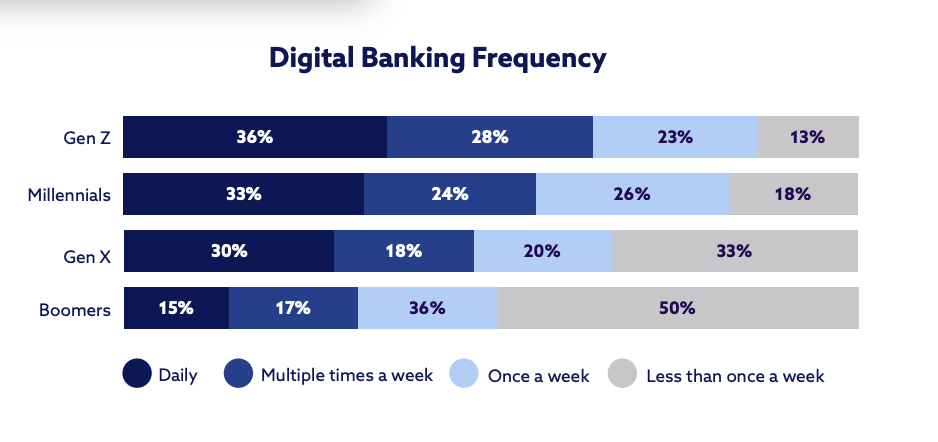
Not surprisingly, as a generation of digital natives, Gen Z expects seamless, embedded digital experiences and a high level of functionality from their banking app. 36% of Gen Z engage with a digital banking product daily, and a staggering 87% do so at least once a week. When surveyed, an overwhelming majority agreed that they like to use mobile services for budgeting, tracking spending, and tracking subscriptions. On the other hand, there are certain activities that Gen Z would actually prefer to have a human element, like customer service interactions, or even receiving financial advice from their bank.
Gen Z is Financially Flexible
Gen Z doesn’t feel locked in to old financial habits; if they see a reason to take their money elsewhere, they won’t hesitate. Indeed, they are 2x as likely to leave a financial institution than Millennials or Gen X, suggesting a high level of flexibility and openness when it comes to financial decision making.
Taken together, these findings suggest that Gen Z wants a bank or credit union attuned to their financial needs, with a high level of digital capabilities and an authentic, human presence. It also makes it clear that they are willing to try new banking products and services, especially when they come recommended by those in the know. It is this flexibility and openness that makes Gen Z a valuable audience for influencer and referral programs, especially when they have the right messaging and incentives. Here’s how:
Credit Union Marketing: How to Reach Gen Z With Influencer and Referral Programs
1. Court Gen Z Credit Union Members With a Tailored Influencer Program
A guaranteed way to reach a Gen Z audience is by working with the growing number of finance influencers young adults are tuning in to on YouTube, TikTok, and Instagram. Accounts like Taylor Price, @pricelesstay on Instagram, brand themselves as “Gen Z Money Experts” and have amassed hundreds of thousands of followers who are looking for both guidance and relatability.

Most of these accounts make their money from collaborations with relevant brands, including banks, credit unions, and neo-banks. One of @pricelesstay’s most recent sponsored posts, a 5-second reel, featured an American Express credit card along with a tongue-in-cheek caption that references her relatable “addictions” to traveling and ordering takeout. The message is sure to resonate with her followers, whose financial priorities are also more likely to revolve around food and travel than, say, home loans or retirement savings.
If you’re considering an influencer program to attract younger members, consider these best practices:
- Align the influencer’s audience with your target audience. Not all content creators cater to a younger demographic; influencers like @ErinTalksMoney on YouTube primarily cover topics like retirement and social security, topics that Gen Z likely doesn’t seek out. Find those who make content that resonates with teens and young adults.
- Craft messaging that matches each influencer’s unique tone–some, like @pricelesstay, make trendy short-form reels in an informal tone, while others like Ramit Sethi (@ramit on Instagram) have a more strictly educational video style. Your tone and content should blend with the creator’s, not stand out as either “trying too hard,” or sounding too corporate.
- Sponsored content on social media doesn’t always have a clear ROI–but it can if you track performance with customized influencer links that give you insight into exactly how the promotion impacts your bottom line, from clicks to shares to conversions.
2. Elevate Your Credit Union Referral Program With Gamified Rewards for Young Members
Gen Z enjoys being entertained as much as they enjoy being rewarded–capitalize on both with a gamified or tiered incentive system that keeps them engaged beyond the first touch. Top fintech brands like Robinhood and Coinbase got their start with viral, gamified referral programs that captured audiences’ attention. Robinhood offered a free stock to advocates and their referred friends for every successful referral.
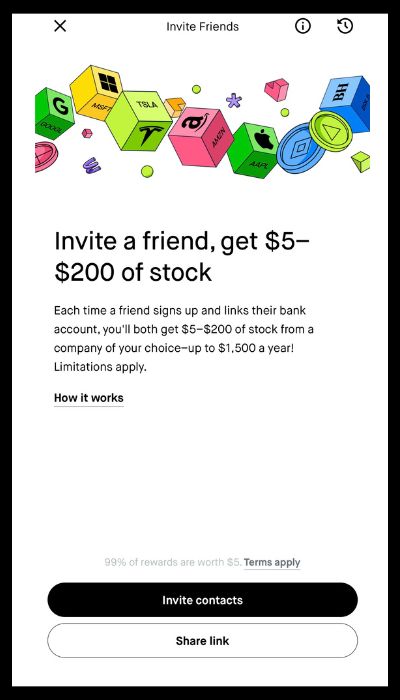
The catch? The stock value, anywhere from $5 – $200, was a “mystery” you could only unlock by completing the referral. The excitement of receiving the $200 alone was enough to motivate repeated referrals, even though most users ended up with rewards at the lower end of the spectrum.
For CUs with more standard services, an alternative to Robinhood’s mystery stock reward might look like tiered rewards for young members so they earn more the more they deposit, or the more banking products they engage with. Gen Z is already tech savvy and curious to learn more about their bank’s product offerings, so a monetary reward could push them to explore deeper engagement with the institution. You can even plan limited-time reward bursts around key moments like “back-to-school”, where successful referrals earn double rewards.
Best Practices for implementing a tiered or gamified credit union reward system:
- Make it easy to earn. A high barrier to entry, like a requirement that new accounts deposit $500 to earn a reward, for example, might prevent younger members from participating or converting. Also be sure to clarify each step to earning a reward so referred friends don’t get confused and abandon the process.
- Give more rewards for more actions. Let small actions like signing up for a mailing list be points-earning opportunities, too.
- Identify top advocates and give them special opportunities. If a specific younger member is a prolific advocate, take their rewards a step further by giving them a special opportunity to earn double rewards, or even making them into an “ambassador” with a multi-use code for sharing en masse.
3. Allow Special “rule-bending” to encourage teen accountholders
One barrier to reaching younger members are the regulations most CUs have in place regarding accountholder age. If you typically don’t allow <18 members to open their own accounts, consider putting a special program in place to address this market safely, and with parental supervision. Run a teen refer-a-friend program specifically for teens to refer their friends, or for parents to refer their kids, and remove typical age-limit barriers.
Frame this as a learning opportunity for young members–not just a growth opportunity for your institution. If you don’t typically cater to teen members, adjust your program to suit their unique needs–give them rewards for saving money for college, earning their first paycheck, or even setting up an appointment with a financial advisor. Lower account qualifications like minimum deposits to align with teens’ more limited financial abilities.
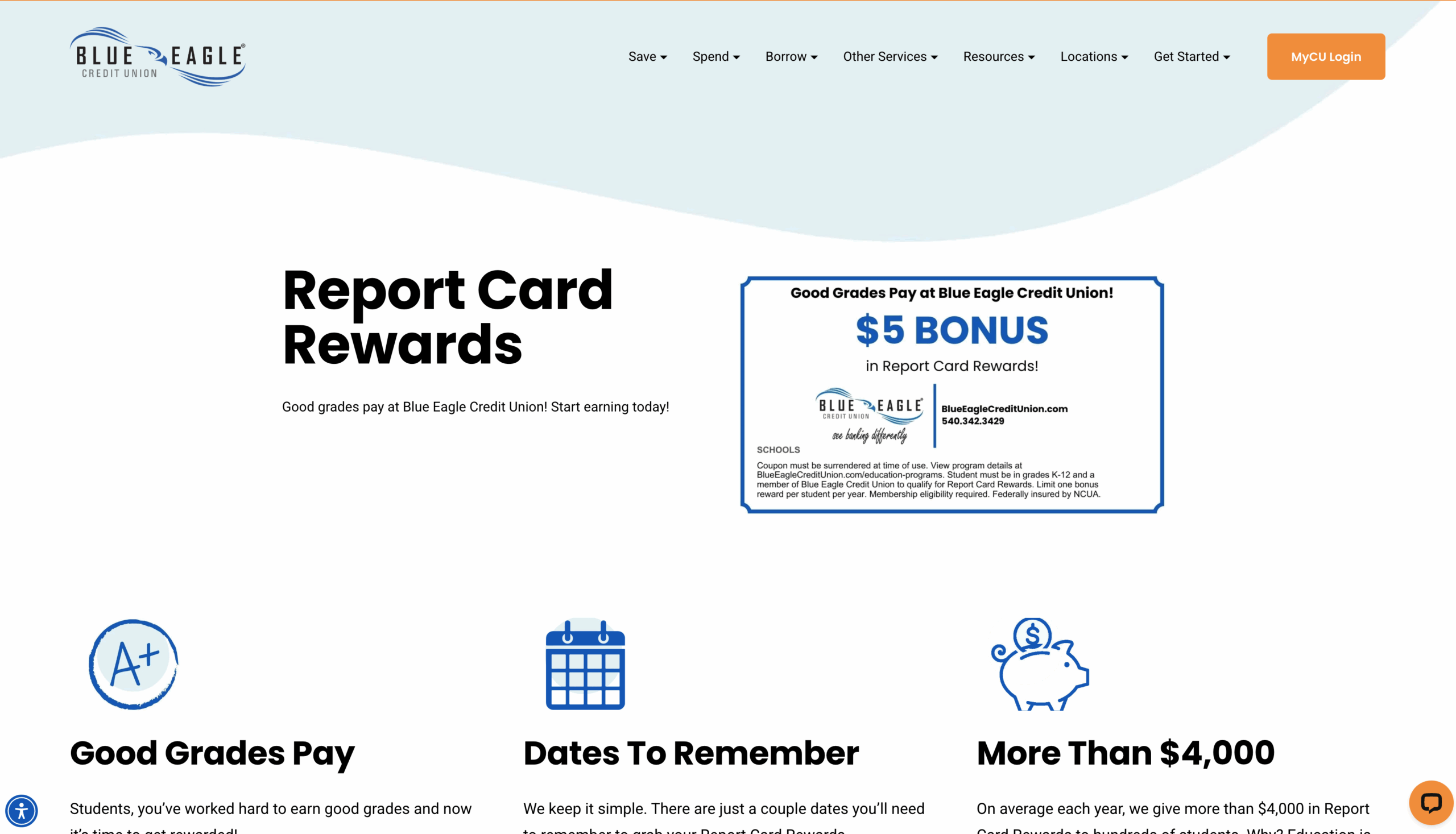
Blue Eagle Credit Union takes an inspired approach to youth reward programs with their report card reward system, where young accountholders can earn cash rewards for every “A” they receive in school. This program makes Blue Eagle approachable to younger members of Gen Z, who are more fluent in the language of school and grades than finance and banking.
If you want to run a teen-specific referral program, here are some best practices:
- Design a separate referral experience the whole way through, from promotional placements to landing pages, to account opening. Make the language easy to understand for a high schooler with limited financial knowledge, but provide enough information that a parent can feel comfortable and informed.
- Make rewards easy and automated. Apply cash rewards directly to users’ accounts; don’t give young people several complicated hoops to jump through when making an account or accessing a reward, as they are more likely to abandon the process if they are confused or uninterested.
- Promote your program in the right places, where young people are. When your typical member doesn’t frequent Instagram, it makes sense to prioritize email and on-site promos. On the other hand, Gen Z is more likely to see your program on a social media site, either through organic posts, paid ads, or influencers.
Conclusion: Turning Gen Z Into Lifelong Members with Extole
Credit unions that want to grow with Gen Z need to meet them where they are: online, mobile, and tuned into communities of trust. This generation is financially flexible, socially connected, and eager to embrace new products and services that feel authentic and relevant. By combining influencer partnerships with creative referral programs, credit unions can transform awareness into meaningful engagement.
That’s where Extole comes in. As the leading referral and engagement platform, Extole helps credit unions design programs that resonate with Gen Z—whether through gamified rewards, teen-specific referral experiences, or influencer-driven campaigns that feel natural, not corporate. With powerful tracking, customizable incentives, and a proven ability to turn members into advocates, Extole makes it possible to build long-term relationships with Gen Z while fueling sustainable credit union growth.
Book a demo to see how Extole can help your credit union reach more Gen Z members.
FAQs
Why is Gen Z important for credit union growth?
Answer: Gen Z makes up just 10% of credit union members today, but their spending power is projected to reach $12.6 trillion by 2030—making them a critical audience for long-term growth.
What do Gen Z members want from their credit union?
Answer: Gen Z wants digital-first, convenient banking experiences combined with authentic, human support. They also value transparency and trust from their financial institution.
How can influencer marketing help credit unions attract Gen Z?
Answer: Gen Z trusts influencers for financial advice. Partnering with money influencers on TikTok, Instagram, and YouTube allows credit unions to build credibility and reach this audience authentically.
What are the best credit union marketing ideas for Gen Z?
Answer: Gen Z responds well to gamified, tiered rewards and programs that make sharing fun. Incentives like mystery rewards, double points during key events, or teen-specific programs help boost participation.
How can credit unions engage Gen Z teens under 18?
Answer: By creating special teen referral programs with parental oversight, lowering account barriers, and offering rewards tied to school achievements or saving goals, credit unions can engage Gen Z early.
How does Extole help credit unions reach Gen Z?
Answer: Extole powers referral and loyalty programs that resonate with Gen Z through gamification, influencer tracking, and customizable incentives, helping credit unions turn young members into lifelong advocates.