Blog
Customer EngagementOffer Management
What Is a Digital Rewards Platform and How Does It Work
Courtenay Roche


Products
Enterprise platform
Platform features
Acquisition programs
Retention programs
Learn
Resources
Developers
Documentation
SDKs & GitHub
Blog
Courtenay Roche
A digital rewards platform is software that enables businesses to create, manage, and deliver electronic incentives—like e-gift cards, cashback, points, and discount codes—across referral programs, loyalty programs, welcome offers, and promotional campaigns. Rather than manually tracking who earned what or cobbling together separate tools for each program type, a digital rewards platform handles the entire lifecycle: determining eligibility, authorizing rewards, fulfilling them instantly, and logging every decision for reporting. This guide covers how these platforms work, the types of rewards you can deliver, key features to evaluate, and how to choose the right platform for your business.
A digital rewards platform is software that helps businesses create, deliver, and track electronic incentives like e-gift cards, cashback, points, or discount codes. Think of it as the infrastructure behind referral programs, loyalty programs, welcome offers, and promotional campaigns—all in one place. What makes a digital rewards platform different from, say, manually emailing gift cards or using a basic coupon tool? Automation and intelligence. The platform handles the entire reward lifecycle: figuring out who qualifies, what they earn, and how they receive it. You set the rules once, and the system takes care of the rest. Here's what a digital rewards platform typically handles:
Behind the scenes, a digital rewards platform follows a clear sequence. Once you understand this flow, you'll see how customer actions turn into delivered incentives without anyone manually processing requests.
Everything starts with an event. A customer completes a purchase, refers a friend, signs up for an account, or leaves a review. The platform captures this action and records it as a trackable event.
Next, the platform checks whether the customer qualifies for a reward. Eligibility rules can be straightforward (first-time buyers only) or layered (customers in a specific segment who referred someone who made a purchase over $50). The platform runs through the logic in real time.
If the customer passes eligibility checks, the platform determines which reward to issue. This might be a $10 e-gift card, 500 loyalty points, or a personalized discount code, depending on how the program is configured.
Fulfillment happens automatically. The reward reaches the customer through their preferred channel: email, SMS, in-app message, or directly into a mobile wallet like Apple Wallet or Google Wallet. No manual steps required.
Finally, the platform logs every step. Who earned the reward? What triggered it? When was it delivered? This data feeds into dashboards and reports, making it easier to measure ROI and spot opportunities for improvement.
Digital rewards platforms support a range of incentive formats. The right choice depends on your program goals, audience preferences, and what you're operationally set up to deliver.
E-gift cards remain one of the most popular digital rewards, with the market growing at 17% CAGR. Recipients can redeem them at specific retailers or choose from a catalog of brands. They're flexible, easy to deliver, and feel like a tangible reward even though they arrive electronically.
Cashback rewards deposit money directly into a customer's account or onto a prepaid card. Financial services companies often use cashback for referral programs and account-opening bonuses because the reward feels immediate and valuable.
Points-based systems let customers accumulate value over time and redeem it later. This format encourages repeat engagement and gives you flexibility in how rewards are structured. Customers might earn points for purchases, referrals, or completing specific actions.
Single-use or personalized discount codes are easy to generate and track. They work well for welcome offers, cart abandonment recovery, and promotional campaigns. Because each code is unique, you can attribute redemptions back to specific customers or campaigns.
Some programs offer non-monetary rewards like donations to a charity of the customer's choice or access to exclusive experiences. For values-driven audiences, charitable giving options can resonate more strongly than a gift card.
| While most rewards are digital, some platforms also support physical fulfillment for high-value programs. Branded merchandise or premium gifts can work well for ambassador programs or milestone rewards. Reward Type | Common Use Case | Typical Delivery Method |
|---|---|---|
| E-gift card | Referral reward | Email or in-app |
| Cashback | Account opening | Direct deposit or prepaid card |
| Points | Loyalty program | Account balance |
| Discount code | Welcome offer | Email or checkout |
| Donation | Values-based program | Automatic fulfillment |
Why invest in a platform rather than building reward infrastructure in-house or managing incentives manually? The benefits span operations, customer experience, and growth.
Digital delivery is instant. Customers receive their reward seconds after qualifying, which reinforces the positive behavior you're trying to encourage. When someone refers a friend and sees the reward hit their inbox immediately, that experience sticks.
A good platform lets you tailor rewards based on who the customer is and what they've done. You might offer a different incentive to a first-time buyer than to a loyal advocate. Or you might adjust rewards by segment, geography, or channel. Personalized incentives lift revenues by 5 to 15 percent and feel relevant rather than generic.
Building reward infrastructure from scratch means handling events, eligibility logic, fraud prevention, fulfillment, and reporting. A platform provides this infrastructure out of the box, freeing your team to focus on program strategy rather than plumbing.
Enterprise platforms include built-in verification, eligibility checks, and abuse detection. This protects your incentive budget and ensures rewards go to legitimate recipients. Without these controls, reward programs can become targets for fraud—Thomson Reuters Institute estimates global rewards fraud losses at $1 billion to $3 billion annually.
Every reward decision is tracked and attributed. You can see which programs drive the most conversions, which rewards resonate, and where customers drop off. This visibility makes optimization possible.
Not all platforms offer the same capabilities. When evaluating options, focus on features that matter for your specific program complexity and scale.
Look for flexibility in how you define rules, reward types, and program structures. Template-based tools can get you started quickly, but they often fall short when your business requires unique audiences, multi-step eligibility, or custom reward logic. The more configurable the platform, the more closely your programs can match how your business actually works.
The platform uses customer data and behavioral events to determine who qualifies for which rewards. This enables personalization and prevents rewards from going to the wrong recipients. For example, you might want to reward only customers who've been members for 90 days, or only those who referred someone in a specific product category.
Fraud prevention is essential for any program involving real financial value. Look for identity verification, event validation, and behavioral analysis built into the platform. These controls catch abuse before rewards go out the door.
Your rewards platform will connect to your existing systems: CRM, CDP, commerce platform, banking app, or messaging tools. Developer-ready APIs and SDKs make these integrations smoother. If your team includes developers or uses AI-assisted workflows, look for CLI access and AI-readable documentation as well.
Modern platforms increasingly support AI-assisted program setup and operations. This can accelerate configuration while preserving the deterministic execution and auditability that live incentive programs require.
Every reward decision gets logged and traced. This matters for optimization, compliance, and financial controls. If you can't see what happened and why, you can't improve.
Tip: When comparing platforms, ask how they handle edge cases. What happens when a customer qualifies for multiple offers simultaneously? Or when a referral spans online and offline touchpoints? The answers reveal how configurable the platform really is.
Digital rewards platforms serve a wide range of industries. Here's where they're commonly deployed and what programs look like in practice.
Referral programs, welcome offers, loyalty rewards, and post-purchase engagement campaigns are all common. Brands use digital rewards to drive repeat purchases and turn customers into advocates. A retailer might offer a $15 gift card for every successful referral, or bonus points for leaving a product review.
Account-opening bonuses, referral rewards, and embedded incentives within digital banking apps help financial institutions acquire high-quality new accounts and deepen relationships with existing members. Some platforms integrate directly with digital banking solutions to embed referrals into the mobile banking experience.
Customer referral programs, upsell incentives, and field employee or property manager programs help telecom companies drive new business and reduce churn. Mobile apps can empower field teams to capture referrals on the go with personalized links and QR codes.
Loyalty programs, booking incentives, and targeted offers encourage repeat bookings and reward high-value travelers. Digital rewards platforms pair configurable online and in-app programs with rich targeting to reach the right customers at the right moment.
Referral and reward-for-action programs help home services brands and franchisors generate leads and encourage specific customer behaviors across multiple locations. A wide range of reward types can encourage the next action, whether that's booking a service or completing a survey.
Digital loyalty cards are mobile-based stamp or points cards stored in Apple Wallet, Google Wallet, or a brand's app. They replace paper punch cards with a more convenient, trackable alternative. Within a broader digital rewards platform, digital loyalty cards are one program type you can power. The platform handles the underlying infrastructure: tracking visits, issuing stamps or points, and triggering rewards when thresholds are met.
Selecting a platform is a strategic decision. Here's a practical framework for evaluation.
Start by defining what you want to achieve: customer acquisition, retention, advocacy, or something else. Then identify which reward types fit those goals. A referral program might call for e-gift cards, while a loyalty program might work better with points.
Assess whether the platform supports your unique rules, audiences, and customer journeys. If your programs are more complex than a standard referral template, configurability matters. Ask whether you can build around your own events, eligibility logic, and reward structures.
Confirm the platform connects to your existing systems via APIs and SDKs. If your team includes developers or uses AI-assisted workflows, look for CLI access and AI-readable documentation. The easier the integration, the faster you can launch.
Ensure the platform has verification, eligibility checks, abuse prevention, and audit trails. These controls protect your incentive budget and your brand.
Verify you can track program performance, reward status, and customer behavior. Clear reporting is essential for optimization and demonstrating ROI.
Extole is an enterprise offer management platform that powers referral, loyalty, promotional, and reward-for-action programs with configurable logic, trusted fulfillment, and AI-accessible infrastructure. Leading B2C brands use Extole to build personalized incentive programs that drive acquisition, engagement, and advocacy across the customer lifecycle. Request a Demo
A digital rewards platform provides infrastructure to create, personalize, and deliver many types of incentive programs, including loyalty, referral, promotions, and welcome offers. A loyalty platform typically focuses only on points-based or membership programs. The broader platform gives you more flexibility to run different program types from one place.
Yes, many digital rewards platforms support internal and partner incentive programs. Brands can reward employees, field teams, or channel partners for driving referrals or completing key actions. The same infrastructure that powers customer programs can extend to internal audiences.
Enterprise platforms use eligibility verification, identity checks, event validation, and behavioral fraud detection to prevent abuse. These controls ensure only qualified recipients receive rewards and protect your incentive budget from bad actors.
Tax treatment varies by reward type, value, and jurisdiction. Many platforms provide reporting features to support compliance, though brands typically consult tax professionals for specific guidance on their programs.
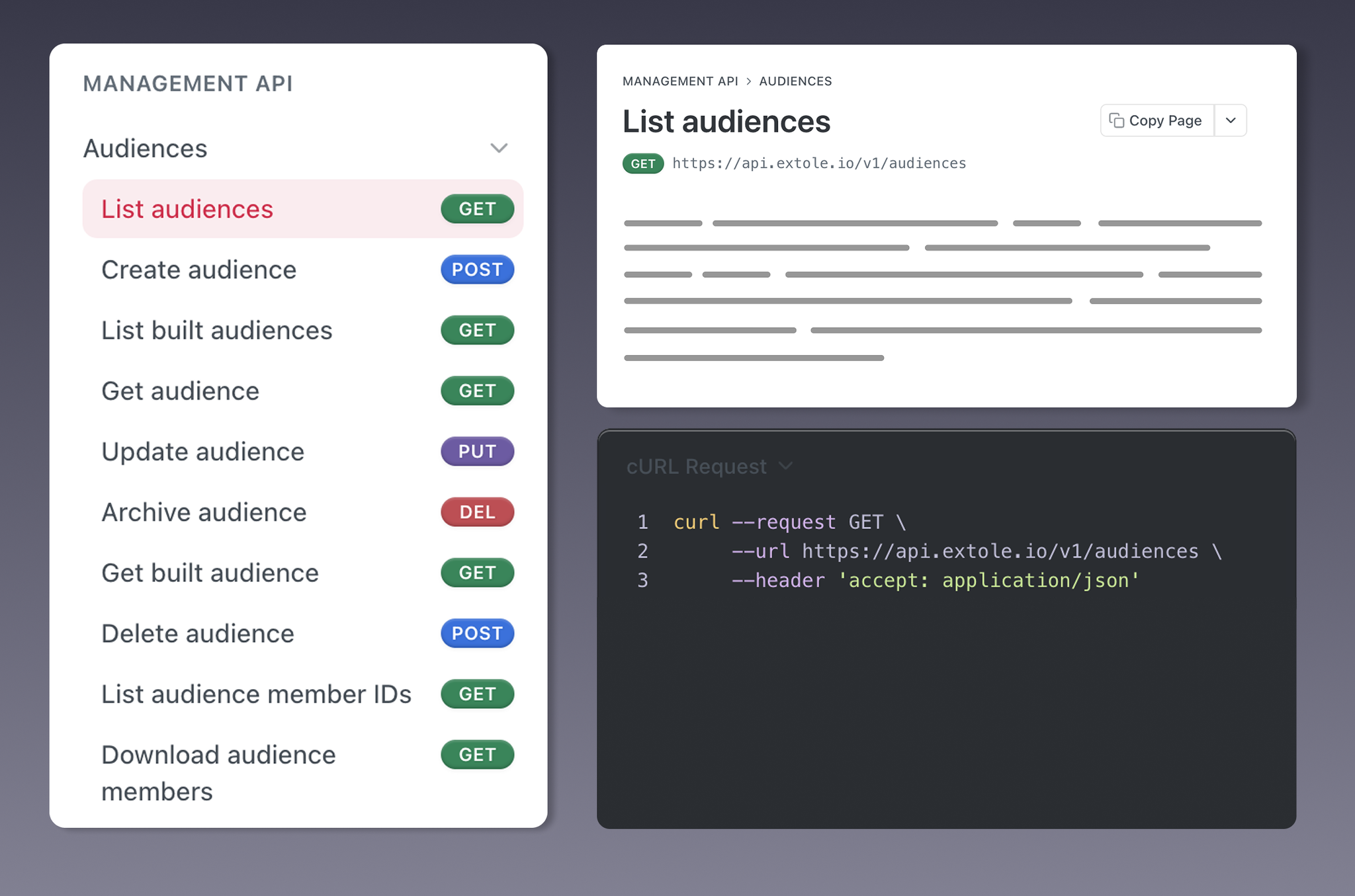
An offer program API is a programmatic interface that allows developers to build, manage, and automate customer offer and incentive programs directly within their own…
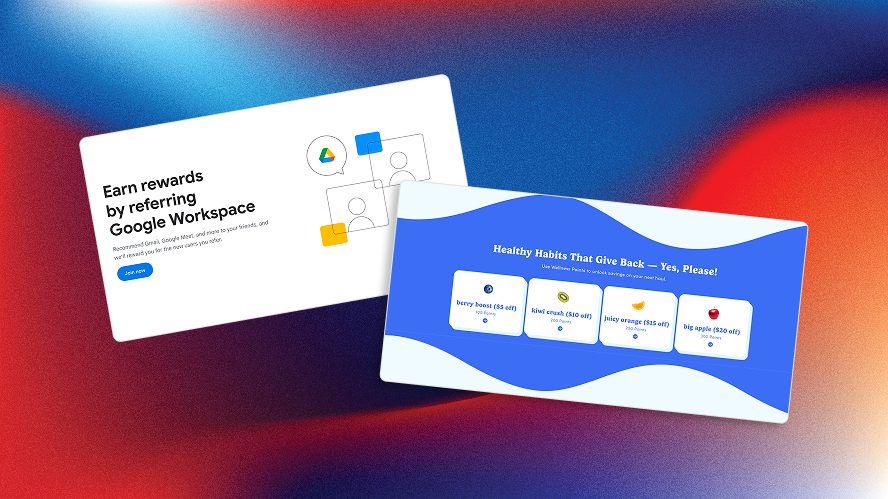
A well-designed referral page can turn a passive customer into an active advocate—and a curious visitor into a new customer. The difference between a referral program that…
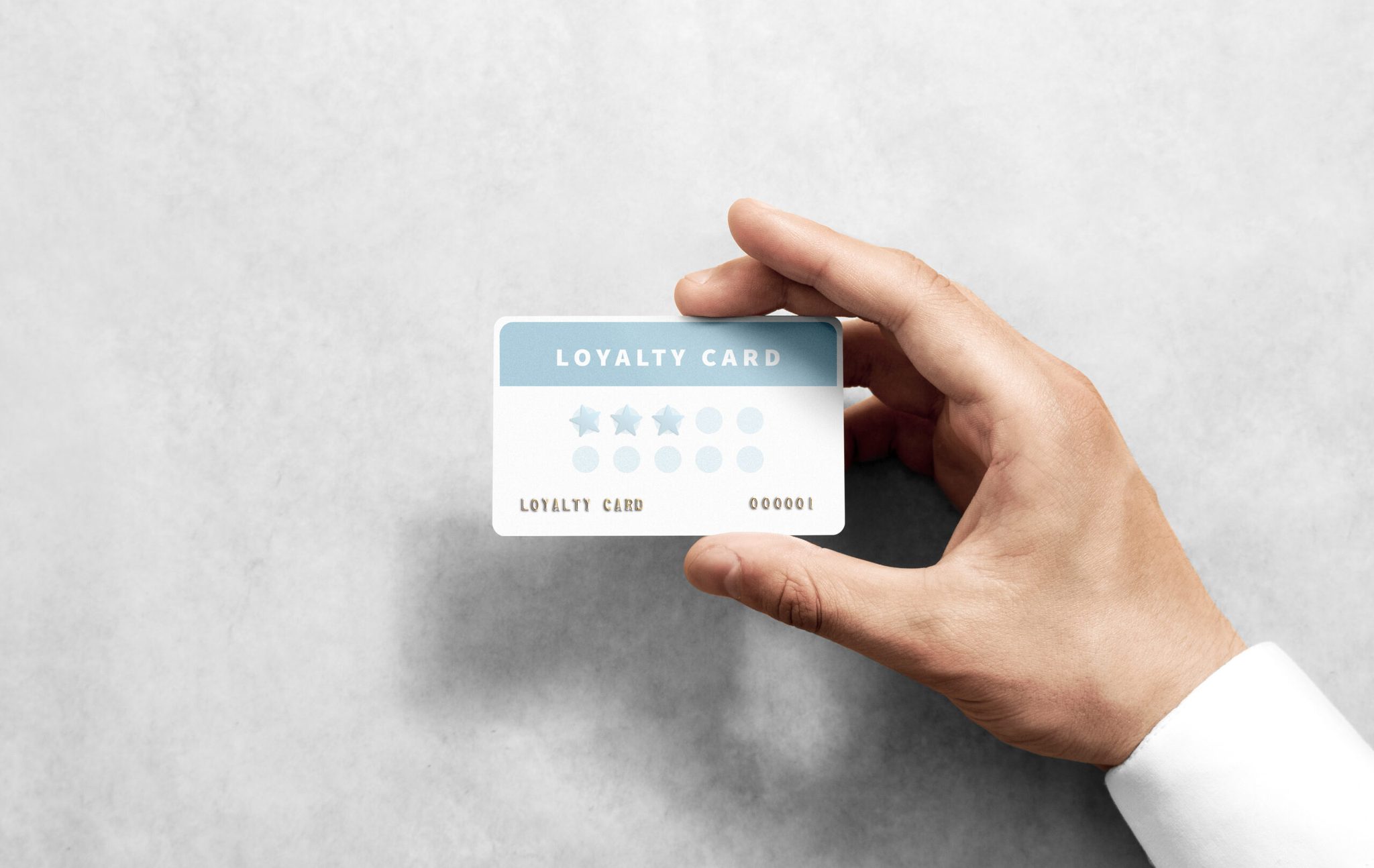
Loyalty management software automates the design, execution, and analysis of customer reward programs—tracking purchases, points, and VIP tiers across every channel where your…