Blog
Customer LoyaltyOffer Management
Best Loyalty Management Software for Enterprise Teams
Courtenay Roche

Products
Enterprise platform
Platform features
Acquisition programs
Retention programs
Learn
Resources
Developers
Documentation
SDKs & GitHub
Blog
Courtenay Roche
Loyalty management software automates the design, execution, and analysis of customer reward programs—tracking purchases, points, and VIP tiers across every channel where your customers engage. For enterprise teams, the right platform replaces manual tracking with infrastructure that scales to millions of customers while keeping program integrity intact. This guide covers the key features to evaluate, compares the top enterprise platforms, and walks through a framework for choosing the right loyalty management software for your business.
Loyalty management software automates customer reward programs by tracking purchases, points, and VIP tiers across every channel where customers engage. At its core, the software handles program design, configuration, execution, and analysis, connecting online checkouts, mobile apps, and in-store POS systems into one unified experience. For enterprise teams, this means replacing manual tracking with a system that scales to millions of customers while keeping program integrity intact.
Enterprise loyalty platforms share a core set of capabilities, though the depth and flexibility of each feature varies across vendors. Here's what to look for.
A rewards engine determines how customers earn and redeem value. The most flexible platforms support multiple reward types, from discounts and free products to exclusive experiences, charitable donations, or account credits. Points management goes beyond simple accumulation. Look for platforms that allow you to configure expiration rules, bonus multipliers, and redemption thresholds without waiting on engineering support.
Tier structures create aspirational goals that keep customers engaged over time. Customers progress through VIP statuses based on spend, engagement frequency, or specific behaviors you define. The best platforms make tier management dynamic, so you can adjust qualification thresholds and tier benefits as your program matures.
Points for purchases are table stakes. Enterprise programs often reward a broader range of behaviors:
Configurable earning rules let you incentivize the specific actions that drive business value.
Segmentation allows you to target specific customer groups with tailored offers based on behavior, preferences, purchase history, or demographics. A first-time buyer might see a welcome bonus, while a lapsed customer receives a re-engagement offer. This level of personalization typically requires integration with your existing customer data sources.
Customers expect their rewards to work everywhere they shop. Omnichannel delivery syncs points and redemptions across your website, mobile app, and physical locations. Digital wallet compatibility with Apple Wallet and Google Pay makes it easy for customers to access rewards without downloading another app or remembering another login.
Enterprise programs face real financial risk from fraud and abuse. Built-in fraud controls protect your incentive spend by flagging suspicious redemptions, preventing duplicate rewards, and ensuring only legitimate actions trigger payouts. Platforms like Extole treat fraud prevention as core infrastructure, with automated detection and manual review workflows for edge cases.
You can't optimize what you can't measure. Look for dashboards that track program ROI, customer lifetime value impact, redemption rates, and segment-level performance. The most useful reporting connects loyalty data to broader business outcomes, showing how program participation correlates with retention and revenue.
Enterprise loyalty programs don't exist in isolation. Your platform connects with Salesforce, marketing automation tools, commerce systems, data warehouses, and messaging platforms. API-first architecture makes integrations more flexible and maintainable over time, especially as your tech stack evolves.
The business case for loyalty software centers on a few key outcomes:
The enterprise loyalty market includes several established players, each with distinct strengths.
Extole combines loyalty, referral, and offer management in a single platform built for enterprise teams. The platform emphasizes trusted offer delivery infrastructure, handling eligibility, reward authorization, fraud prevention, and fulfillment so your team can focus on program design. Extole's developer-ready APIs and configurable program architecture make it a strong fit for teams that want flexibility without rebuilding incentive infrastructure from scratch.
For enterprises already invested in the Salesforce ecosystem, Salesforce Loyalty Management offers tight CRM integration and unified customer data. The platform excels at omnichannel program management and benefits from Salesforce's broader marketing cloud capabilities.
Yotpo positions itself as a retention marketing platform, combining loyalty with reviews, SMS, and referrals. It's particularly popular among Shopify merchants and ecommerce brands looking for quick implementation.
Talon.One is an API-first promotion engine with MACH certification, making it attractive for teams with strong technical resources. The platform offers deep flexibility for custom rule engines and promotional logic.
Annex Cloud focuses on enterprise loyalty experience, with particular strength in retail. The platform supports a broad range of program types and emphasizes customer engagement beyond transactions.
Open Loyalty offers API-first, headless loyalty infrastructure with a focus on gamification. It's designed for brands that want to build custom loyalty experiences on top of flexible building blocks.
Voucherify combines promotion and loyalty capabilities with strong coupon and incentive management. The platform appeals to API-first teams that want granular control over promotional logic.
| Antavo positions itself as an AI-powered loyalty cloud with strength in experiential and emotional loyalty programs. The platform emphasizes engagement mechanics beyond traditional points-based rewards. Platform | Best For | Key Differentiator |
|---|---|---|
| Extole | Enterprise teams needing loyalty + referral + offers | Trusted offer delivery with fraud prevention |
| Salesforce | Salesforce ecosystem customers | Unified CRM and loyalty data |
| Yotpo | Ecommerce and Shopify brands | Combined loyalty, reviews, and referrals |
| Talon.One | Technical teams needing flexibility | API-first promotion engine |
| Annex Cloud | Retail enterprises | Broad loyalty experience capabilities |
| Open Loyalty | Headless implementations | API-first gamification focus |
| Voucherify | Promotion-heavy programs | Coupon and incentive management |
| Antavo | Experiential loyalty | AI-powered emotional engagement |
Modern platforms increasingly unify loyalty, referral, and offer capabilities rather than treating them as separate programs.
When these programs share infrastructure, you get a complete view of customer engagement. Customers get a seamless experience rather than disconnected promotions.
Choosing the right platform requires a structured evaluation process. Here's a framework that works well for enterprise buyers.
Start with business objectives. Are you focused on retention, acquisition, engagement, or all three? Identify the KPIs you'll use to measure success before evaluating features.
Audit your existing tech stack. The platform you choose connects with your CRM, CDP, commerce system, POS, and messaging platforms without creating data silos.
Evaluate the types of rewards supported and the depth of fraud prevention capabilities. Enterprise programs require protection at scale.
Check for enterprise security standards, data privacy compliance (GDPR, CCPA), and audit trail capabilities. You'll want a complete record of program changes and reward issuance.
Understand the pricing model and what's included in implementation support. Confirm that the platform scales with your program growth.
For enterprise teams, security and compliance are requirements, not optional features.
While loyalty programs work across sectors, certain industries see particularly strong results.
Points-based programs, tiered rewards, and purchase frequency incentives drive repeat purchases. Omnichannel redemption creates a seamless customer experience across online and in-store.
Account opening bonuses, referral rewards, and engagement programs embedded in digital banking experiences help financial institutions acquire high-quality accounts and deepen relationships.
Customer retention programs, upsell incentives, and employee referral programs help telecom companies reduce churn and drive new business through existing relationships.
Tiered loyalty programs, experiential rewards, and booking incentives create emotional connections that keep travelers coming back.
Centralized program management with local flexibility ensures consistent rewards across locations while allowing regional customization.
The loyalty software market is shifting toward API-first platforms and AI-assisted program management.
Extole's approach reflects this balance: AI helps teams build and validate programs faster, while the platform handles trusted execution with the controls enterprise teams require.
Enterprise loyalty programs require more than a simple points system. They require configurable program architecture, fraud prevention, developer-ready infrastructure, and the ability to connect loyalty with referral and offer programs in a unified platform. Extole provides the trusted offer delivery infrastructure that lets enterprise teams build sophisticated programs without rebuilding the underlying systems for eligibility, rewards, fraud prevention, and fulfillment. Request a Demo
No. CRM manages customer relationships and data broadly, while loyalty management software specifically handles reward program design, execution, and tracking. Many enterprises integrate both, using CRM for customer data and loyalty software for program operations.
Pricing varies based on program complexity, transaction volume, and required integrations. Most enterprise platforms use custom pricing models rather than published rates. Requesting demos from your shortlisted vendors will give you accurate quotes.
Timeline depends on integration complexity and program design. Many platforms offer templates and guided setup to accelerate launch, with some programs going live in weeks. More complex implementations with deep integrations typically take longer.
Yes. Many enterprise platforms support partner, employee, and channel loyalty programs alongside consumer-facing programs, often with different reward structures and eligibility rules tailored to each audience.
Loyalty software focuses on rewarding repeat customer behavior, while referral software incentivizes customers to recommend new buyers. Leading platforms like Extole combine both capabilities in a unified offer management system.

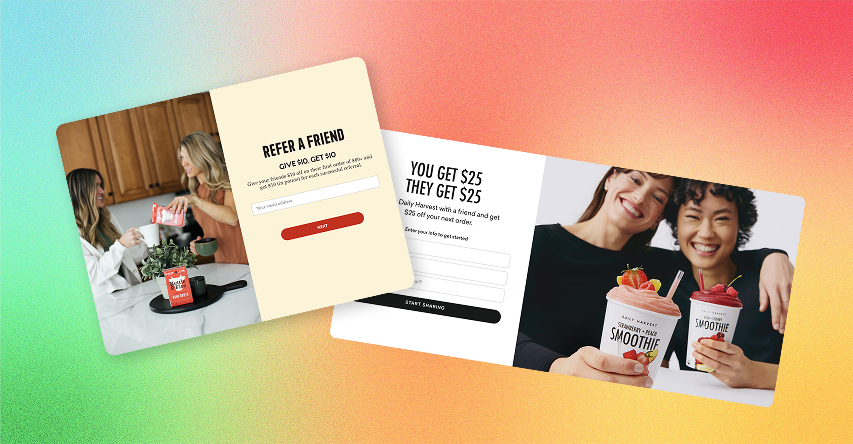
Your best customers already talk about your brand. A referral program gives them a reason to do it more often—and rewards them when those conversations turn into sales.

Credit unions face a familiar tension: compete with institutions that outspend you ten-to-one on advertising, or find smarter ways to grow. The good news is that credit unions…
Your best customers already talk about your brand. A referral program gives them a reason to do it more often—and rewards them when those conversations turn into sales.