Blog
Customer AcquisitionCustomer Engagement
Customer Incentive Software: How to Choose the Right Platform
Courtenay Roche


Products
Enterprise platform
Platform features
Acquisition programs
Retention programs
Learn
Resources
Developers
Documentation
SDKs & GitHub
Blog
Courtenay Roche
Customer incentive software helps brands create, manage, and deliver rewards that motivate specific customer behaviors—from referrals and repeat purchases to sign-ups and reviews. It's the infrastructure layer that determines who qualifies for an offer, what they receive, and how that reward gets fulfilled. Choosing the right platform matters because incentive programs touch acquisition, retention, and customer experience simultaneously. This guide covers what to look for, how to evaluate your options, and what separates configurable enterprise platforms from basic template tools.
Customer incentive software is a platform that helps brands create, deliver, and manage rewards designed to motivate specific customer actions. Think of it as the operational backbone behind any program where customers earn something in exchange for doing something—whether that's making a purchase, referring a friend, signing up for an account, or completing a survey. What sets modern incentive software apart from basic coupon tools or standalone loyalty apps is scope. Rather than managing separate systems for referrals, promotions, and rewards, a single offer management platform handles all of it. The software determines who qualifies for an offer, what reward they receive, and how that reward gets delivered—all based on rules you define. The core functions typically include:
The practical value comes down to turning customer motivation into something you can actually measure and optimize. When incentives live in a centralized platform rather than scattered across spreadsheets and disconnected tools, teams gain visibility into what's working.
The best platforms support multiple program types from the same infrastructure. This flexibility matters because different customer moments call for different approaches.
Customers share personalized links with friends, and both parties earn rewards when the friend converts. Two-sided incentives—where both the advocate and the new customer receive value—increase referral participation by 29% because everyone benefits.
Points-based or tiered programs reward repeat purchases and ongoing engagement. The key is flexibility in how customers earn and redeem, which keeps the program interesting over time.
First-purchase discounts or sign-up bonuses convert new visitors into customers. These work especially well when personalized based on how someone discovered your brand or what they're interested in.
Time-limited campaigns tied to events, holidays, or inventory goals create urgency. The value here is being able to launch and track these quickly without heavy technical lift.
Programs for brand advocates, influencers, or VIP customers who promote your brand in exchange for exclusive rewards. Advocates often drive higher-quality referrals than paid acquisition channels because their recommendations carry personal credibility.
Incentives for non-purchase behaviors like leaving reviews, completing surveys, or downloading an app. These programs help capture valuable customer data while building engagement beyond transactions.
Not every platform offers the same depth of functionality. When evaluating options, the features that matter most depend on how complex your programs will become as they scale.
Rigid templates limit what you can do. Look for platforms that let you define custom rules for reward types, values, and conditions—whether that's percentage discounts, fixed credits, gift cards, or something unique to your business model.
The ability to target offers by customer attributes, purchase history, or behavior makes incentives feel relevant. A first-time visitor and a loyal customer probably warrant different offers, and the platform handles that logic.
Platforms that trigger offers based on specific customer actions—purchases, sign-ups, milestones, or custom events—give you more control over timing. This is how you deliver the right offer at the right moment rather than blasting the same promotion to everyone.
Built-in controls verify eligibility, prevent abuse, and authorize rewards before fulfillment. This becomes increasingly important as programs scale and the financial stakes grow.
Dashboards that connect incentive programs to revenue and customer outcomes help you understand what's actually driving results. Look for platforms that go beyond surface metrics to show business impact.
| Technical teams increasingly want programmatic access to build incentives directly into products and workflows. API-first architecture makes platforms easier to extend, and AI-readiness—including support for tools like MCP access—enables modern automation. Feature | Template-based tools | Configurable incentive platforms |
|---|---|---|
| Program types supported | Limited (e.g., referral only) | Multiple (referral, loyalty, promotions, etc.) |
| Reward logic flexibility | Pre-set options | Custom rules and conditions |
| Audience targeting | Basic segments | Behavior and event-based personalization |
| Developer access | Limited or none | APIs, SDKs, CLI, AI-readable docs |
| Fraud controls | Basic | Enterprise-grade verification and authorization |
Selecting a platform involves more than comparing feature lists. A structured evaluation process helps teams make confident decisions and avoid surprises after implementation.
Start by identifying which behaviors you want to incentivize and where incentives fit in the customer lifecycle. Are you focused on acquisition, activation, retention, or all three? This clarity shapes every other decision.
List the systems the platform will connect to: CRM, CDP, ecommerce, mobile app, payment processors, and messaging tools. Integration depth often determines how personalized and automated your programs can become.
Test whether the platform can support your specific eligibility rules, reward types, and program logic without custom development. Ask vendors to demonstrate scenarios that match your actual use cases, not just generic examples.
Assess enterprise requirements like permissions, audit trails, and compliance certifications. For programs involving financial rewards, these controls are essential for protecting both the business and customers.
Run a small-scale program to validate ease of use, reporting accuracy, and reward fulfillment reliability. A pilot reveals operational realities that demos simply cannot show.
Enterprise teams typically require incentive software to work within an existing tech stack. The depth of available integrations often determines how much value you can extract from the platform over time. Key integration categories include:
Beyond integrations, enterprise requirements like SSO, SOC 2 compliance, GDPR support, and role-based permissions become critical as programs scale and more team members require access.
AI is changing both how programs get created and how they operate day-to-day. However, there's an important distinction between AI-assisted configuration and the deterministic execution required for trusted reward delivery.
The platforms best positioned for the future combine AI flexibility in the configuration layer with reliable, auditable execution underneath. AI can help create the program, but the delivery still requires precision.
Technical teams often debate whether to build incentive infrastructure in-house or buy a platform. The answer usually depends on how much complexity you're willing to maintain over time. Building from scratch requires creating and maintaining several interconnected systems:
Each component involves ongoing operational burden. Buying a configurable platform lets teams focus on customer experience and program strategy rather than rebuilding infrastructure that already exists elsewhere.
Tip: If your team is asking "we could build this ourselves, but is it worth it?"—that question often signals that a platform makes more sense. The hidden costs of maintaining incentive infrastructure typically exceed initial estimates.
Extole provides the trusted offer delivery infrastructure that enterprise brands rely on to run referral, loyalty, promotion, and lifecycle incentive programs at scale. The platform combines configurable program architecture with developer-ready APIs, AI accessibility, and enterprise-grade fraud prevention and governance. Rather than forcing programs into rigid templates, Extole gives teams the building blocks to create incentives that match how their business actually works. Then it handles the hard parts: eligibility, reward authorization, fulfillment, and auditability. Request a Demo
Customer incentive software is a broader category that supports multiple program types—including loyalty, referral, promotions, and reward-for-action programs—from a single platform, rather than requiring separate tools for each.
Pricing varies based on program complexity, transaction volume, and required integrations. Most enterprise platforms use custom pricing based on business requirements rather than flat monthly fees.
Implementation timelines range from a few weeks for standard programs to several months for complex enterprise deployments with custom integrations and multiple program types.
Yes, enterprise-grade platforms include fraud prevention controls such as eligibility verification, reward authorization workflows, velocity checks, and audit trails to protect incentive spend.
Most platforms offer integrations with CRM, CDP, ecommerce, messaging, and analytics tools through APIs, pre-built connectors, or partner integrations to unify customer data across systems.

Repeat customers drive profitability. According to research from Bain & Company, increasing customer retention by just 5% can boost profits by 25% to 95%—yet most ecommerce…

A digital rewards platform is software that enables businesses to create, manage, and deliver electronic incentives—like e-gift cards, cashback, points, and discount…
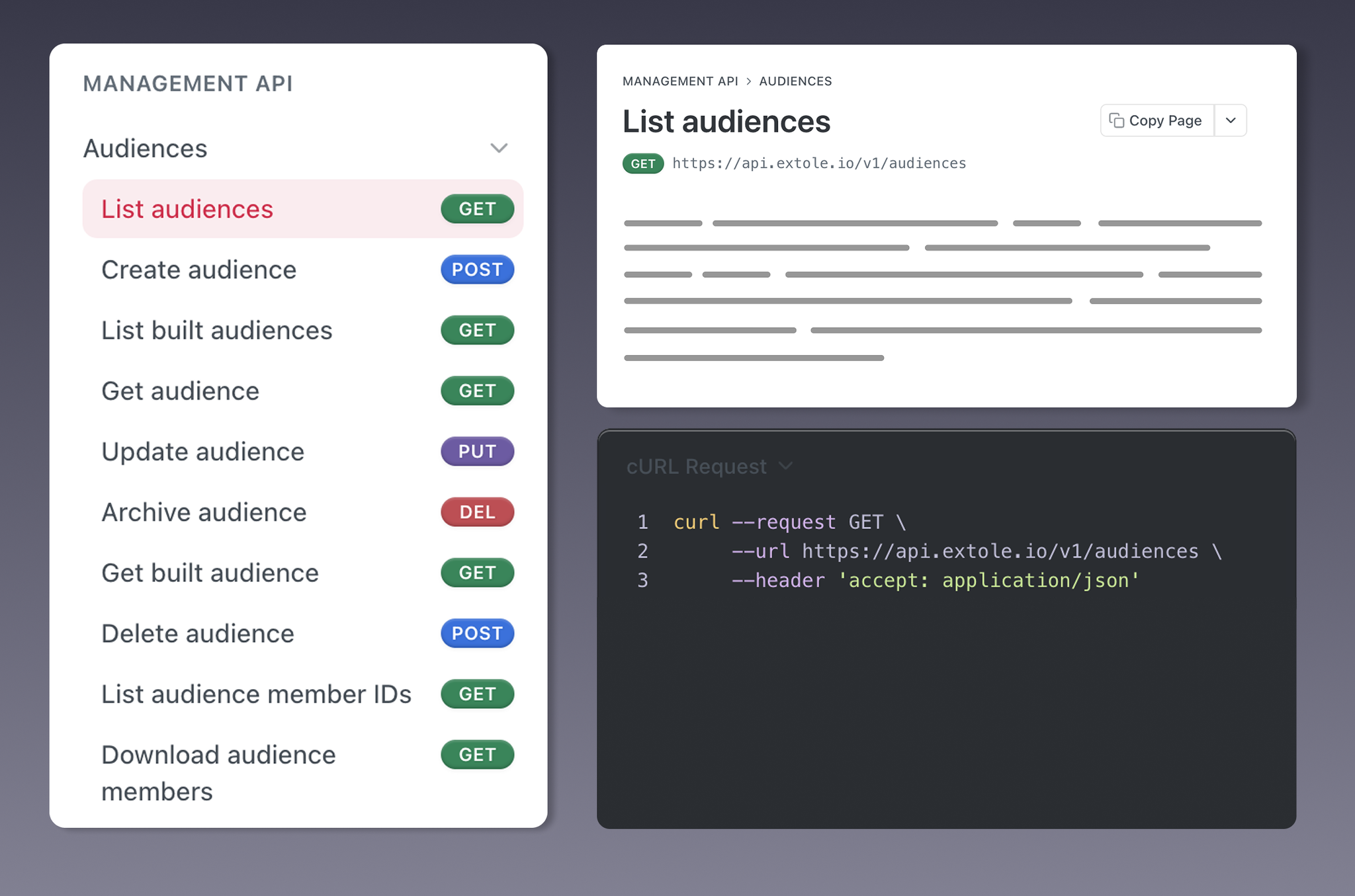
An offer program API is a programmatic interface that allows developers to build, manage, and automate customer offer and incentive programs directly within their own…